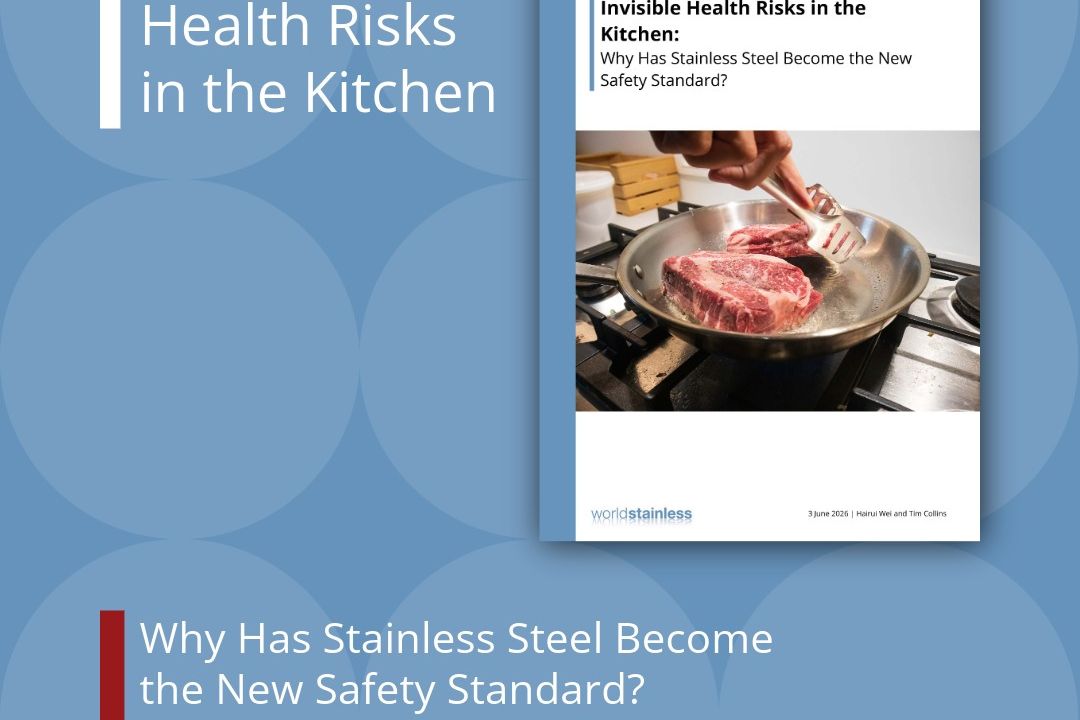
A newly released white paper is drawing attention to potential health and safety concerns associated with commonly used kitchenware materials, while advocating stainless steel as a durable and scientifically supported alternative for modern kitchens. Published ahead of World Food Safety Day on June 7, the report calls for increased consumer awareness and stronger standards governing food-contact materials.
Titled “Invisible Health Risks in the Kitchen: Why Has Stainless Steel Become the New Safety Standard,” the study examines the performance of various cookware and kitchenware materials under typical household cooking conditions. The report evaluates how these materials interact with food and identifies potential risks that may arise during regular use.
According to the findings, plastic kitchenware can release substances such as plasticisers, bisphenol A (BPA), and microplastics when exposed to elevated temperatures. The report notes that such releases may occur at temperatures as low as 70 degrees Celsius. It also raises concerns about lower-quality plastic products that may contain recycled materials carrying unknown contaminants.
The white paper further examines PTFE-coated non-stick cookware, stating that coatings can begin to break down at temperatures around 260 degrees Celsius. This process may release fumes and PFAS-related compounds, a group of chemicals that have attracted growing scrutiny due to their environmental persistence and potential health implications.
Ceramic cookware is also discussed in the report. While widely regarded as a safe option, the study notes that risks can emerge when glazes contain heavy metals such as lead or cadmium. Over time, these substances may migrate into food under certain conditions, particularly if product quality standards are inconsistent.
Beyond material-specific concerns, the report highlights a broader information gap in the marketplace. It suggests that many consumers remain unaware of the differences between kitchenware materials and the implications these differences may have for food safety, durability and environmental sustainability.
The study identifies stainless steel as a material that combines strength, heat resistance and recyclability. It points to the naturally occurring passive protective layer on stainless steel surfaces, which helps resist corrosion and minimizes the transfer of metal ions into food. The report also emphasizes the long service life of stainless steel products and their ability to be recycled at the end of use, supporting circular economy goals.
The white paper calls on manufacturers, regulators and industry stakeholders to strengthen food-contact material standards, improve supply-chain transparency and promote consumer education. Published by World Stainless, the report is available for public access and aims to encourage informed choices that support both food safety and environmental responsibility.