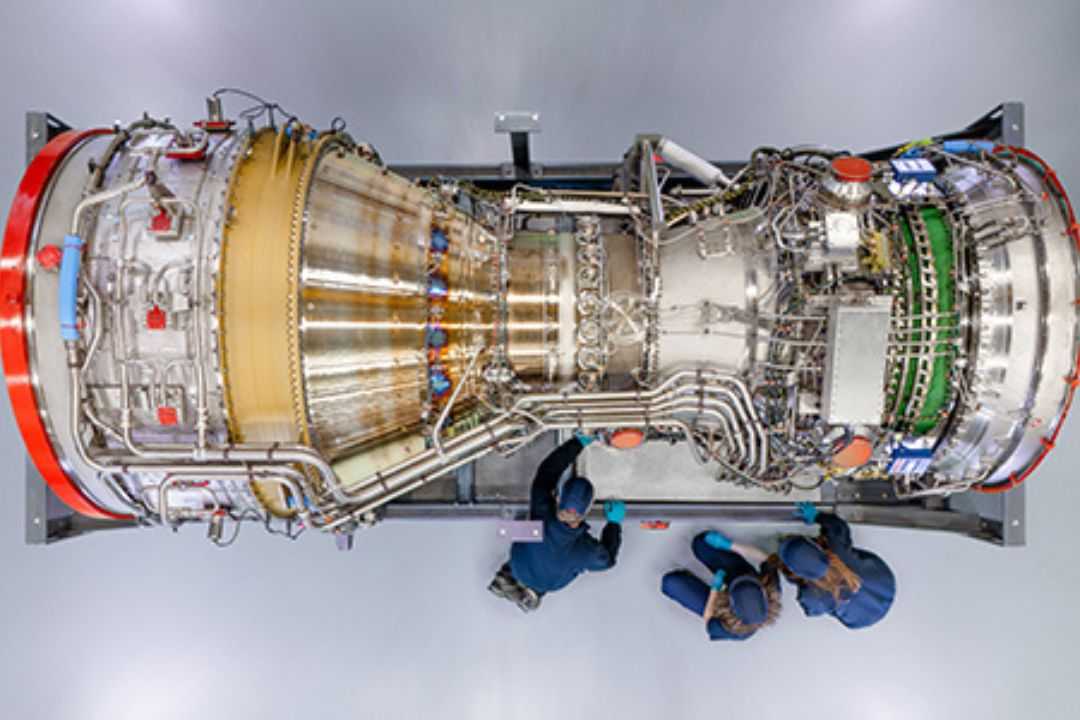
The UK Government and Rolls-Royce have announced plans for a 10-year, £2.5 billion research and technology programme to develop gas turbine technologies for civil and defence aerospace. The proposed programme aims to support more efficient, lower-emission jet engines and strengthen the UK’s advanced manufacturing capabilities.
A key objective is to position Rolls-Royce to compete for an engine programme for the next generation of narrowbody, or single-aisle, commercial aircraft. These aircraft are expected to enter service in the mid-to-late 2030s, with manufacturers anticipated to select engine partners over the coming years. The proposed work would include an engine demonstrator project and sustain important development and testing capabilities for defence aerospace.
The UK Government’s Industrial Strategy identifies the narrowbody market as a major long-term growth opportunity for the aerospace sector. According to the programme’s projections, securing an engine position could add £120 billion to the UK economy over its lifetime and attract further investment over several decades.
Tufan Erginbilgic, Chief Executive Officer of Rolls-Royce, said the programme could support long-term economic growth, skilled employment and the country’s advanced manufacturing supply chain. He also highlighted its importance in maintaining the UK’s ability to design, develop, manufacture and service jet engines for commercial and military aircraft.
The initial stages of the plan, subject to a final agreement, are expected to support 3,300 jobs at Rolls-Royce and its supply chain partners by the end of 2029. If the company secures an engine position on future narrowbody aircraft, the programme could create tens of thousands of additional jobs.
Rolls-Royce and the Government plan to work on a jobs and skills development programme to prepare the workforce required for future production. The research investment is also expected to benefit universities and academic departments undertaking related studies.
If its engine technology is selected by aircraft manufacturers, Rolls-Royce intends to establish new assembly and testing facilities in the UK and expand advanced manufacturing capacity. Planned components include high-pressure turbine blades and advanced composite fan blades. The company and the Government also intend to work with domestic suppliers to increase participation in the programme.
Rolls-Royce said it expects to invest significantly more than the Government across the proposed narrowbody programme. The company is one of three global manufacturers with the end-to-end capabilities required to design, manufacture and service such engines.
Rolls-Royce supports more than 73,000 UK jobs, including 23,000 at its own 37 sites. It spends more than £2 billion with over 1,350 British suppliers and reports a £7.4 billion economic contribution from its operations, alongside £4.4 billion in research and development spillover effects. Around 80% of its UK production is exported.