When a company opens a second plant, or a production manager hears that a sister factory is running well on a particular hot-melt adhesive, the obvious move is to order the same grade and expect the same result. It looks the same on paper. In practice, copying a grade from one line to another is one of the more common reasons for unexplained bond failures and extra downtime on a new line.
The reason is simple: a hot melt performs as part of a system that includes the substrate, the application equipment, the line speed, the compression step and the environment around the line. Change any of these, and the same adhesive can behave very differently, on an edgebander or an assembly station as much as on a case sealer.
The adhesive is only one part of the bond
A hot melt is applied molten, wets the substrate, and then sets as it cools. Open time is how long it stays able to wet the second surface after it is applied. Set time is how quickly it builds enough strength for the part to leave compression. Both depend on heat, so a grade with the right open time on one line can be too short where the gap to compression is longer, or too long on a faster line where parts leave the pressure section before the bond has set.

Published data sheets make the point clearly, but the numbers are not universal. A typical packaging-grade EVA hot melt for automatic carton sealing is listed with a service (application) temperature of 160–170 °C, a melt viscosity of 1,000 ± 300 mPa·s measured at 180 °C, a softening point of 110 ± 5 °C, and an open time of less than two seconds. A packaging-assembly EVA glue stick from the same chemistry family, applied from a dedicated melt tank or a hand gun, is listed with a tank temperature of 140–160 °C, a melt viscosity of 7,000 ± 1,000 mPa·s at the same 180 °C test temperature, a softening point of 80 ± 5 °C, and an open time of 40–50 seconds. In both cases, 180 °C is a laboratory test temperature for viscosity, not a machine set-point. Those figures describe the published grades under the supplier’s test methods, not a rule for every EVA hot melt.
Five differences that look small but are not
1. Line speed and the distance to compression. Two lines can run the same part at different speeds, and the distance from applicator to pressure zone is rarely identical. On a case sealer that is the gap from the gun to the compression belt; on an edgebander it is the distance from the glue roller or slot nozzle to the pressure rollers, together with feed speed. The adhesive cares about those seconds of open time and compression.
2. Substrate. Board, film, wood-based panels and edge materials vary by supplier even when sold under the same general description. Particleboard or MDF can differ in density and surface finish, and edge-band materials vary in their primer layer. A hot melt that wets one surface easily may struggle on another.
3. Ambient and substrate temperature, and humidity. A hall in the north of India and a hall in the south can sit in quite different temperature and humidity bands across the year. During the monsoon, moisture in the air and in stored panels or board can change wetting and cooling. In summer, a non-air-conditioned hall can keep the adhesive open longer than the same grade in a cooled building, and stock from a hot yard can enter the applicator warmer than material held beside the line. Cold substrate after overnight storage in an unheated warehouse shortens open time and is a frequent cause of seasonal “cold bonds” that look fine at the machine but fail later.
4. Application equipment and settings. A datasheet service temperature is a starting range, not a complete machine recipe. Melter tank, hose and gun or nozzle temperatures are often set independently, and a few degrees of difference at the gun can change how hot the adhesive is when it lands. Nozzle diameter and pattern, bead, dot or spray, and pump or application pressure change how much adhesive is laid down and how quickly it cools. On an edgebander the equivalent variables are roller or slot-nozzle setting, coat weight and pressure-roller force. Different set temperatures, nozzles or pressures mean, in effect, a different adhesive.
5. End-use conditions. A package that goes into chilled storage, a shipment that crosses a hot region in a container, or furniture that will sit in a humid room all place different demands on the bond after it leaves the line.
What to record before copying a specification
A short record for each line is enough:
- Product and substrate details, including the supplier and any coating, primer or edging on the bonding area
- Line speed, time from application to compression, and time under compression (or edgebander feed speed and distance to the pressure zone)
- Application method, nozzle or roller size, bead or coat pattern, pump or application pressure, and tank, hose and gun temperatures, recorded separately
- Typical ambient temperature and humidity on the line, by season, including monsoon and peak summer
- Storage condition of substrates before they reach the line
- End-use conditions: cold chain, heat, humidity, mechanical load
- The current failure mode, if any: adhesive failure, cohesive failure or fibre tear
If most of these match, copying the grade is a reasonable starting point; if several differ, treat it as a candidate to test. A softening-point figure is useful context, not proof that the bond will survive the second plant’s process.
How to run a fair trial
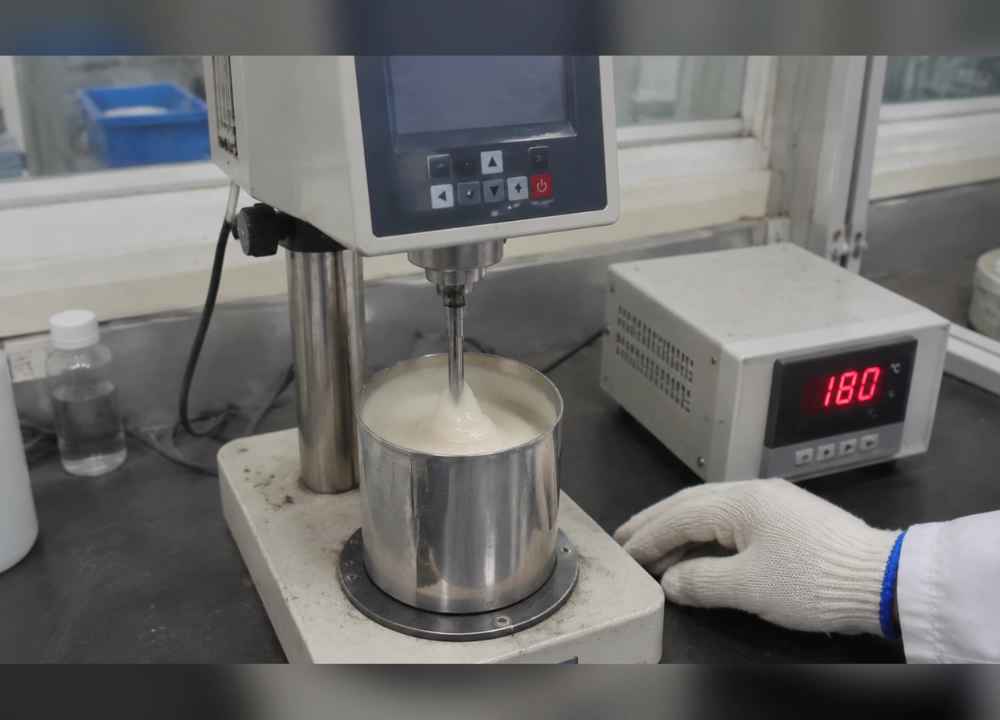
Run the candidate grade at the plant’s normal speed, with actual substrates, at the tank, hose and gun temperatures the line actually uses. Check bonds at the machine, after cooling, and after the conditions the product will see in use. Inspect the failure mode: fibre tear on a paper or wood-fibre surface is usually a good sign; a clean, shiny adhesive surface points to poor wetting. Repeat the check when seasons change, including the monsoon and peak summer, or when a substrate supplier changes, and share the line record with the adhesive supplier rather than only the grade name used elsewhere.
Conclusion
Standardising on one adhesive across plants can work when the lines are genuinely alike. But the grade name is not the specification. The real specification is the combination of adhesive, substrate, equipment, speed and environment. Recording those conditions before copying a grade, and running a short trial on the new line, costs far less than chasing failures once production has started.