Peregrine Hydrogen and Tasmania Energy Metals have signed a Letter of Intent to jointly explore the integration of Peregrine’s proprietary electrolyzer technology within a proposed nickel processing facility at Bell Bay, Tasmania. The collaboration would see Peregrine’s system co-located at the plant Tasmetals is developing, creating a combined production pathway for clean hydrogen and sulfuric acid.
Peregrine’s electrolyzer technology simultaneously produces hydrogen and sulfuric acid, offering a strategic advantage for nickel processing operations. For Tasmania Energy Metals, the arrangement would provide a reliable, on-site supply of sulfuric acid—a critical input for nickel extraction—while also generating clean hydrogen that could be used for green iron production and other industrial applications in the region. The integrated approach supports a more circular and resource-efficient industrial model.
Friðrik Lárusson, Chief Executive Officer of Peregrine Hydrogen, said the partnership demonstrates how dual-output technology can unlock value in emissions-intensive industries. He noted that by converting a required chemical input into a source of clean hydrogen, the collaboration has the potential to reduce emissions not only in nickel processing but across the broader regional industrial ecosystem.
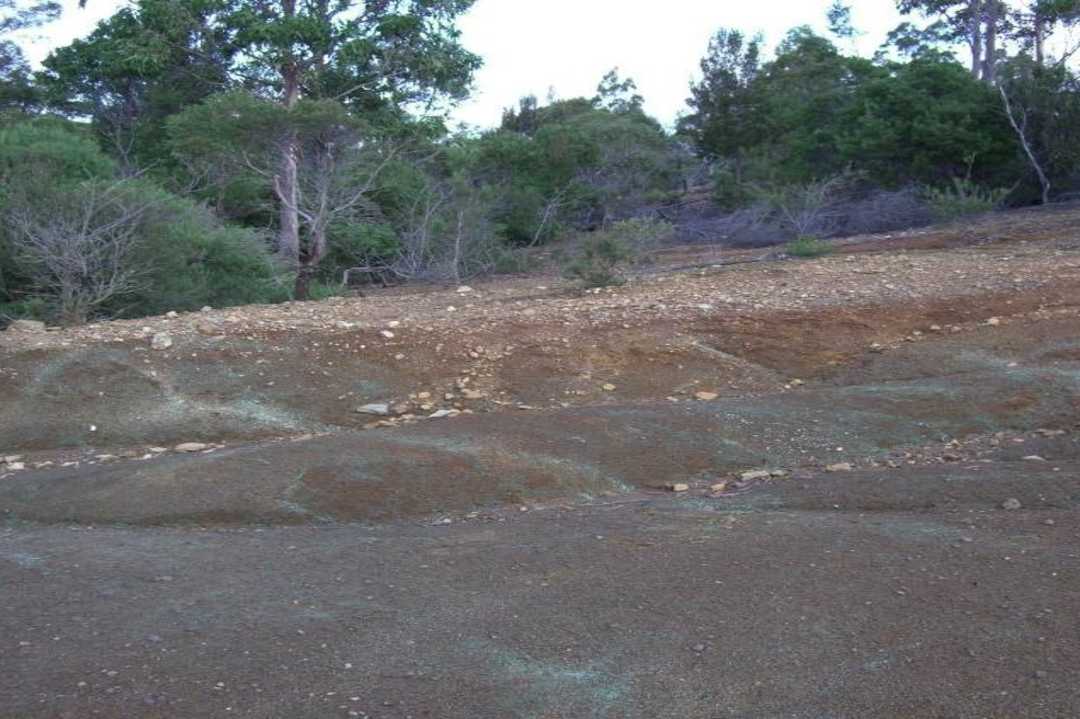
The proposed facility would process ore from Tasmania Energy Metals’ Barnes Hill project, which contains battery-critical metals including nickel, cobalt, and manganese, as well as magnetite iron ore. Peregrine’s model addresses one of the key challenges of green hydrogen deployment—cost—by monetizing the co-produced sulfuric acid, enabling hydrogen production at competitive rates.
Pierre Richard, CEO of Tasmania Energy Metals, said the technology aligns well with the company’s integrated processing strategy for Bell Bay. He highlighted the benefits of reduced operating costs through local acid supply and the opportunity to maximize resource utilization through hydrogen-enabled green iron production. The collaboration reflects a shared focus on developing low-carbon processing solutions that support Australia’s clean energy and advanced manufacturing ambitions.
Peregrine Hydrogen is a climate technology company based in Santa Cruz, California that is redefining how clean hydrogen is produced. Rather than traditional water electrolysis that generates hydrogen and oxygen, Peregrine’s proprietary technology co-produces hydrogen alongside valuable industrial chemicals like sulfuric acid, reducing energy consumption and lowering production costs compared with conventional green hydrogen methods.
This approach not only aims to cut the greenhouse gas footprint of hydrogen generation but also creates additional revenue streams by supplying both hydrogen and co-products to industrial markets, such as fertilizer manufacturers. The company has secured investor backing and partnerships to scale its technology and expand its market footprint in hard-to-decarbonize sectors.
Tasmania Energy Metals Pty Ltd is an Australian private mining company headquartered in Beaconsfield, Tasmania, focused on the development of low-carbon battery metals and related mineral resources. While detailed public information on the company’s specific projects is limited, it is active in Tasmania’s mining sector and has been associated with efforts to develop mineral processing facilities—including plans to potentially leverage clean hydrogen technologies for nickel processing at Bell Bay in collaboration with Peregrine Hydrogen. The firm appears to be part of the broader regional mining ecosystem that includes exploration and development of metals critical for energy storage and electrification.