India’s Aerospace, Drones and SpaceTech industry is expected to grow more than five times to reach USD 44 billion by 2033, generating over 200,000 new jobs, according to insights from Adecco India. The expansion is set to open wide-ranging opportunities for engineers, scientists, data specialists, and business professionals, while also creating demand for emerging roles such as space policy analysts, avionics experts, robotics engineers, and guidance, navigation and control specialists.
The sector’s momentum is being driven by progressive government reforms, increased private-sector participation, and growing international collaboration. With upcoming milestones such as the Gaganyaan crewed mission, India’s involvement in the Axiom-4 International Space Station programme, and plans for a domestic space station, talent requirements are expected to accelerate across the ecosystem, from ISRO to a rapidly expanding base of space technology startups.
Currently contributing around 2 percent of the global space economy, India has set a target of capturing 7 to 8 percent by 2033, including USD 11 billion in exports. Key enablers include the Indian Space Policy 2023, a community of more than 250 space startups, and a ₹1,000 crore venture capital fund established under IN-SPACe to stimulate innovation and private investment.
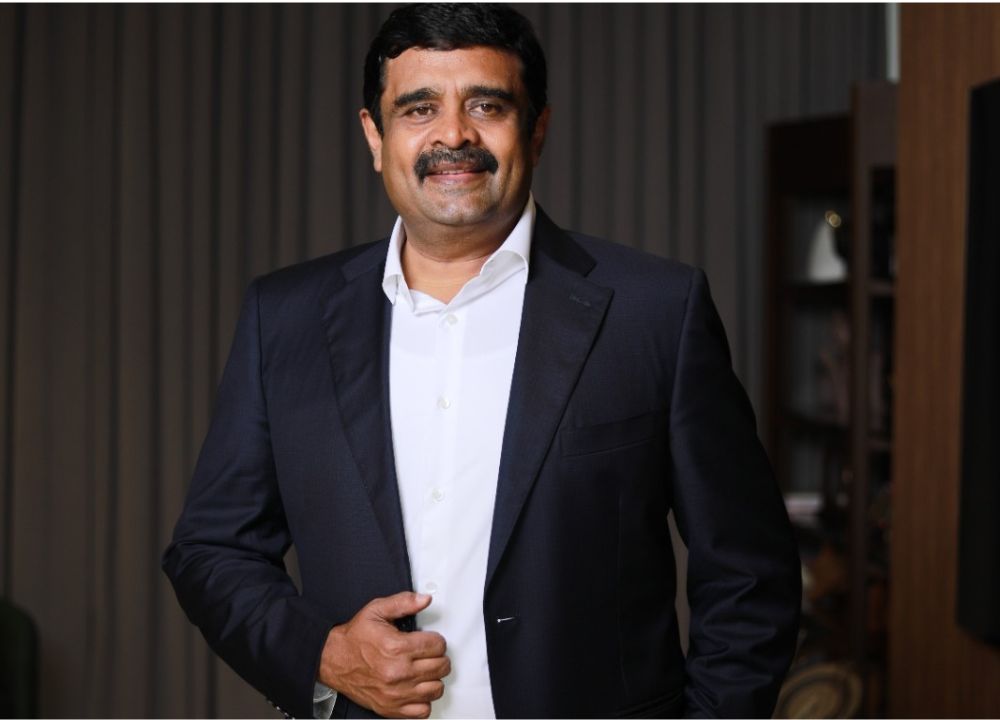
Deepesh Gupta, Director and Head of General Staffing at Adecco India, said the sector’s growth extends well beyond launch vehicles and satellites. He emphasized that it represents the development of an innovation-led economy and workforce, with strong demand expected across engineering, research, digital, and commercial functions. Regions such as Bengaluru, Hyderabad, Chennai, Pune, Ahmedabad, and Mumbai are projected to lead job creation, with specialized roles commanding salary premiums of 20 to 30 percent over comparable technical fields.
Compensation levels across the sector vary widely, with entry-level professionals earning approximately ₹6–8 lakh per annum, mid-level specialists ₹16–19 lakh, and niche experts in areas such as cryogenics, robotics, and space policy earning ₹25–30 lakh or more. Adecco also highlighted the importance of diversity initiatives, including government-led programs and private-sector participation, in building an inclusive space workforce and encouraging reverse migration of global Indian talent.
Beyond technical skills, future space professionals will require cross-disciplinary capabilities, including cybersecurity for satellite systems, sustainable manufacturing practices, AI governance, regulatory expertise, and human-centered design. Adecco said it remains committed to helping organizations bridge skill gaps and prepare the next generation for careers in space and advanced technology.