Alstom, a global leader in smart and sustainable mobility, has signed contracts worth more than £1 billion with TransPennine Express (TPE) for the supply and long-term maintenance of a new fleet of battery-electric trains. Designed and built in Britain, the new trains are set to transform rail travel across northern England and support the delivery of the Transpennine Route Upgrade (TRU).
The agreements include a rolling stock contract worth approximately £800 million for 29 five-car battery-electric multiple units (BEMUs), alongside maintenance contracts valued at around £200 million. The fleet is scheduled for delivery from 2032 and will support the continued decarbonisation of one of Britain’s key rail corridors.
The order marks the first deployment of Alstom’s Adessia Stream platform in the UK and will introduce Britain’s first mainline battery-electric train fleet. The trains are designed to combine high performance, operational flexibility and lower-emission rail travel on regional routes.
“This agreement is a landmark moment for Britain’s railway, and we couldn’t be prouder that the country’s first mainline battery-electric trains will be designed and built in Britain. The fleet will transform journeys across northern England while showcasing the very best of British engineering, innovation and advanced manufacturing,” said Rob Whyte, Managing Director UK at Alstom.
The investment will support more than 350 highly skilled jobs at Alstom’s Derby site and over 5,500 roles across its UK supply chain. Manufacturing is expected to begin in 2028, with at least £360 million of spending planned with British suppliers.
The 121-metre-long trains will operate at speeds of up to 110 mph and accommodate around 300 passengers, including a First Class area with catering facilities. Passenger amenities will include Wi-Fi, air conditioning, power and USB-C charging at every seat, enhanced luggage provision, real-time passenger information systems, CCTV, dedicated cycle storage and quieter interiors.
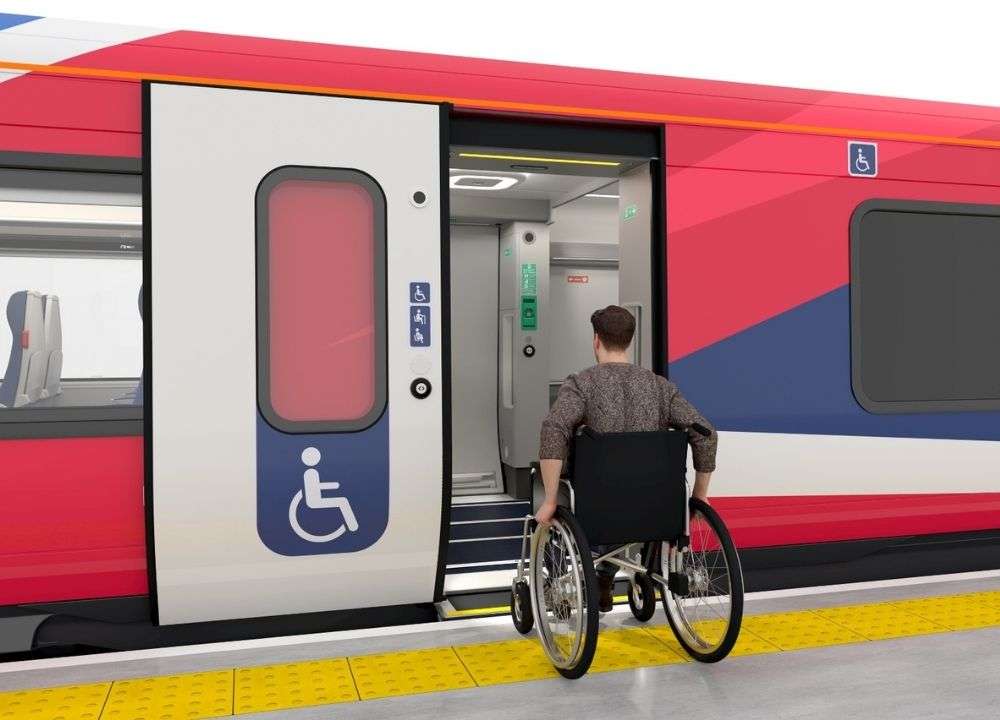
Level boarding at every door will improve accessibility while helping reduce station dwell times. Each train will also feature three dedicated wheelchair spaces, two accessible toilets, family-friendly areas and buggy storage.
The trains’ battery technology will enable emission-free operation on non-electrified sections of the network. Alstom will install charging infrastructure at Hull, Scarborough and Saltburn, marking a UK-first for mainline railway charging infrastructure and supporting TPE’s ambition for a fully decarbonised network.
“This is a transformational £1 billion investment in the future of rail travel across the North, delivering new trains for our customers as well as new infrastructure, new jobs and long-term economic benefits,” said Chris Jackson, Managing Director at TransPennine Express.
The maintenance contract will support more than 100 roles and run initially for eight years, with an option for a further eight-year extension. Alstom will also train around 40 apprentices and 40 T Level students during the contract, while its local engagement programme is expected to benefit more than 1,000 community members each year.
The trains will be designed, engineered, built and tested at Alstom’s Derby Litchurch Lane Works, the UK’s only end-to-end train factory. Funded by rail investor Rock Rail, the fleet will replace part of TPE’s existing Class 185 fleet and operate services linking Liverpool, Manchester, York, Hull, Scarborough and Saltburn.
The Adessia platform was developed for the UK following a three-year research programme backed by a £35 million investment. Building on Alstom’s Aventra platform, Adessia Stream combines flexible traction options with a lightweight design and level boarding, enabling unassisted boarding at 85% of existing UK railway station platforms.