

India’s aerospace ambitions have never been better funded. India’s aerospace parts manufacturing market, estimated at USD 13.6 billion in 2023, is projected to reach USD 21.48 billion by 2030, growing at a CAGR of 6.8%. India is increasingly establishing itself as a credible aerospace nation, a trajectory that would have seemed unlikely a decade ago. The story now is less about intent and more about execution: turning investment into programmes, and programmes into trust.
But infrastructure is not the same as indispensability. In global aerospace, that distinction matters. Many countries can build capacity; far fewer earn the kind of confidence where their engineers, quality professionals, and technical specialists are treated as hard to replace by the world’s most demanding Original Equipment Manufacturers (OEMs).
That difference comes down to qualification: the rigorous way aerospace products and professionals are validated against international standards for safety, performance, and reliability. Mastering this discipline is how India can turn capacity into enduring relevance and deepen its global competitiveness.
Stepping Up to Global Benchmarks
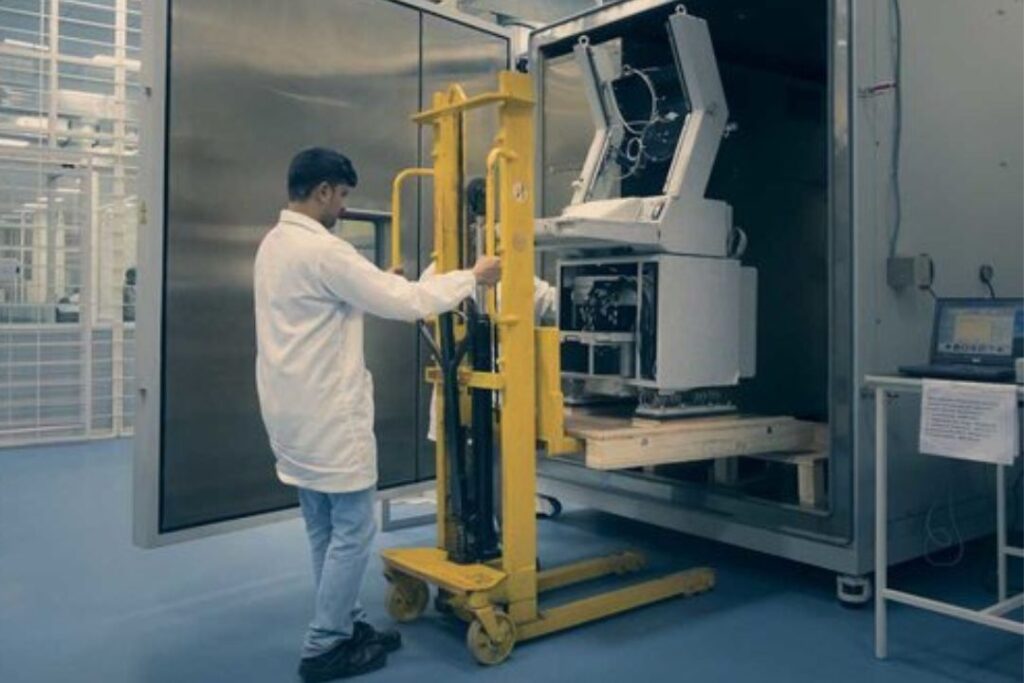
When global OEMs look at Indian partners today, the first question is rarely about square footage or the newest machine on the shopfloor. They ask whether the team understands the standards, carries the right certifications, and has the judgement to deliver consistent quality year after year on mission-critical programmes. In practice, building these credentials is not a quick win: supplier qualification, special-process approvals, and audit closure can take months, and in some cases more than a year, depending on the part’s criticality and the OEM’s requirements.
Several competencies that were once optional are now non-negotiable. Model-Based Systems Engineering, Digital Twin proficiency, advanced NDT disciplines (including phased-array ultrasonics and automated inspection systems), and material qualification have all shifted from specialised skills to baseline expectations on major programmes. A few years ago, these were differentiators; today, they are entry requirements.
Alongside technical credentials, operational qualifications now carry real weight. Post-COVID supply chain disruptions showed how some quality systems that looked robust on paper could struggle under real-world pressure. In response, OEMs raised expectations for supplier-side quality leadership. AS9100D Lead Auditor certification and Six Sigma Black Belt, once differentiators, are increasingly treated as table-stakes for quality-critical roles. The message from the OEM community is consistent: they want engineers who don’t just comply with standards, but can explain them, defend them, and sustain them when the programme is under stress.
According to a survey by PwC and CII, India provides cost savings of 15-25% in manufacturing activities, and an additional 10-20% through local sourcing of raw materials. However, industry leaders have noted that Indian aerospace firms are no longer just contract manufacturers; they are now seen as strategic partners capable of delivering high-quality products and services at scale. That transition, from cost provider to trusted partner, is built on individuals’ qualifications, not on the scale of facilities.
The Green Aviation Inflexion Point
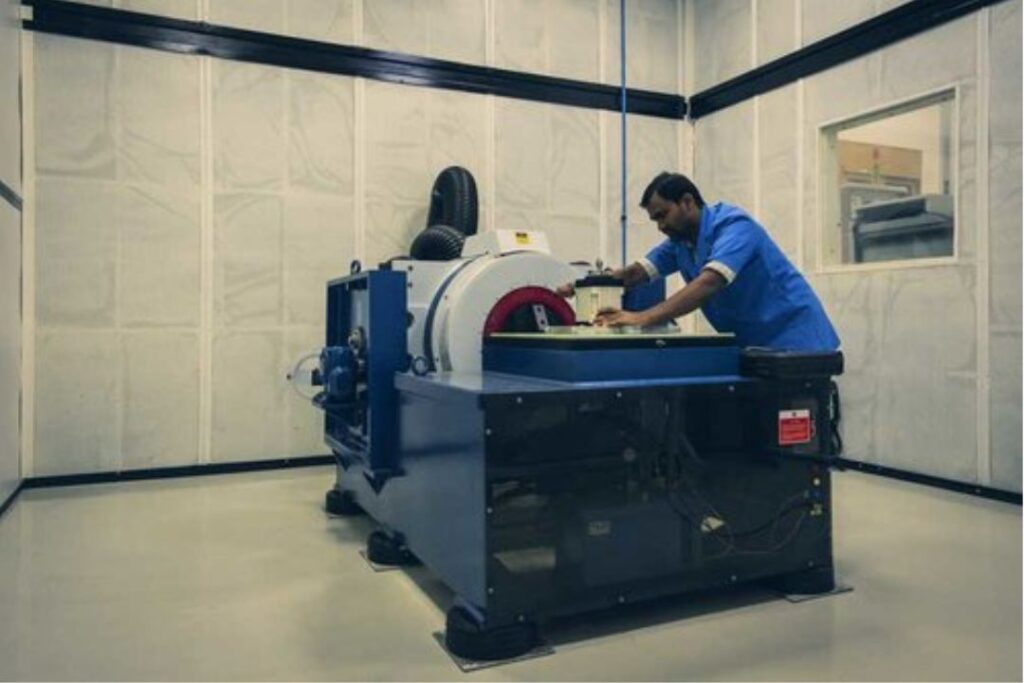
The next major qualification wave is arriving faster than many in India’s sector have anticipated, driven by the transition to sustainable aviation.
Sustainable Aviation Fuel has moved from research to operational imperative. Engineers with formal competency in SAF lifecycle analysis, from feedstock assessment through fuel certification and propulsion compatibility testing, are already in demand. By 2030, this is likely to become a standard requirement on many commercial aviation programmes, not a niche specialisation.
eVTOL represents an equally significant frontier. Battery thermal-management qualification, covering electrochemical degradation, thermal-runaway prevention, and state-of-charge performance under flight loads, is a globally scarce skill set. India, with its strong electronics and electrical engineering talent base, has the potential to build meaningful expertise here. Engineers who can navigate the novel certification frameworks governing these propulsion systems will be indispensable participants in the green aviation programmes that will define the next decade.
The 2030 Horizon
Looking toward 2030, India’s aerospace workforce is set to benefit from growing opportunities across sustainable aviation, next-generation platform development, and the digital transformation of manufacturing. The priority now is to strengthen individual excellence to fully harness this potential and help India lead both nationally and globally.
MRO facilities and assembly lines are important foundations. But in aerospace, trust ultimately sits with people, the engineers and quality leaders whose credentials and track record convince an OEM to place high-consequence work in your hands. That depth cannot be created by capital or policy alone. It is built through deliberate professional development, ongoing certification, and workplace cultures that treat qualification as a long-term craft rather than a one-time milestone.
India has the ingredients to build that depth and has proven it for over a decade now. Capital is flowing, and infrastructure is rising quickly. The question now is whether investment in qualification—training, certification pathways, mentorship, and a culture of repeatable excellence—can keep pace with the physical build-out. Capacity opens doors. Qualification keeps them open.