Precision manufacturing has long faced a fundamental challenge: achieving superior surface finishes and tight tolerances without sacrificing production efficiency. Traditional workflows typically involve multiple operations across different machines- turning, milling, hardening, and then grinding to achieve final specifications. These multi-step processes increase production time, handling costs, and the potential for errors. TaeguTec is challenging this status quo with a dual innovation strategy that is transforming how manufacturers approach precision components.
The Grinding Bottleneck
For decades, grinding has been considered the necessary final step for achieving high-quality surface finishes and tight tolerances, particularly for hardened materials. While effective, grinding operations introduce several challenges:
- Additional machine investments and floor space requirements
- Increased part handling and transportation between operations
- Complex setup procedures requiring specialised skills
- Extended production times and higher energy consumption
- Additional quality control steps between processes
These factors contribute significantly to manufacturing costs and lead times, creating a persistent bottleneck in production flows.
TaeguTec’s Two-Pronged Solution
TaeguTec has developed two groundbreaking technologies that directly address these challenges, allowing manufacturers to achieve grinding-level results without the grinding operation itself:
T-CLAMP CBN High-Feed: Revolutionising Hard Turning
The conventional process for components like shafts, gears, and bearing seats typically involves rough-turning, heat treatment for hardening, and finally grinding to meet tolerance and surface finish requirements. TaeguTec’s T-CLAMP CBN inserts modify this workflow entirely.
With specialised CBN edge geometry engineered for high-feed rates and bi-directional passes, these inserts enable direct hard turning of materials in the 50-65 HRC range. The result is near-grinding surface finishes and tight tolerances in a single operation. This technology allows manufacturers to finish-machine hardened steel components directly on their turning centres, eliminating the need for cylindrical or plunge grinding in many applications.
CHASE4FINISH 4WHU: Milling to Final Finish
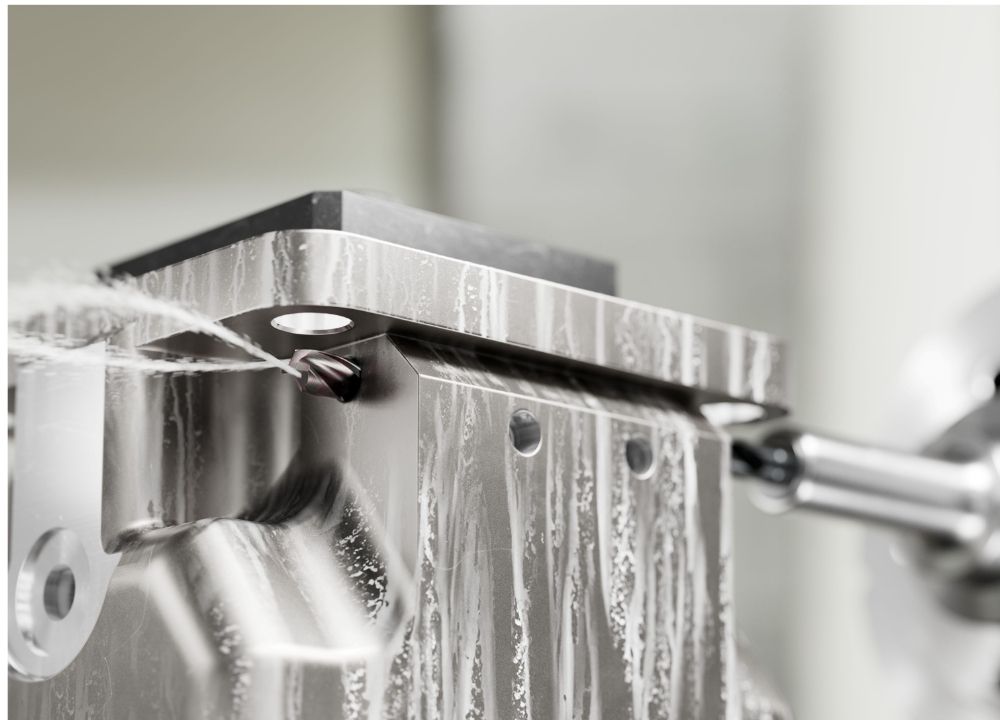
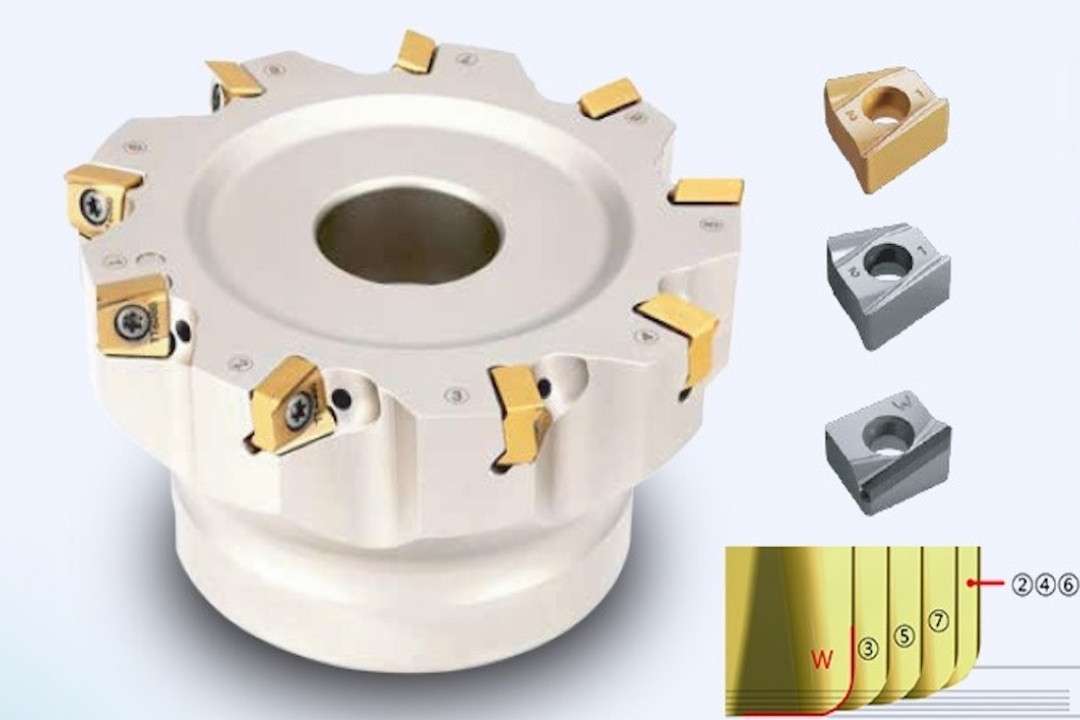
On the milling side, TaeguTec’s CHASE4FINISH 4WHU Super-finishing Wiper inserts bring a similar transformation. Conventionally, after rough and semi-finish milling, parts often require a separate grinding operation to achieve low Ra surface finish values.
The 4WHU inserts feature an innovative wiper geometry specifically engineered to generate grinding-level surface quality during the final milling pass itself. Operating at shallow depths of cut (0.25-0.50 mm), the wide wiper edge effectively flattens surface peaks, resulting in exceptionally low Ra values directly from the milling process. This makes the milling pass the final operation, eliminating the need to transfer parts for grinding.
Real-World Transformation
The impact of these technologies extends beyond just technical specifications. Manufacturers implementing TaeguTec’s solutions are experiencing:
- Reduction in overall production time for precision components
- Significant cost savings from the elimination of secondary operations
- Reduced capital equipment requirements
- Lower energy consumption across production
- Decreased quality issues from reduced part handling
- Simplified production planning and scheduling
The Future of Precision Manufacturing
TaeguTec’s dual innovation approach represents a significant shift in how manufacturers think about precision component production. By eliminating the traditional boundary between turning/milling and grinding operations, these technologies are enabling more streamlined, cost-effective production flows.
As manufacturing continues to evolve toward greater efficiency and sustainability, solutions that reduce energy consumption, minimise material handling, and optimise machine utilisation will become increasingly valuable. TaeguTec’s grinding-alternative technologies represent a fundamental rethinking of production methodologies that could reshape precision manufacturing for years to come. For manufacturers looking to remain competitive in an increasingly challenging market, these innovations offer a compelling path forward- beyond the grind.