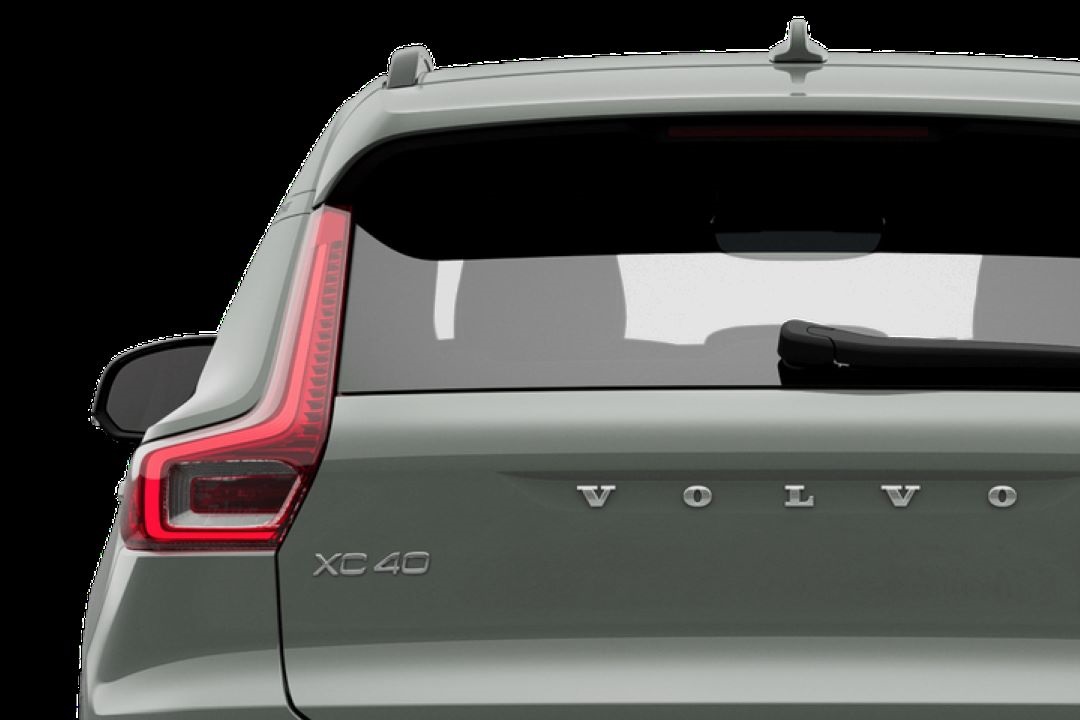
Volvo Cars marked a major achievement in its shift toward electrification with the delivery of its one-millionth plug-in hybrid vehicle (PHEV) in September. This milestone reflects the company’s continued focus on offering lower-emission vehicles as it steadily transitions to a fully electric lineup. Plug-in hybrids remain a key component of Volvo’s product strategy as the company balances current consumer preferences with long-term sustainability goals.
Plug-in hybrids accounted for 23% of Volvo’s global vehicle sales during the first half of 2025. Since 2019, sales have surged from roughly 46,000 units to more than 177,000 in 2024, largely driven by the popularity of the XC60 and XC90 models. The XC60, in particular, was the best-selling plug-in hybrid in Europe last year and has led the global premium PHEV segment for the past three years.
With consistent demand across its major markets—Sweden, the U.S., and China—Volvo has achieved the highest percentage of PHEV sales relative to overall volume among legacy premium automakers. The recent introduction of the XC70, Volvo’s first long-range plug-in hybrid capable of over 200 kilometers of electric-only range (under CLTC standards), reinforces the brand’s commitment to providing versatile electrified options.
Company data shows that many Volvo PHEV drivers use their vehicles predominantly in electric mode, especially in city driving. On average, nearly half of all driving time is completed without using the combustion engine. This indicates that PHEVs are not only a transitional solution but also a practical choice for daily low-emission travel.
Volvo introduced its first plug-in hybrid back in 2012 with the diesel-powered V60 estate and was once the only global brand offering a PHEV version of every model in its range. Today, the company offers five plug-in hybrid models alongside six fully electric ones. This balanced product lineup positions Volvo to meet customer needs across a range of markets while continuing its broader environmental commitment, which includes becoming climate-neutral by 2040.