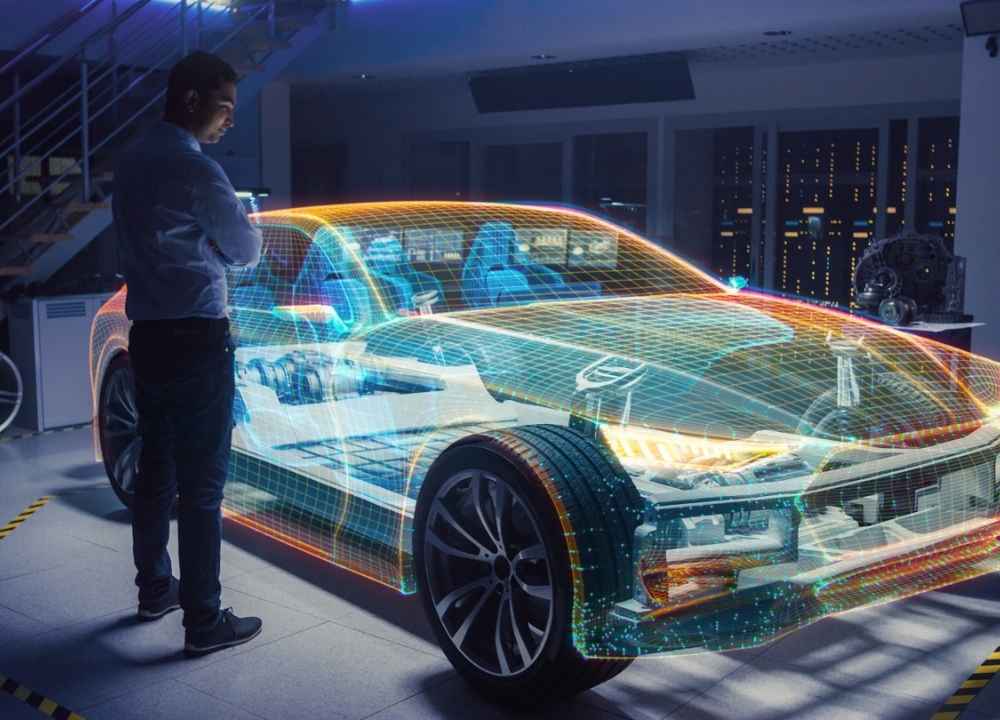
Schneider Electric, AVEVA, Nscale and Start Campus have completed a pilot of an end-to-end digital twin for an artificial intelligence (AI) data centre, using the NVIDIA Omniverse DSX Blueprint. The project brings together energy management, engineering software, AI cloud infrastructure and data centre operations to model facility performance before changes are made on-site.
The pilot focuses on Nscale’s operations at the SIN01 data centre within the 1.2 GW SINES Data Campus in Portugal, developed by Start Campus. The campus is designed to accommodate successive generations of AI infrastructure and is expected to host more than 66,000 NVIDIA Rubin GPUs.
The digital twin combines engineering and operational data with power, cooling and workload simulations to provide a unified view of data centre performance. Operators can use it to test proposed configurations, assess the effects of upgrades and identify opportunities to improve energy use and computing efficiency before implementing changes at the physical facility.
The system uses an OpenUSD-based model that connects technologies from Schneider Electric, ETAP, AVEVA and third-party providers. It supports “what-if” scenario testing across power distribution, cooling and process behaviour, helping teams validate design choices, assess procurement risks and link information technology (IT) with operational technology (OT) data.
David Power, Chief Technology Officer at Nscale, said digital twins allow the company to model how AI data centres operate, from power and cooling through to token delivery. He said the simulations provide a clearer view of possible improvements before changes are made to operating infrastructure.
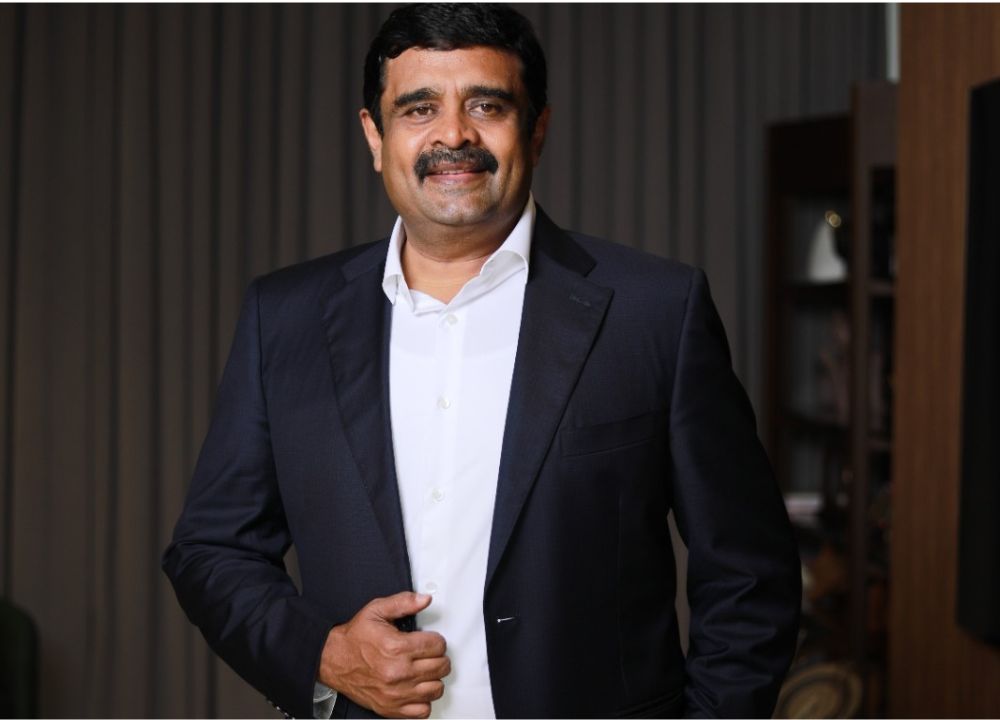
Pankaj Sharma, Executive Vice President, Software and Services at Schneider Electric, said the project combines Nscale’s workload and IT requirements with Start Campus’s facility data and Schneider Electric’s digital twin technology. The collaboration is intended to help operators examine performance, energy efficiency and token production within a common model.
Start Campus Chief Executive Officer Robert Dunn said the shared model allows operators and customers to evaluate changes in rack density, power systems and liquid cooling before implementing them. This approach can help teams agree on configurations, reduce deployment risks and make better use of available power capacity.
The pilot builds on existing collaboration between Schneider Electric, AVEVA, ETAP and NVIDIA. In 2025, the companies joined the Alliance for OpenUSD to support digital twin development and industrial 3D modelling. They are also working on reference designs integrating power management, liquid cooling controls and software for next-generation AI factories.
Nscale expects the digital twin to support faster deployment, improved operational flexibility, greater token efficiency and reduced risk when introducing new technologies. The companies said the project demonstrates how simulation and shared engineering data can support the design, development and operation of large-scale AI infrastructure.