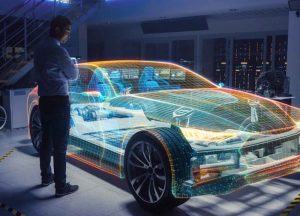
Schneider Electric has released research showing that 76% of energy organisations in the Middle East increased investment in autonomous technology over the past 12 months. The study also found that 72% of respondents considered autonomous systems important for maintaining operational resilience and uninterrupted production.
The findings indicate that energy companies are increasingly treating autonomy as a long-term investment rather than a response to individual operational disruptions. Only 3% of respondents identified recent disruption as the primary reason for current investment, while long-term modernisation and competitiveness emerged as the most frequently cited driver, at 24%.
Productivity was the most commonly reported benefit already achieved through autonomous operations, cited by 42% of respondents. Other reported benefits included improved workforce safety, environmental performance, operational resilience and asset reliability.
Cybersecurity and safety systems, alongside artificial intelligence and machine learning, were each cited by 47% of respondents as technologies that had advanced autonomous operations over the past year. Smart grids, distribution automation, digital twins and open, software-defined automation were also identified as important technologies. However, cybersecurity remains a major concern. Around 35% of respondents cited cyber risk as an obstacle to wider adoption. Skills shortages, competing investment priorities and high initial costs were each identified by more than a quarter of respondents.
Devan Pillay, Heavy Industry Segment President at Schneider Electric, said operational resilience depended on connecting intelligence with execution. He said integrating energy systems, operations and digital intelligence could help companies respond more quickly while allowing employees to focus on higher-value activities.
Investment plans remain strong. Only 2% of respondents reported reducing investment in autonomous technology during the past year, while all organisations with at least some autonomous operations planned to allocate capital to the area over the next 12 months. Nearly half, or 48%, intend to direct most of this investment towards new facilities, compared with 23% prioritising upgrades to existing assets. More than a quarter expect to divide investment approximately equally between the two.
Regulatory clarity is also supporting adoption, with 72% saying clear rules in their markets had helped accelerate deployment. In addition, 84% said investment in autonomous operations was important to national workforce development goals, while nearly a third reported that autonomy had enabled employees to concentrate on higher-value work.
Schneider Electric also highlighted its autonomous operations pilot at ADNOC’s Ruwais Refinery. The project has progressed from proof of concept to deployment and is designed to restore on-spec production up to 15% faster after a restart, while reducing energy use, fuel consumption, carbon dioxide emissions and hydrogen demand by up to 5%. At ADIPEC 2026, Schneider Electric is demonstrating technologies for integrating power and process operations, modernising automation systems and using AI-driven insights to improve operational decisions.
Schneider Electric is a global leader in energy technology, helping businesses, industries, and communities improve efficiency and sustainability through electrification, automation, and digitalization. Its solutions support buildings, data centers, factories, infrastructure, and power grids as connected, intelligent ecosystems. With a portfolio spanning intelligent devices, software, AI-enabled systems, digital services, and advisory expertise, Schneider Electric operates in more than 100 countries with 160,000 employees and a network of one million partners worldwide.