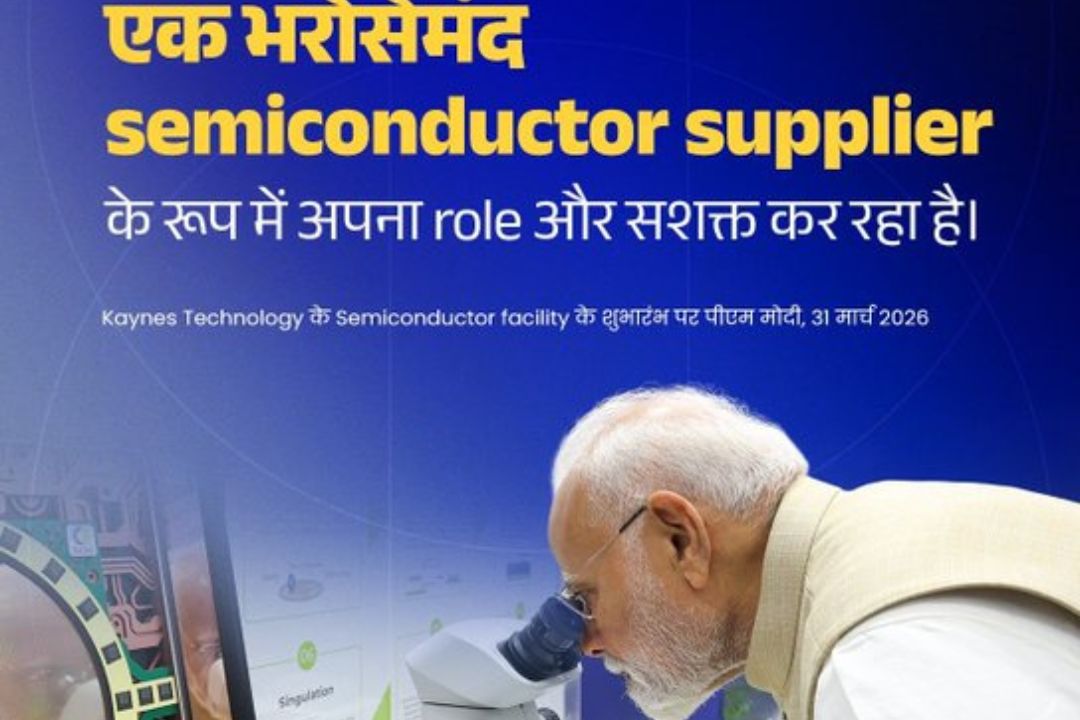
Prime Minister Narendra Modi inaugurated the semiconductor manufacturing facility of Kaynes Technology in Sanand, Gujarat, formally marking the start of production at the plant. The event highlights a major step forward in India’s efforts to establish itself as a key player in the global semiconductor industry.
The inauguration follows closely on the heels of another milestone in Sanand, where a separate semiconductor facility began operations just weeks earlier. This rapid succession of developments underscores the pace at which India’s semiconductor ecosystem is expanding, supported by policy initiatives and increasing industry participation.
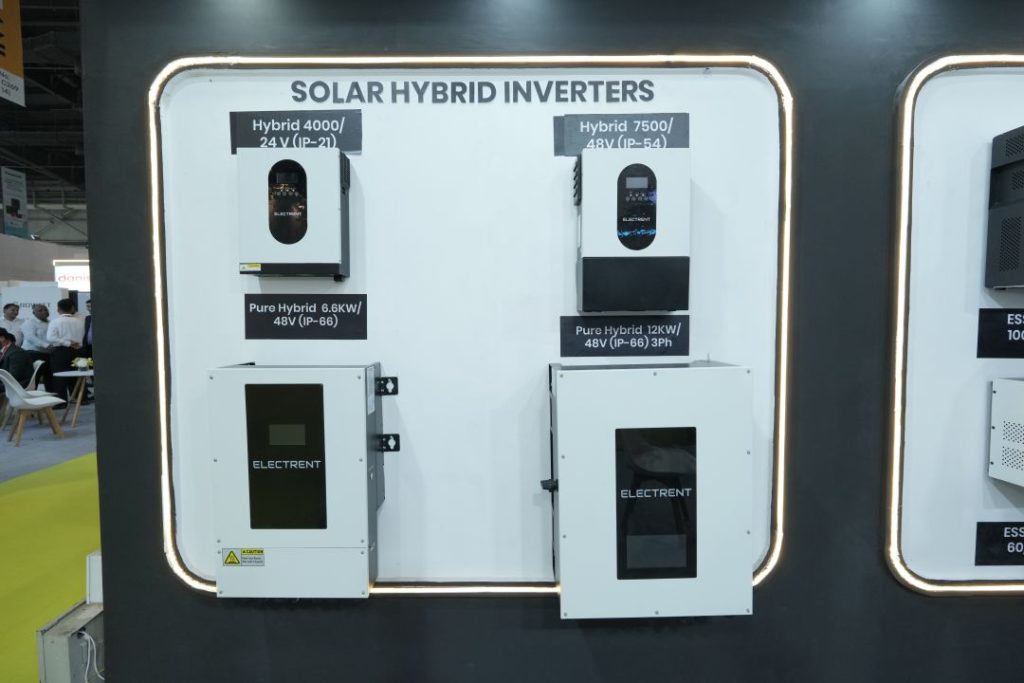
The Kaynes facility will produce Intelligent Power Modules, critical components used in electric vehicles, industrial systems, and energy infrastructure. A significant share of the plant’s output has already been secured for export, including supply commitments to international technology firms. The development strengthens India’s position within global supply chains while enhancing its manufacturing capabilities.
Speaking at the event, the Prime Minister emphasized that the project reflects the vision of positioning India as both a manufacturing hub and a reliable partner in global technology networks. He noted that domestic companies entering semiconductor manufacturing represent an important shift toward technological self-reliance and innovation.
The project aligns with the broader India Semiconductor Mission, launched to build capabilities across the semiconductor value chain, including design, fabrication, and packaging. Investments across multiple states are contributing to the creation of a robust ecosystem aimed at reducing dependence on imports while meeting growing domestic demand.
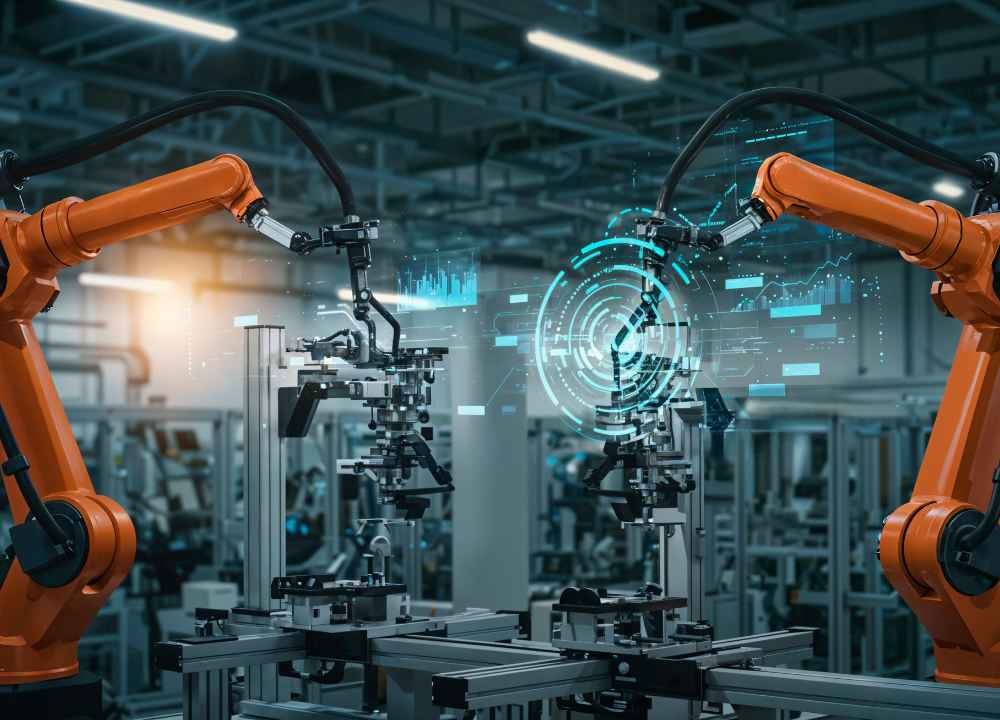
Officials highlighted that the plant’s output will support key sectors such as electric mobility, industrial automation, and clean energy. These industries are expected to see rapid growth, increasing the importance of stable and secure semiconductor supplies.
In addition to manufacturing, the government is focusing on workforce development and research. Training initiatives and collaborations with academic institutions are helping to build a pipeline of skilled professionals capable of supporting advanced semiconductor operations.
The Prime Minister also pointed to ongoing efforts to strengthen supply chains for critical materials and to encourage innovation in chip design. These measures are intended to ensure long-term sustainability and competitiveness for India’s semiconductor sector.
The Sanand facility is seen as a significant milestone in India’s journey toward becoming a global hub for semiconductor manufacturing. With continued investments, policy support, and industry collaboration, the country aims to play a larger role in meeting global demand for advanced electronics while fostering domestic technological growth.