Jindal Stainless Ltd (JSL), India’s largest stainless steel producer, has announced an investment plan of ₹700 crore towards decarbonisation projects, alongside reporting a 14% year-on-year reduction in carbon emissions in FY25. The company achieved a cut of 3,18,248 metric tonnes of CO₂ compared to FY24 levels.
Key initiatives include the commissioning of Odisha’s largest captive solar power plant, energy efficiency upgrades across facilities, supply chain digitisation for transparency, and community-focused programmes in education, healthcare, and skill development. Looking ahead, JSL aims to sustain this momentum in FY26, with a long-term roadmap targeting a 50% emissions reduction by 2035 and achieving net zero by 2050.
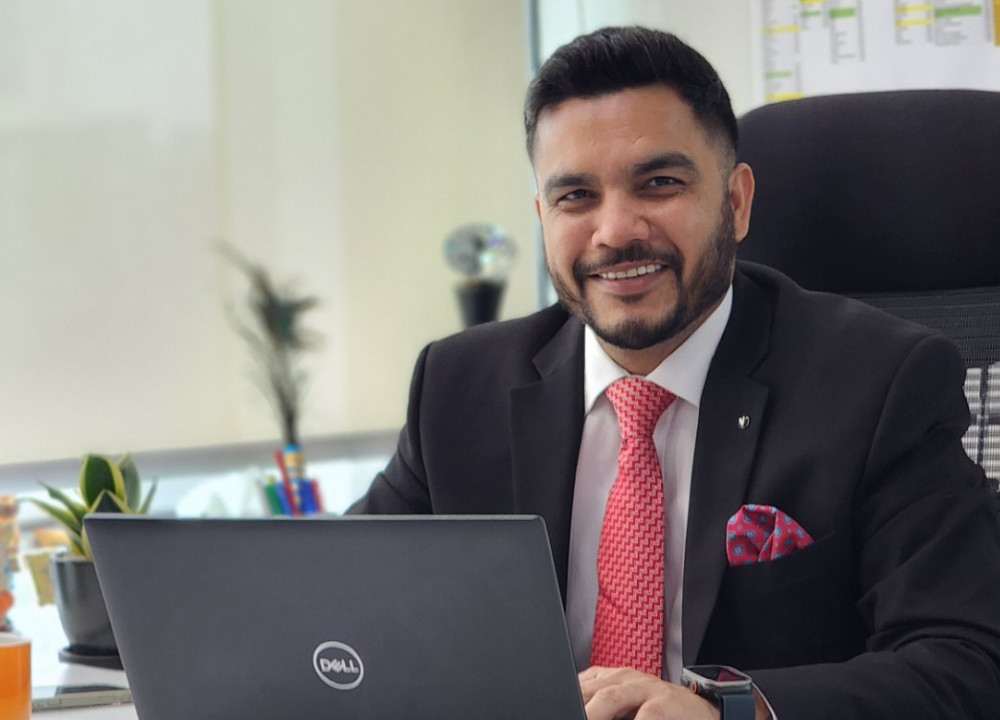
Kalyan Kumar Bhattacherjee, Chief Sustainability Officer at JSL, said “Our first Integrated Report for FY25 highlights milestones such as the launch of ambitious ESG targets, completion of a Double Materiality Assessment, and the commissioning of Odisha’s largest captive solar facility. These achievements reinforce our commitment to responsible growth and sustainability.”
Jindal Stainless recorded an annual turnover of ₹40,182 crore (USD 4.75 billion) in FY25. The company is ramping up operations to reach 4.2 million tonnes of annual melt capacity by FY27. With 16 manufacturing and processing units across India and overseas (including Spain and Indonesia), and a network in 12 countries, JSL continues to strengthen its global presence.
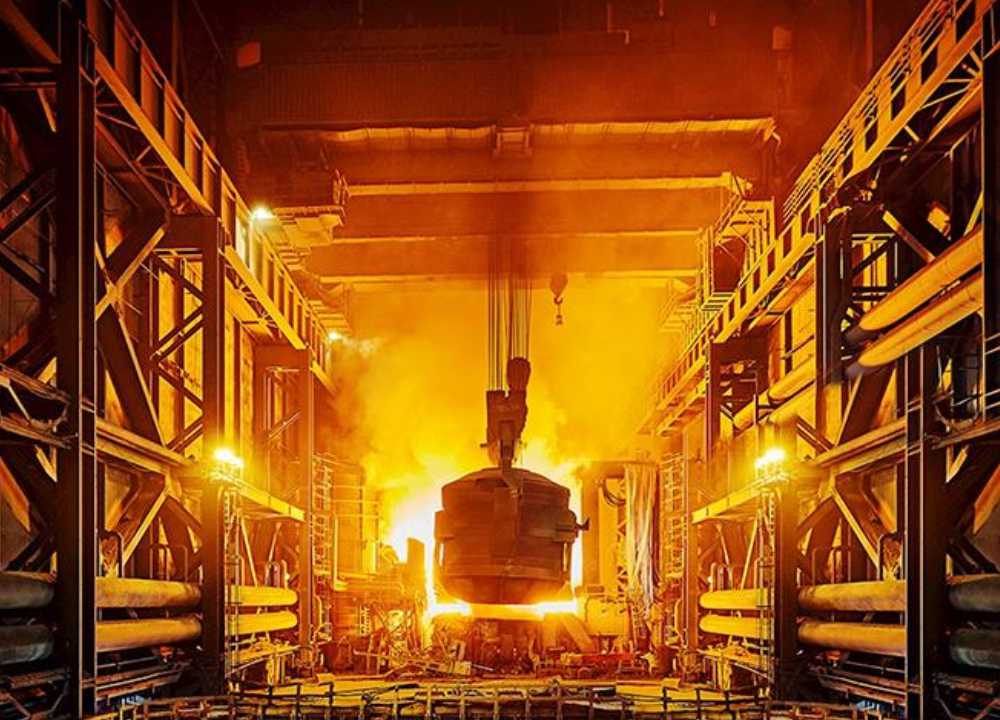
The company manufactures stainless steel through electric arc furnace technology—reducing greenhouse gas emissions and enabling scrap recyclability without compromising quality. Its portfolio spans slabs, coils, plates, sheets, wire rods, precision strips, rebars, blade steel, and coin blanks. Founded in 1970, Jindal Stainless remains committed to innovation, operational efficiency, and its long-term vision of building a greener, more sustainable future.