Gradiant, a global provider of advanced water and wastewater solutions, has completed its work for a major semiconductor manufacturing facility in Dresden, Germany, supporting one of Europe’s largest industrial expansion projects. The new plant, backed by an investment of around €5 billion, will significantly strengthen Europe’s semiconductor manufacturing capacity and reinforce the region’s supply chain for advanced electronic components.
Located in Silicon Saxony, Europe’s leading semiconductor manufacturing hub, the new facility will double production capacity at the customer’s Dresden site and is expected to create nearly 1,000 highly skilled jobs. The project has received approximately €1 billion in public funding under initiatives including the European Chips Act and the Important Project of Common European Interest (IPCEI), reflecting Europe’s commitment to expanding domestic semiconductor production.
The facility has been designed to manufacture advanced power semiconductors along with analog and mixed-signal chips on 300-millimetre wafers. These components are widely used in artificial intelligence data centres, electric vehicles, renewable energy systems, smart power grids and industrial automation, making them essential for next-generation technologies.
Gradiant supplied the plant’s ultrapure water production and water recovery systems, which are critical to semiconductor manufacturing. Chip fabrication requires extremely pure water for wafer cleaning and rinsing, where even the smallest contaminants can affect product quality, production efficiency and manufacturing yields.
The company’s systems ensure a continuous supply of ultrapure water while maintaining the reliability and consistency required by advanced semiconductor production processes. In addition, Gradiant installed rinse-water recovery systems that capture water from selected manufacturing operations and recycle it for suitable applications within the facility. These systems help reduce freshwater consumption while improving the overall efficiency and sustainability of plant operations.
The semiconductor facility has also been designed with long-term water conservation goals. Instead of relying on drinking water, it uses industrial water for production processes. Internal recycling systems allow water to be reused multiple times, with the plant targeting a water recycling rate of up to 45 percent by 2033. This approach supports responsible resource management while ensuring uninterrupted manufacturing operations.
Gradiant completed its project scope three months ahead of schedule, demonstrating its ability to deliver complex infrastructure projects within the demanding quality, safety and operational standards of the semiconductor industry. The company attributed the early completion to close coordination with the customer and project partners throughout the execution phase.
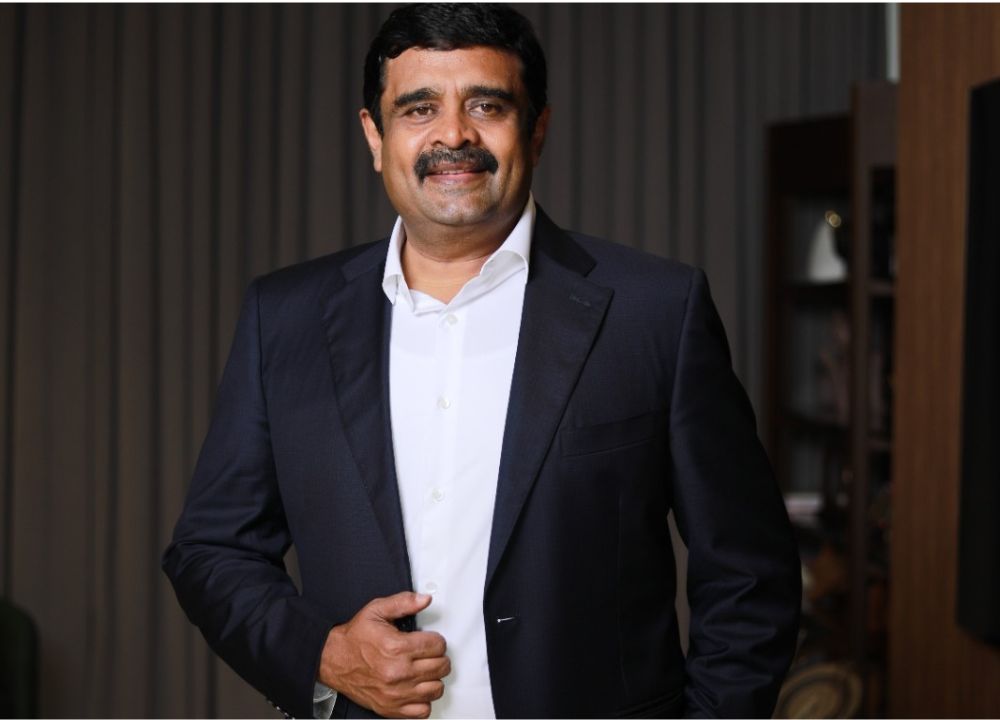
Prakash Govindan, Chief Executive Officer of Gradiant, said advanced semiconductor manufacturing depends as much on reliable water infrastructure as it does on technology. He noted that the company’s solutions help manufacturers maintain water purity, operational reliability and resource efficiency, enabling them to expand production with confidence.
Philipp Sausele, Managing Director of Gradiant Europe, said the successful completion of the project strengthens Europe’s semiconductor manufacturing capabilities while supporting a more digital and energy-efficient future. He added that delivering the project ahead of schedule reflects the technical expertise of Gradiant’s teams and the strong collaboration with customers and partners.
Founded at the Massachusetts Institute of Technology (MIT) and headquartered in Boston, Gradiant develops advanced water and wastewater treatment solutions for industries including semiconductors, data centres, energy and manufacturing. The company has delivered more than 3,000 water treatment facilities across 92 countries, helping industries improve water efficiency, operational resilience and environmental performance.