The global CNC milling machines market was valued at USD 83.09 billion in 2024 and is expected to grow to USD 103.92 billion by 2032, according to DataM Intelligence. The market is forecast to expand at a compound annual growth rate (CAGR) of 2.99 percent between 2025 and 2032, supported by rising demand for precision machining, increased automation, and flexible manufacturing practices across multiple industries.
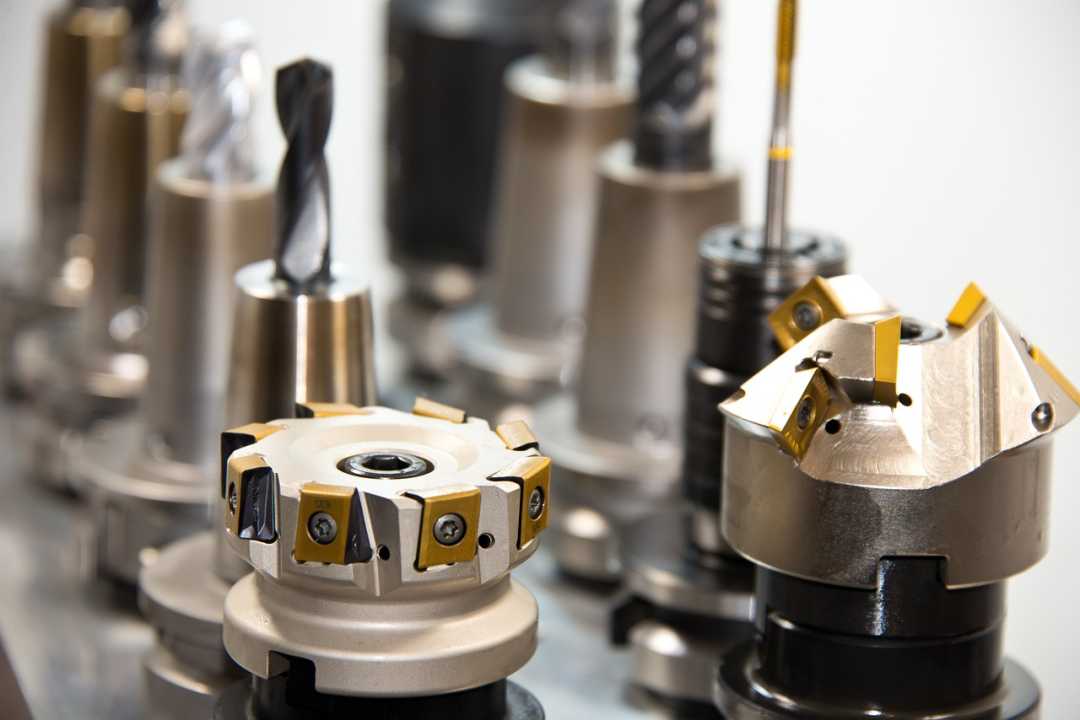
CNC milling machines use computer-controlled cutting tools to shape metal and other materials with high accuracy and consistency. These machines are widely used to produce complex components with tight tolerances, particularly in multi-axis configurations. Growth is being driven by applications in automotive, aerospace, electronics, and industrial machinery, where precision, repeatability, and efficiency are critical.
By machine type, vertical CNC milling machines hold the largest share due to their versatility and suitability for general precision machining. Horizontal and universal milling machines account for the remaining share. Based on axis configuration, 5-axis CNC milling machines are the fastest-growing segment, reflecting rising demand for complex and high-value components.
In terms of end-use industries, automotive and aerospace represent the largest contributors to market demand, followed by electronics and industrial machinery. Regionally, Asia-Pacific leads the market with a 43 percent share, supported by strong manufacturing activity in China, India, and Japan.
In the United States, a major machine tool manufacturer expanded its CNC milling production facility in Ohio in July 2025 to serve growing demand from aerospace and defense customers. In June 2025, an automotive manufacturer deployed next-generation CNC milling machines across several Midwest plants to improve machining accuracy and support electric vehicle component production. Earlier, in May 2025, an industrial automation company introduced AI-enabled monitoring systems for CNC milling machines to enable real-time tool wear detection and predictive maintenance.
In Japan, a leading machine tool manufacturer launched a high-speed CNC milling system in July 2025 for electronics and semiconductor applications, emphasizing micron-level precision and thermal stability. Japanese automotive suppliers also adopted advanced multi-axis CNC milling machines to support electric vehicle and next-generation powertrain components. Additionally, collaborations between CNC machine builders and robotics companies focused on integrating milling machines with collaborative robots to improve productivity in high-mix, low-volume manufacturing.
Key growth drivers include expanding industrialization, increased electric vehicle production, and the adoption of smart manufacturing technologies such as automation and connected systems. Aerospace and defense sectors continue to demand lightweight and high-precision components, further supporting market growth.
Opportunities are emerging in multi-axis CNC milling machines for complex geometries, compact and modular systems tailored for small and mid-sized manufacturers, and energy-efficient machine designs aligned with sustainable manufacturing goals.
Asia-Pacific remains the largest market, supported by expanding manufacturing capacity and vehicle production. Europe is expected to record faster growth due to innovation in aerospace and automotive manufacturing, while North America continues to focus on high-end CNC systems for defense and aerospace applications. Emerging markets are also seeing steady growth as industrial activity increases.
Major companies operating in the global CNC milling machines market include DMG Mori, Haas Automation, Doosan Machine Tools, Mazak, Yamazaki Mazak, Hurco, Okuma, and others. Market participants are focusing on expanding multi-axis capabilities, integrating intelligent machining features, and offering flexible machine designs compatible with Industry 4.0 environments.