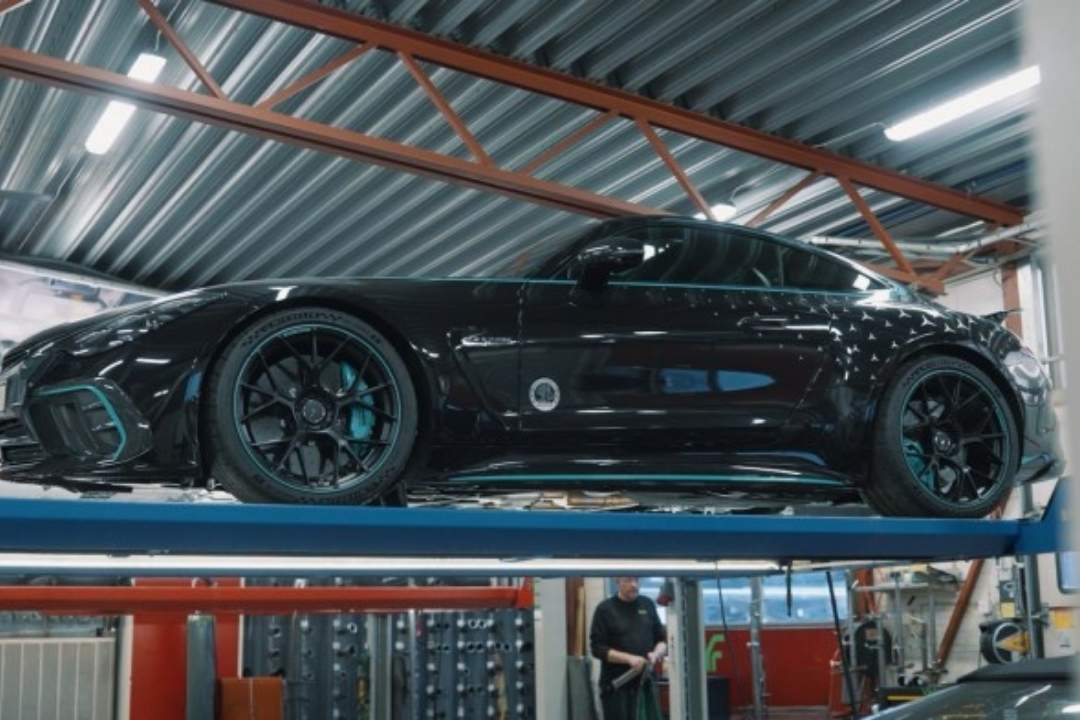
Ferrita Sweden AB, a specialist in advanced exhaust systems, sound attenuation and emission control technologies, has demonstrated how additive manufacturing is transforming high-performance automotive customization by successfully developing a bespoke exhaust system for a 2003 Mercedes-Benz SLR McLaren using Wire Laser Metal Deposition (Wire-LMD).
Known for engineering premium exhaust solutions, Ferrita undertook the project to create a completely customized exhaust for one of the world’s most iconic supercars. The objective was to replace the factory exhaust with a lighter, higher-performing system while preserving the vehicle’s distinctive styling and delivering an enhanced driving experience.
The project presented several engineering challenges. Ferrita needed to manufacture four perfectly symmetrical stainless steel tailpipes with intricate geometries that matched the vehicle’s original design. Conventional manufacturing would have required dedicated tooling, resulting in higher costs and significantly longer production timelines. For specialist automotive workshops that typically complete customer projects within a week, such delays are commercially impractical.
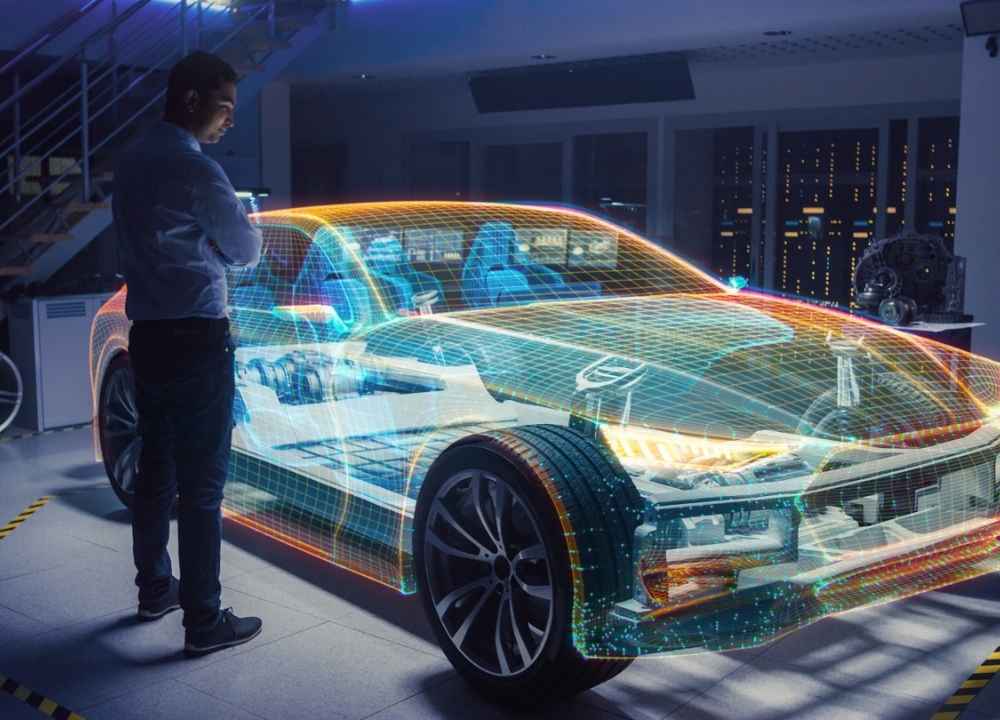
To overcome these limitations, Ferrita adopted a fully digital manufacturing workflow. Engineers first scanned the vehicle to capture precise installation dimensions before creating a digital CAD model of the exhaust components. A rapid polymer prototype was then produced to validate the design and ensure an accurate fit before final metal production.
The finished components were manufactured using a Meltio Robot Cell equipped with an ABB robotic arm and a multi-laser Wire-LMD print head. Using 316 stainless steel wire as feedstock, the system produced complex exhaust tailpipes with high dimensional accuracy, excellent surface quality and optimized internal flow characteristics. The process also enabled the production of geometries that are difficult or impossible to achieve through conventional fabrication techniques.
The adoption of Wire-LMD delivered measurable manufacturing and performance benefits. Ferrita reduced both production time and manufacturing costs by approximately 50 percent compared with conventional fabrication methods that require custom tooling. Stainless steel tailpipes were produced in approximately four to five hours, enabling rapid turnaround without compromising quality.
The technology also minimized material waste, as nearly all of the wire feedstock was incorporated into the finished components. In addition, the manufacturing system supports multiple engineering materials within a single build, allowing designers to combine heat-resistant alloys such as Inconel with stainless steel to optimize performance in high-temperature applications.
Beyond manufacturing efficiency, the redesigned exhaust system significantly improved vehicle performance. Replacing the original muffler reduced overall weight by approximately 20 kilograms while improving exhaust gas flow and lowering back pressure. The ability to manufacture complex collectors and internal flow paths also enabled engineers to fine-tune the exhaust note and maximize engine efficiency.
By integrating digital design, robotic automation and Wire-LMD technology, Ferrita has established a faster and more flexible approach to producing high-performance automotive components. The project demonstrates how metal additive manufacturing is helping specialist manufacturers eliminate traditional production constraints while delivering production-grade quality, repeatability and design freedom for customized vehicles.