Exicom Tele-Systems Limited has started manufacturing advanced liquid-cooled AC and DC power modules for electric vehicle chargers at its Smart Manufacturing Facility in Hyderabad. The company said it is the first in India to manufacture this class of liquid-cooled power electronics for global markets.
The development strengthens Exicom’s strategy to expand high-value technology manufacturing in India and build the country into an important production base for advanced EV charging equipment. Liquid cooling is designed to address one of the key challenges in high-power EV charging: heat. As chargers operate at higher power levels and for longer periods, thermal stress can affect the performance and life of electronic components. Liquid cooling transfers heat more efficiently than conventional air-cooling systems and can help maintain lower operating temperatures.
Exicom said the technology can support continuous high-load operation while enabling a compact design. The fully sealed architecture also provides protection against dust, moisture and salt-laden air, conditions that can affect charging equipment deployed in demanding environments.
The new power modules build on liquid-cooling technology developed within Tritium, the global DC fast-charging company acquired by Exicom in 2024. The technology has been used in high-power charging applications and is now being brought into Exicom’s Indian manufacturing operations.
Initial production will primarily serve customers in North America and Europe. The modules will support Tritium’s DC charging portfolio, including the TRI-FLEX ultra-fast DC chargers and DC-FLEX charging systems. In later phases, Exicom plans to make the technology available to customers in India, including charge point operators, fleet operators and automotive manufacturers. Tritium’s DC fast chargers are also being deployed in the Indian market. The company plans to progressively integrate liquid-cooled architecture into its flagship Harmony DC chargers, creating an additional range of advanced power electronics for domestic and international markets.
Anant Nahata, CEO and Managing Director, Exicom, said EV charging is moving towards higher power and longer operating hours, making thermal management increasingly important. He said local manufacturing would allow Exicom to develop, improve and adapt the technology more quickly for customers in India and overseas.
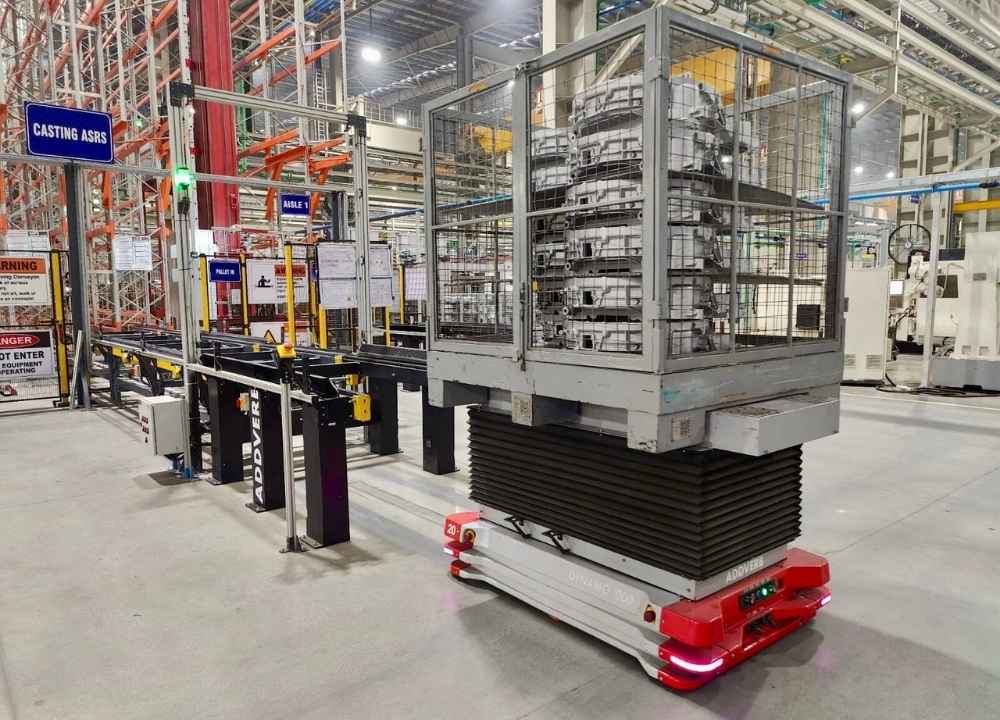
The Hyderabad facility has been designed with automation, digital traceability and specialised testing capabilities. Exicom said these systems will support the precision required for manufacturing liquid-cooled power modules. The new production programme also strengthens the technology and manufacturing integration between Exicom and Tritium. The company expects the combined capabilities to support the development of advanced charging solutions for global markets.
Exicom Tele-Systems Limited is recognized as one of India’s leading companies in the EV charging and critical power sectors. The company operates across the entire EV charger value chain, offering products in both AC and DC charging segments.
Beyond electric mobility, the company’s critical power solutions support essential infrastructure such as telecommunications networks, ensuring reliable power supply for communication systems and other mission-critical operations. Exicom’s power technologies play a key role in supporting telecom towers and network infrastructure that require uninterrupted energy to maintain connectivity.
Over the years, the company has expanded its presence across multiple international markets including India, Southeast Asia, the Middle East, the United States, and Europe. To date, Exicom has sold more than 133,000 EV chargers worldwide, establishing itself as a key participant in the global electric mobility ecosystem.
Through continued investment in manufacturing, research, and advanced technology infrastructure, the company aims to strengthen its position as a global provider of EV charging solutions while supporting the transition toward sustainable transportation and resilient energy infrastructure.