India’s construction equipment market is expected to register only modest volume growth of 2–4% this year and the next, reaching roughly 1.45 lakh units. The industry continues to face muted domestic demand due to slower progress in road development, easing real estate activity, and higher machinery prices following the introduction of CEV-V1 emission standards from January 2025. Strong export orders, however, remain a key source of momentum.
Despite the subdued volume outlook, industry revenue is projected to rise 6–8% over the same period, supported by selective price increases that partly absorb elevated compliance costs. Stable steel prices and healthy export realisations are expected to cushion the impact of low-priced imported equipment, keeping the decline in operating margins restrained at around 11%, only slightly lower than last year’s 12%. Prudent capital spending should help companies maintain manageable debt levels and steady credit profiles.
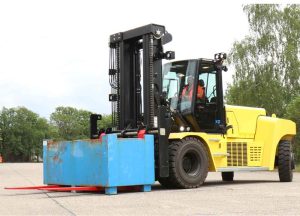
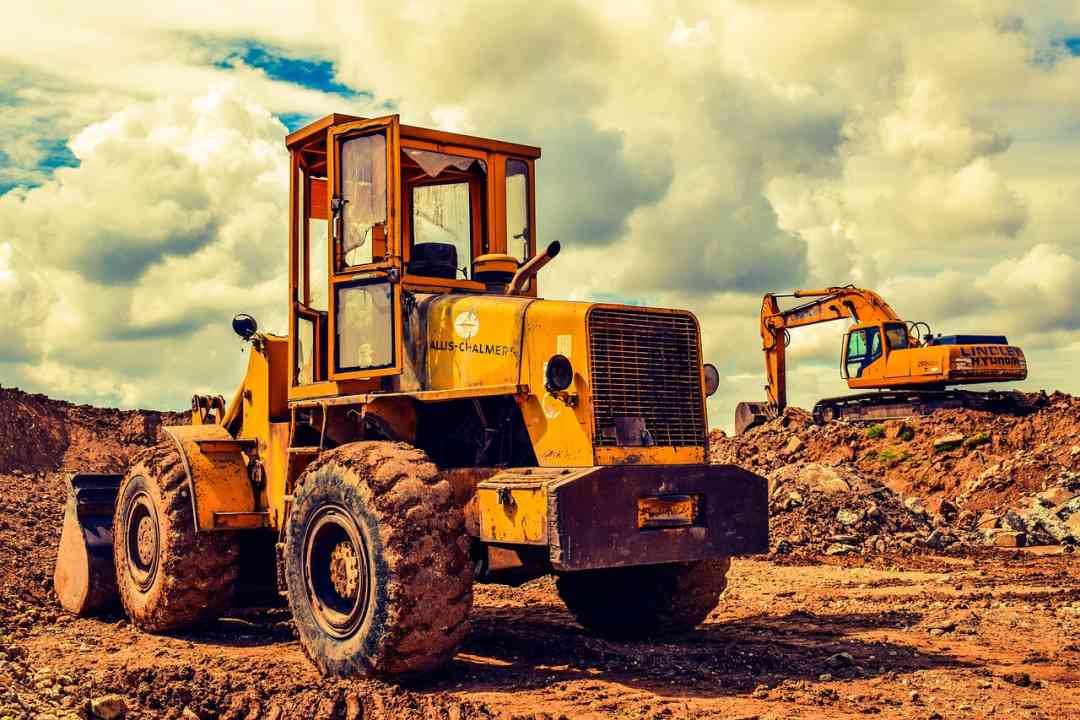
This assessment is based on a review of 17 major manufacturers, which together represent nearly 75% of the sector’s output. Demand for construction equipment is primarily driven by road projects (40%), mining operations (25%), and real estate (15%), with the remainder coming from railways, water infrastructure, power, and other segments. Earthmoving machines account for about 70% of sector volumes, followed by material handling equipment (12%), concrete machinery (10%), road-building equipment (5%), and material processing units (2%).
In fiscal 2025, domestic sales made up roughly 90% of total equipment volumes, with exports contributing the balance. During the first half of this fiscal, overall volumes dipped 1% year-on-year, although a strong 35% jump in exports helped offset weaker domestic demand. Road construction slowed considerably, with about 1,900 km completed in the first six months versus nearly 3,700 km in the same period a year earlier, when general election activity had already subdued progress.
According to Anuj Sethi, Senior Director at Crisil Ratings, road-building activity—a major driver of equipment demand—is expected to ease to 23–25 km per day this year, down from 25–27 km in fiscal 2025 and 34 km in fiscal 2024. Factors such as delayed project awards, an extended monsoon, stabilising real estate markets, and higher equipment costs have constrained execution. With approximately ₹11 lakh crore allocated for infrastructure, timely awarding and execution of projects in the remaining months will be critical. Continued strong government spending and increased private investment will be essential to revive domestic demand in the next fiscal.
The recent rationalisation of GST rates had minimal direct effect on the sector, as construction equipment continues to attract an 18% tax. With domestic demand expected to remain subdued, the anticipated 2–4% volume uptick this fiscal and the next will depend heavily on maintaining robust export performance.
Poonam Upadhyay, Director at Crisil Ratings, notes that the industry is poised to benefit internationally with the adoption of CEV-V norms, which align Indian equipment with global standards. Although compliance has increased costs by 12–15%, it has improved reliability and broadened acceptance. The 35% surge in exports in the first half of this fiscal was driven by strong demand from Africa and Latin America. The updated norms could help Indian suppliers penetrate more advanced markets such as Europe, North America, and Japan, where quality benchmarks and cost competitiveness are crucial. India’s ability to capitalise on these opportunities amid global uncertainties will determine future export resilience.
The sector’s outlook will depend on multiple factors, including the pace of new project awards, mining activity, and export momentum. Growth next fiscal will largely hinge on the timely execution of the government’s infrastructure plans and sustained progress on the ground.
CRISIL (Credit Rating Information Services of India Limited) is a leading global analytics and rating agency headquartered in India. It provides credit ratings, risk assessment services, research, and insights to help businesses, investors, and policymakers make informed financial decisions. Known for its credibility and analytical rigor, CRISIL evaluates the financial strength of companies and institutions, helping lenders and investors understand potential risks. The organization also offers industry research, economic analysis, and advisory services, playing an important role in enhancing transparency and stability in financial markets. Over the years, CRISIL has become a trusted name in financial intelligence, both in India and internationally.