

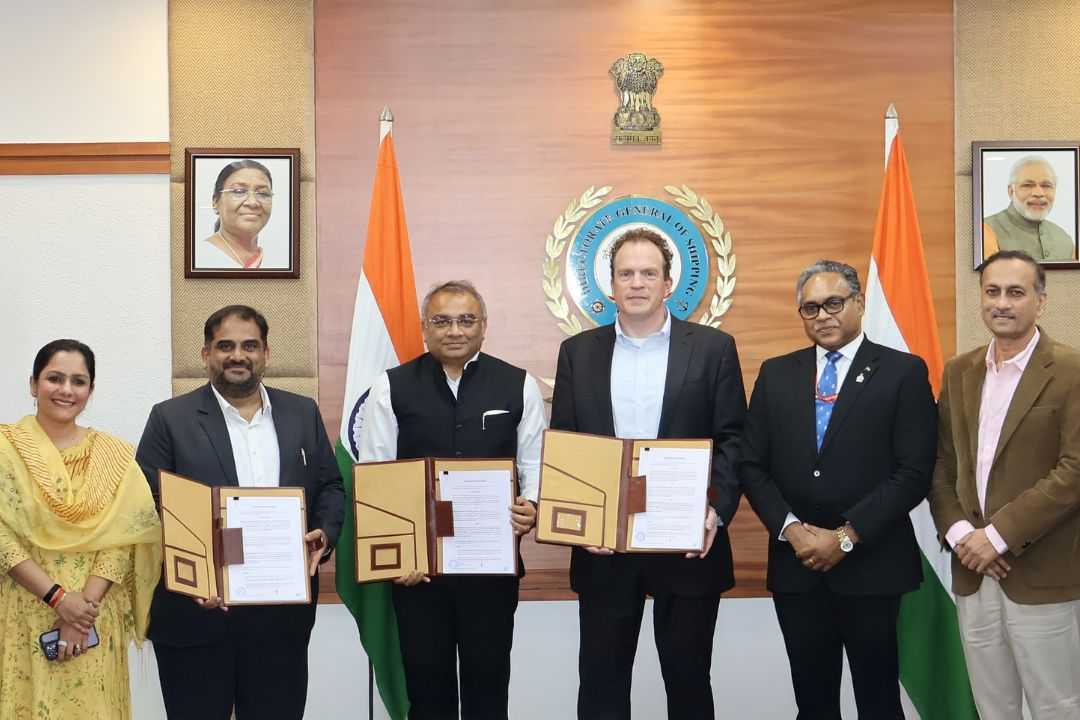
Adani Ports and Special Economic Zone Ltd (APSEZ) has operationalised India’s first Port of Refuge (PoR), marking a major step forward in strengthening the country’s maritime emergency response infrastructure. The initiative addresses a long-standing gap by creating a formal mechanism to support vessels in distress while safeguarding lives, cargo, and the coastal environment.
A Port of Refuge, as defined by the International Maritime Organization, is a designated location where ships facing emergencies can seek shelter to stabilise conditions and prevent further damage. While widely adopted in leading maritime nations, India had not previously established such a framework despite its extensive coastline and strategic position along global shipping routes.
Under this initiative, APSEZ has designated two locations as PoRs: Dighi Port on the west coast and Gopalpur Port on the east coast. These facilities will cater to maritime traffic across critical corridors, including the Arabian Sea, the Persian Gulf, the Bay of Bengal, and routes leading to the Malacca Strait. Both sites will offer specialised services such as salvage operations, firefighting, pollution control, and coordinated emergency response supported by trained personnel and advanced equipment.
The project is backed by a tripartite agreement involving SMIT Salvage, part of Royal Boskalis Westminster NV, and the Maritime Emergency Response Centre (MERC). This collaboration brings global expertise and ensures structured, timely responses aligned with international maritime safety standards. The PoR framework will also support vessels insured under the International Group of Protection and Indemnity Clubs, integrating India more closely with global risk and liability systems.
APSEZ leadership described the initiative as a critical milestone in enhancing maritime preparedness and coastal safety. The move is expected to improve coordination during emergencies, enabling faster decision-making and more effective mitigation of risks.
Officials from India’s shipping administration highlighted that the adoption of a standardised PoR framework will strengthen national capabilities to respond to maritime incidents, ensuring better protection of life and the environment. Industry partners also emphasised the importance of such infrastructure in managing complex salvage operations and minimising disruptions to global shipping flows.
Aligned with international conventions, the initiative reinforces India’s commitment to maritime safety and environmental protection. By establishing a formal Port of Refuge system, APSEZ is positioning the country to better manage emergencies while supporting the continued growth of global trade through its waters.








