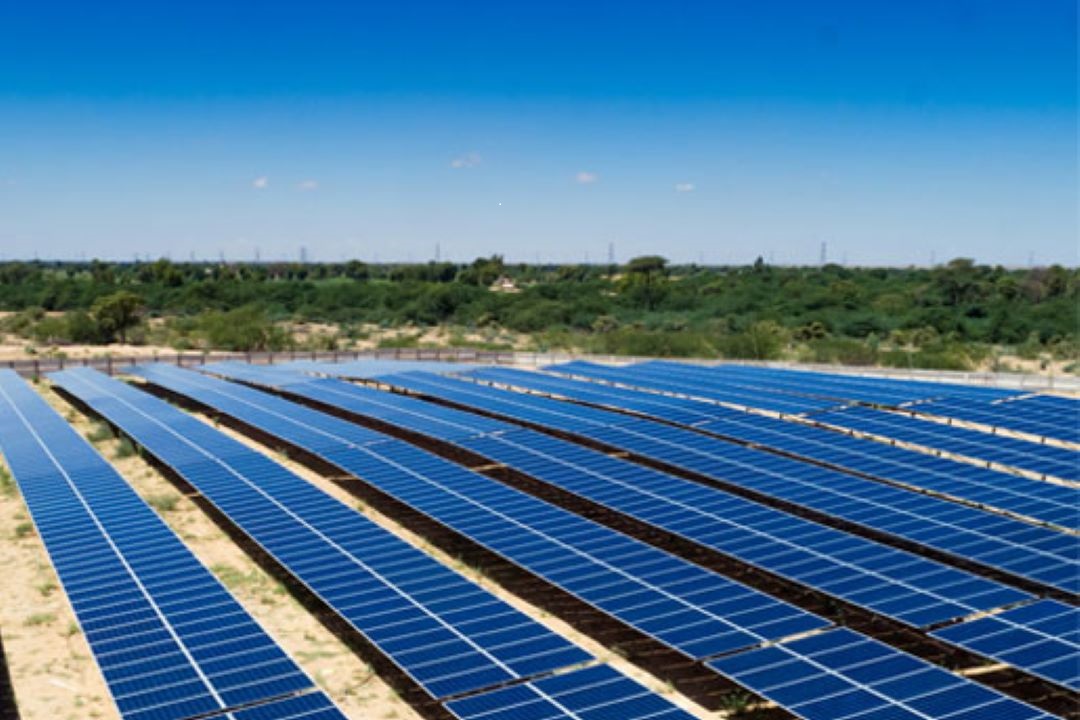
ACME Solar Holdings Ltd has announced the successful operationalisation of more than 2 GWh of Battery Energy Storage System (BESS) capacity in Rajasthan, marking a significant milestone in India’s clean energy transition. With this achievement, the company becomes one of the first renewable energy players in the country to deploy energy storage infrastructure at this scale.
Following this development, ACME Solar’s cumulative operational BESS capacity now stands at 591.18 MW / 2,031.24 MWh across its subsidiaries in Rajasthan. The milestone reflects the company’s strategic focus on integrating advanced energy storage solutions to complement renewable power generation and improve grid stability.
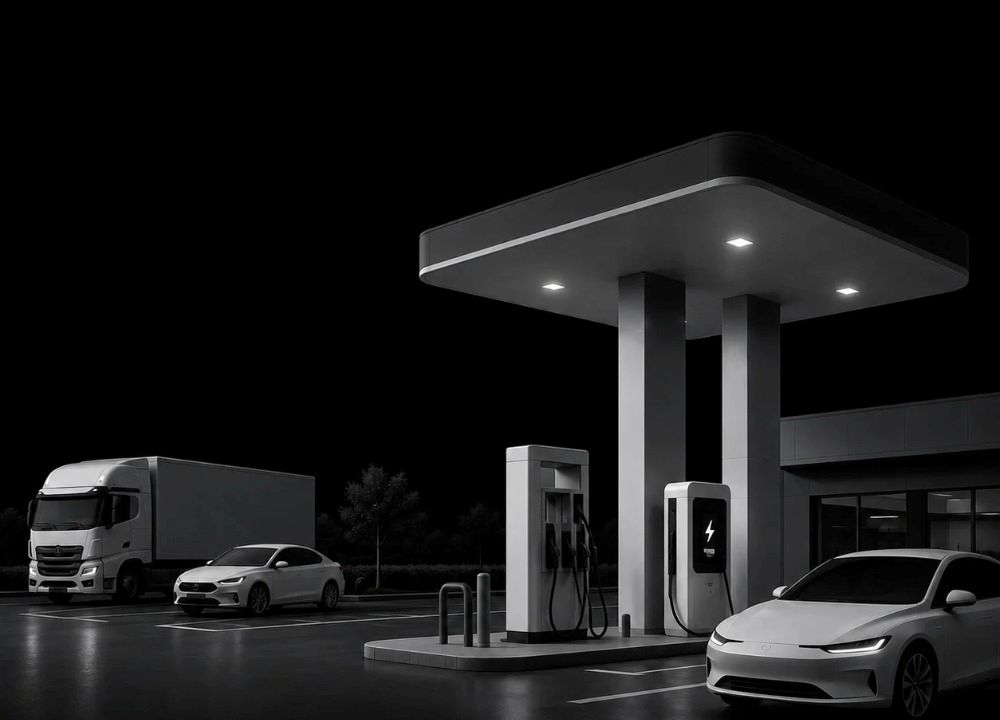
Battery Energy Storage Systems play a critical role in modern power infrastructure by addressing the intermittent nature of renewable energy sources such as solar and wind. These systems enable energy to be stored during periods of low demand and discharged during peak consumption hours, ensuring a consistent and reliable power supply. ACME Solar’s BESS installations are designed to optimise energy utilisation, enhance grid flexibility, and support efficient load balancing.
The company has outlined an ambitious roadmap to further expand its storage capabilities, with plans to operationalise 10 GWh of BESS capacity by 2027. This expansion is expected to significantly contribute to India’s energy security goals while supporting the integration of higher levels of renewable energy into the national grid.
ACME Solar continues to strengthen its position as an integrated renewable energy player with a diversified portfolio spanning solar, wind, hybrid solutions, and firm and dispatchable renewable energy (FDRE) projects. The company currently has a total portfolio of over 8,000 MW, including operational, contracted, and under-construction assets.
Out of this, approximately 2,990 MW of capacity is operational, alongside around 2 GWh of energy storage. Additionally, more than 5,000 MW of projects are under construction, which includes a significant pipeline of BESS installations totalling nearly 15 GWh. The company also holds power purchase agreements for a substantial portion of its upcoming capacity, ensuring long-term revenue visibility and project viability.
A key differentiator for ACME Solar lies in its integrated business model, which includes in-house engineering, procurement, and construction (EPC), as well as operations and maintenance (O&M) capabilities. This enables the company to execute projects efficiently while maintaining high performance standards across its assets.
With the growing importance of energy storage in enabling a reliable and resilient power ecosystem, ACME Solar’s milestone underscores its commitment to advancing sustainable energy solutions. The company continues to play a pivotal role in supporting India’s transition towards a cleaner and more balanced energy future through innovation, scale, and operational excellence.
ACME Solar has developed a diversified renewable energy portfolio of over 8,000 MW, covering solar, wind, hybrid and storage solutions. The company currently has a significant portion of its capacity under construction, including large-scale energy storage installations.
Its integrated approach, which includes in-house engineering, procurement, construction and operations and maintenance capabilities, enables efficient project delivery and performance optimisation. This model supports timely execution while maintaining operational efficiency.
ACME Solar has developed a diversified renewable energy portfolio of over 8,000 MW, covering solar, wind, hybrid and storage solutions. The company currently has a significant portion of its capacity under construction, including large-scale energy storage installations.
Its integrated approach, which includes in-house engineering, procurement, construction and operations and maintenance capabilities, enables efficient project delivery and performance optimisation. This model supports timely execution while maintaining operational efficiency.