Every industry runs on water, and the smart ones are learning to make it last longer. Across oil and gas, manufacturing, and beyond, recycling water has stopped being a nice-to-have and become a business necessity. Sparkle Clean Tech (SCT), recognized as one of India’s leading wastewater treatment companies, has spent more than two decades building expertise in exactly this space, and this year, that expertise travels to ADIPEC in Abu Dhabi once again.
It started with just a handful of people in 2005. Twenty-one years later, SCT is a team of nearly 200, running a manufacturing facility that spans almost 200,000 square feet in Khopoli, Pen Maharashtra and has completed over 1,000 projects while helping save an estimated 15 billion gallons of water annually. The company’s work spans oil and gas, defense, semiconductors, pharmaceuticals, chemicals, food and beverage, and industrial water and wastewater treatment. That range has paid off: SCT recently earned a place on ADNOC’s approved vendor list, a stamp of trust that only comes after years of getting projects right.
At the center of SCT’s business is one clear belief: water shouldn’t be used once and discarded. Up to 80-90% of industrial wastewater can actually be treated and put back into the process, cutting the need for fresh water dramatically. This isn’t a slogan for the company — it’s the blueprint behind every ETP, STP, and Zero Liquid Discharge (ZLD) system they build, where fresh water fills the gaps instead of carrying the load.
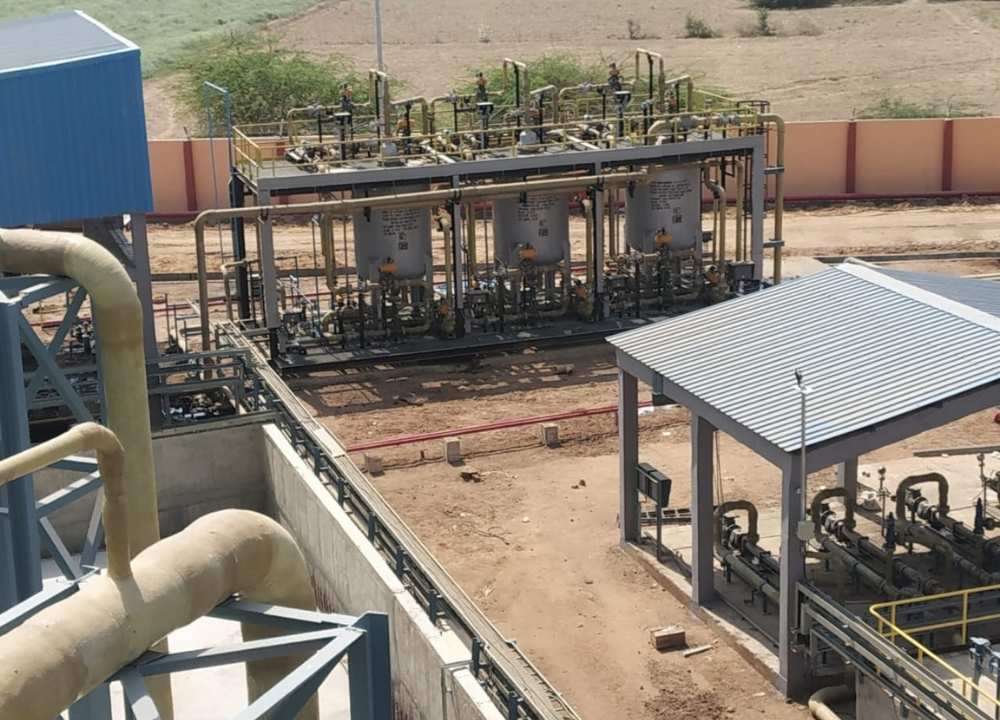
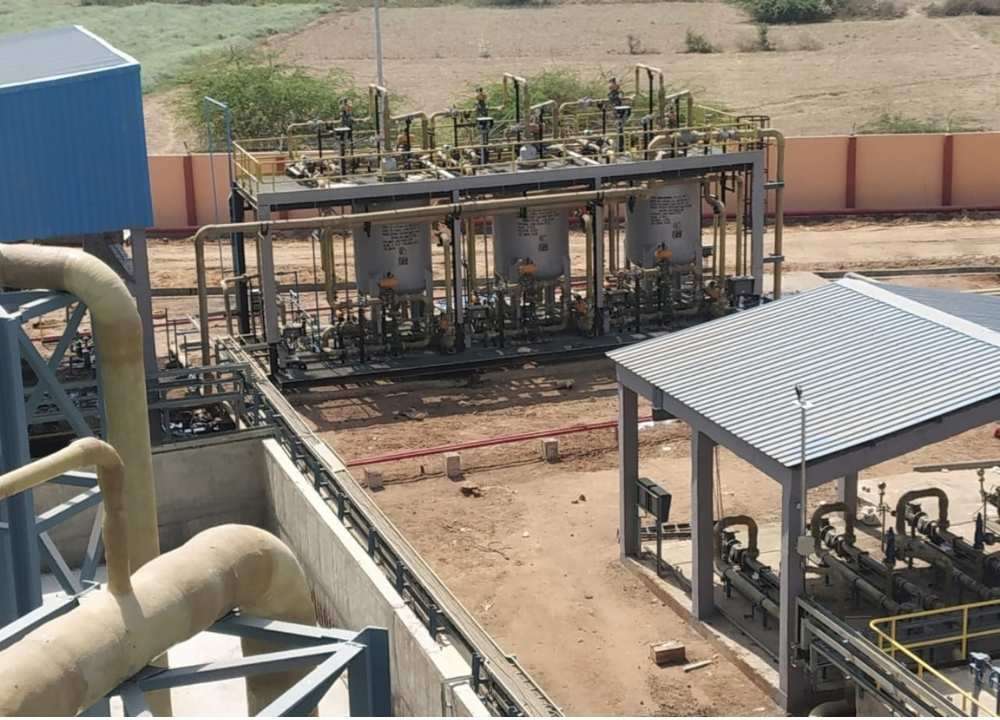
That same thinking runs through what SCT is bringing to ADIPEC 2026. The spotlight falls on upstream produced water treatment, a category that matters enormously in a region built around large-scale oil and gas operations. On display will be flotation systems, corrugated plate interceptors, filtration technologies including nutshell filters and hydrocyclones, alongside treatment chemicals and automated control technologies, all engineered to separate oil, water, and solids with precision.
Two standout technologies are worth watching closely. The first is SCT’s in-house ultra-filtration membrane, purpose-built for high-temperature oil-water separation and field-tested across multiple applications before earning its place center stage. The second is a compact water treatment plant designed for India’s Department of Defense, built to deliver clean drinking water to troops stationed in remote, forward locations. Previously showcased at Make in the Emirates, it’s a project the SCT team speaks about with visible pride.
For SCT, ADIPEC is a launchpad into a region where opportunity is only growing. The Gulf hosts some of the largest oil and gas operations anywhere in the world, and that scale comes with a genuine appetite for water reuse solutions. Showing up here means face time with decision-makers the company might otherwise never meet, and stronger footing with the partners it already has. A standout response at ADIPEC 2025 made the decision to return in 2026, with an even bigger presence, an obvious one.
Looking further out, SCT has no plans to change course — only to go deeper. The company sees its recycling-first model as a way to give industries dependable water supply, support urban infrastructure and environmental conservation, and lighten the load on water communities need most. As more industries shift toward sustainable practices, SCT is set to remain a name they can count on, the same way it has been for the past two decades.
‘Water security is both an environmental priority and an important consideration for industrial growth. The two are becoming increasingly interconnected. Over the last few years, the conversation has shifted from compliance to circularity, particularly in water-intensive sectors such as oil and gas. What was once considered a linear model of water usage is now turning into a circular model where the resource is consumed, recycled, and reused. This is particularly relevant for produced water, which can be one of the largest water streams generated during oil and gas operations. With the right treatment technologies, a significant portion of this water can be recovered for reuse, reducing dependence on freshwater while also improving the overall efficiency of operations. Our participation at ADIPEC is an opportunity to bring this approach to a global audience and demonstrate that water reuse is an important part of building more resilient and efficient industrial systems.’ – Sumeet Mehra, CEO and President, Sparkle Clean Tech (SCT)