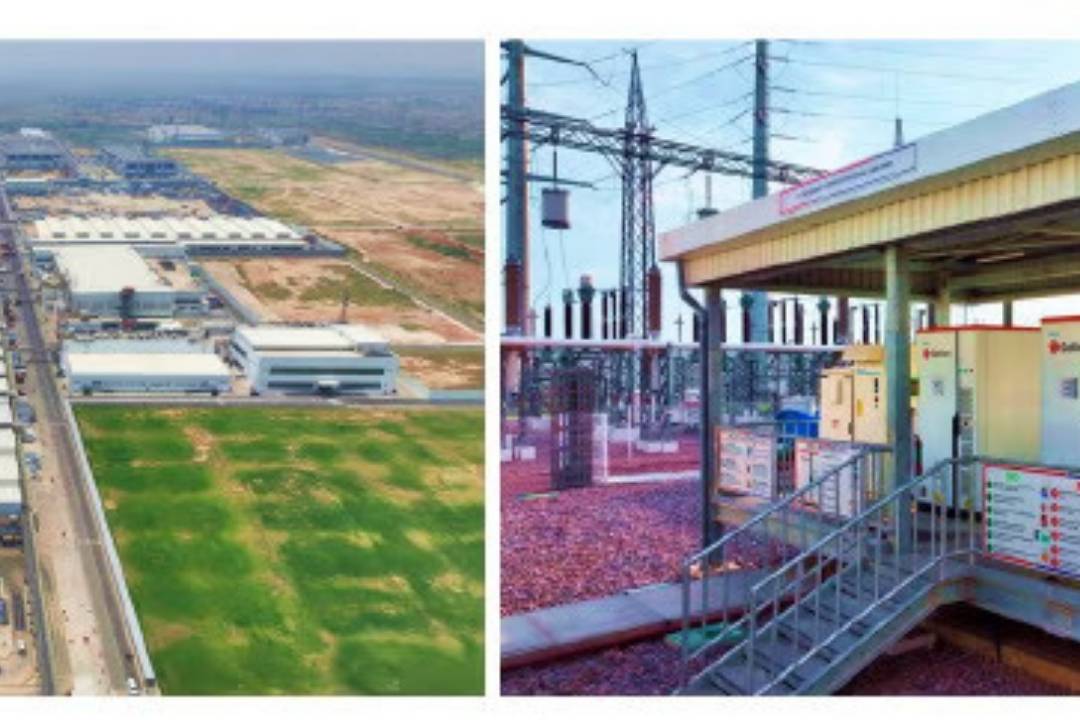
Maruti Suzuki Limited has commissioned a 1 MWh Battery Energy Storage System (BESS) at its Kharkhoda manufacturing facility, marking another step in the company’s efforts to increase the use of clean energy and improve energy efficiency in its manufacturing operations. The new system has been installed as part of Maruti Suzuki’s strategy to build a more sustainable energy ecosystem while supporting India’s transition towards cleaner sources of power. The Battery Energy Storage System will store surplus electricity generated from the company’s solar power plant and make it available whenever required, helping improve energy utilisation and reduce carbon emissions.
Last year, Maruti Suzuki commissioned a 20 MWp solar power plant at the Kharkhoda facility. While the solar installation continues to generate electricity during factory shutdowns and holidays, the power produced during these periods cannot always be consumed because of low electricity demand. The newly installed Battery Energy Storage System addresses this issue by storing the excess solar energy and supplying it later when production resumes or electricity demand increases.
The company has introduced the BESS as a pilot project by integrating it into the internal electricity distribution network of the Kharkhoda manufacturing plant. Besides improving the use of renewable energy, the system is also expected to enhance grid stability by balancing electricity supply and demand within the facility.
Speaking about the initiative, Hisashi Takeuchi, Managing Director and Chief Executive Officer of Maruti Suzuki India Limited, said the company remains committed to supporting India’s efforts to develop a self-reliant and sustainable energy infrastructure. He said the Battery Energy Storage System is an important step in strengthening the company’s renewable energy programme and improving the efficiency of its manufacturing operations.According to the company, the battery storage system has an expected operational life of around 15 years and is projected to reduce nearly 54 tonnes of carbon dioxide emissions every year by enabling greater use of clean energy generated at the plant.
Mr Takeuchi also said Maruti Suzuki expects production volumes to increase in the coming years but remains committed to reducing greenhouse gas emissions from its manufacturing facilities. The company plans to lower both the carbon intensity of its operations and its overall Scope 1 and Scope 2 emissions, even as vehicle production expands.
Maruti Suzuki’s sustainability strategy is aligned with the environmental vision of its parent company, Suzuki Motor Corporation. Under this plan, Suzuki aims to reduce Scope 1 and Scope 2 carbon dioxide emissions by 42 percent by FY2030-31, compared with FY2022-23 levels.
The commissioning of the Battery Energy Storage System reflects Maruti Suzuki’s continued investment in renewable energy and advanced technologies that improve operational efficiency while supporting India’s clean energy goals. The initiative is expected to play an important role in making the company’s manufacturing operations more sustainable as it prepares for future growth.