In the Indian automotive component industry, very few companies have successfully navigated multiple technological revolutions while retaining their relevance across generations. UCAL Ltd is one of those rare companies. Founded during a period when India’s automotive sector was still in its infancy, the Chennai-headquartered company evolved from being a carburettor-focused manufacturer into a diversified mobility technology enterprise serving some of the world’s largest automotive brands.
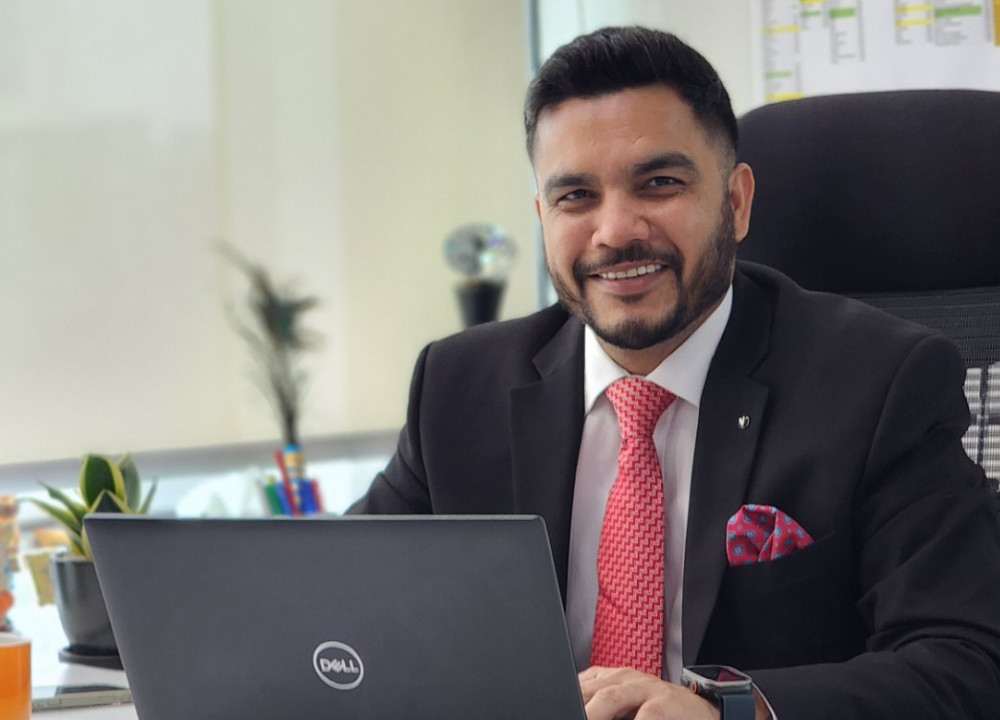
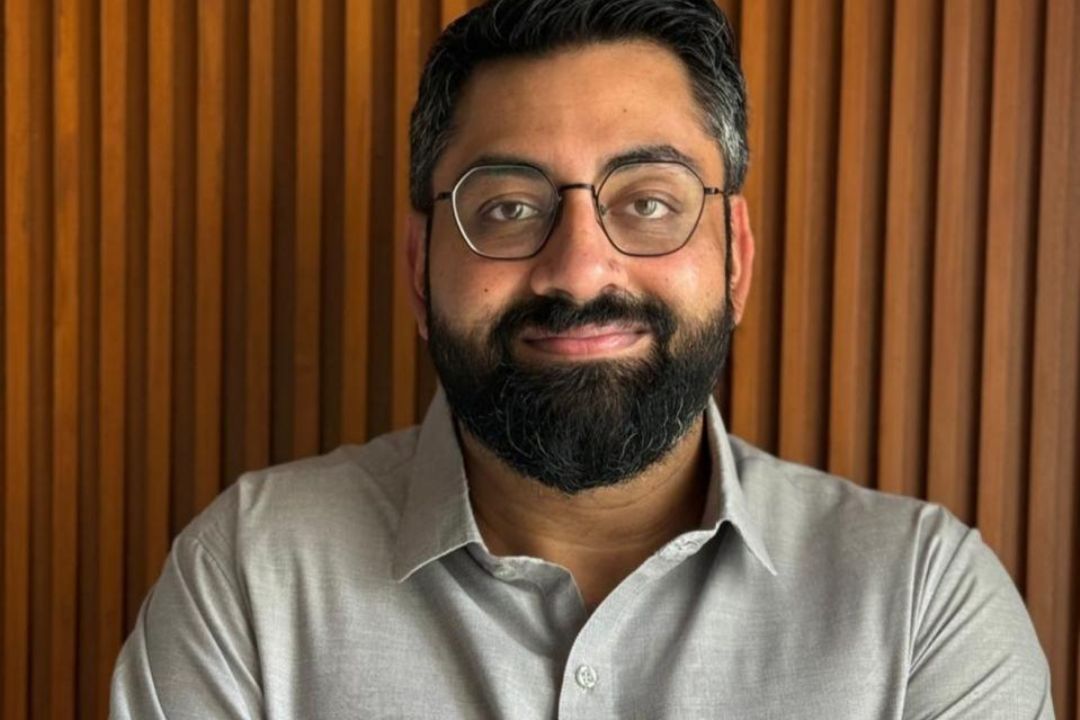
At the center of its latest phase of transformation stands Adithya Srivatsan Jayakar, Joint Managing Director of UCAL Ltd and a fourth-generation member of the promoter family. Young,globally educated and deeply immersed in the operational structure of the business, Adithya represents a new breed of Indian industrial leadership, one that blends legacy manufacturing discipline with innovation, sustainability, strategic partnerships and future mobility thinking.
His journey within UCAL has not been one of ceremonial succession. Instead, it has been a gradual and immersive process that has helped shape both the company’s strategic direction and its modernization efforts during one of the most disruptive phases in automotive history.
The Legacy Behind UCAL
The story of UCAL is closely linked to the growth of India’s automobile industry itself. The company traces its roots to Carburettors Limited, a respected engineering business that established itself as a pioneer in automotive fuel systems in India. UCAL Ltd was formally incorporated in 1985 as a collaboration between Carburettors Limited and Japan’s Mikuni Corporation, one of the world’s leading carburettor technology companies. The partnership brought Japanese engineering precision together with Indian manufacturing capability at a time when India’s automotive ecosystem was beginning to scale rapidly.
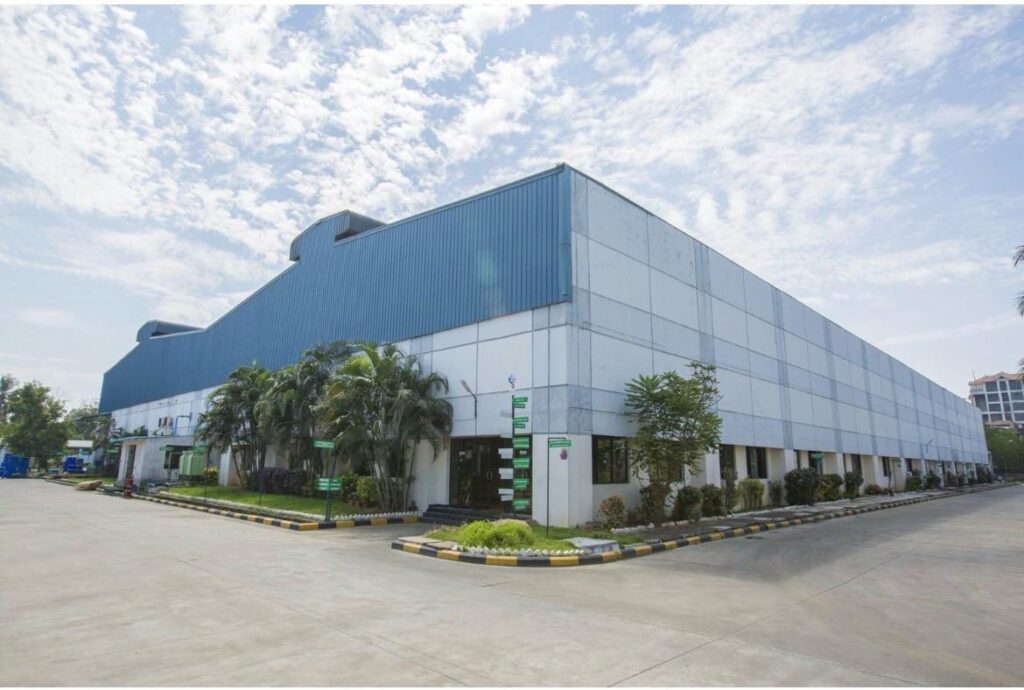
In its early years, UCAL primarily manufacture carburettors and fuel pumps for passenger vehicles and two-wheelers. The company became a trusted supplier to several major automobile manufacturers as India’s mobility market expanded through the 1980s and 1990s. Its ability to maintain quality standards, engineering consistency and reliable OEM partnerships allowed it to steadily grow into one of the country’s recognized automotive component manufacturers.
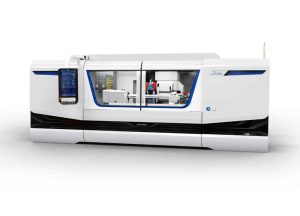
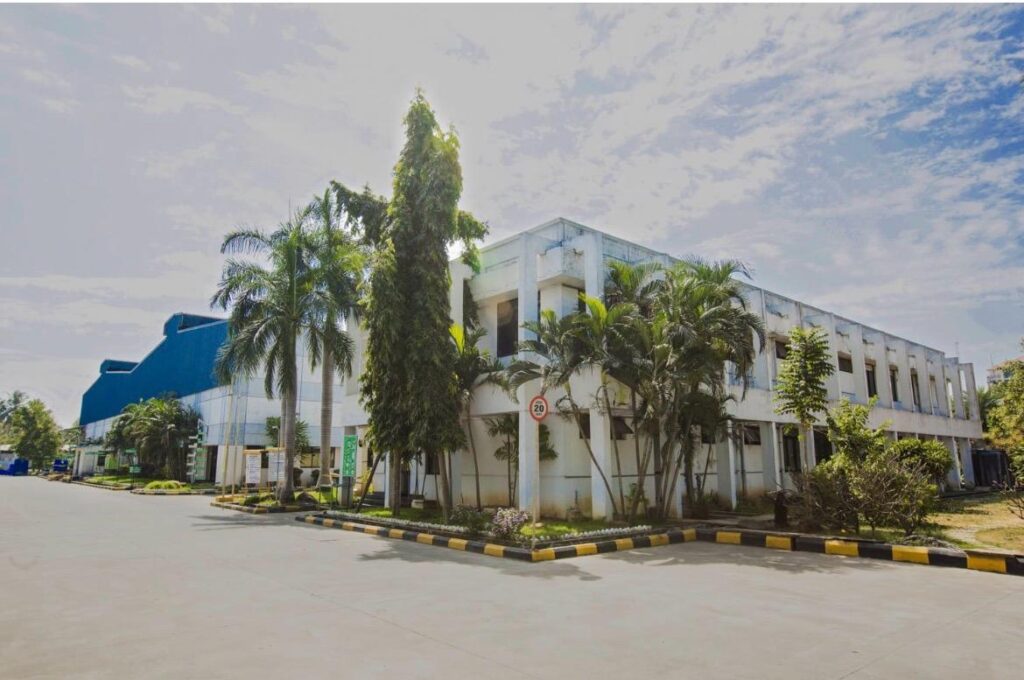
Over the time, UCAL diversified its operations and expanded into multiple automotive systems. From fuel management technologies, the company gradually moved into advanced engine systems, electronic assemblies, precision machining, emission-control products, pumps, throttle bodies and mechatronic systems. The company established a strong manufacturing base in Chennai and built relationships with leading automotive companies including Bajaj Auto, TVS Motor, Hero MotoCorp, Honda, Hyundai, Maruti Suzuki, Royal Enfield, Ashok Leyland and several international OEMs.
The company’s evolution was guided by a strong industrial philosophy rooted in long-term thinking. UCAL’s leadership historically emphasized engineering integrity, manufacturing discipline and continuous process improvement. These values helped the company survive several transitions within the automotive sector, from the rise of small cars to stricter emission norms and increasingly sophisticated automotive electronics.
Strong Family Stewardship
A major force behind UCAL’s long-term stability and evolution has been the Jayakar family. Under the leadership of Jayakar Krishnamurthy, who became Chairman and Managing Director, the company expanded its technological capabilities while maintaining strong governance and operational continuity. His strategic direction helped UCAL move beyond conventional carburettor systems and into advanced automotive technologies at a time when the global industry was beginning to shift toward electronic fuel injection and cleaner mobility solutions.
This phase proved critical because many legacy automotive component manufacturers struggled to adapt to rapid technological changes. The move away from carburettors alone posed a serious threat to companies heavily dependent on traditional fuel systems. UCAL responded not by resisting change, but by investing in diversification, engineering capability, and new-generation products.
That transformation would eventually gain further momentum with the entry of the next generation, particularly Adithya.
Adithya’s Early Journey
Unlike many inheritors of legacy businesses who step directly into leadership positions, Adithya began his journey within UCAL at the operational level. A graduate of the University of Notre Dame in Chicago with an MBA background, he joined the company as an intern and spent years working across multiple functions before taking on strategic leadership responsibilities.
Over the course of more than a decade, he gained hands-on exposure to general management, operations, finance, research and development, marketing, sales, HR and supply chain systems. This broad internal experience became one of the defining strengths of his leadership style. Rather than approaching the business purely from a promoter’s perspective, he developed an understanding of UCAL from within the organization itself.
Today, Adithya oversees areas including marketing, strategy and new business development — three functions that have become central to UCAL’s modernisation and expansion.
What distinguishes his leadership is his ability to recognise that the future of automotive manufacturing lies not merely in mechanical engineering, but in integrated mobility technologies, sustainability, electronics and intelligent systems.
Reinventing UCAL
One of the biggest challenges facing UCAL over the last decade was the rapid transformation of the global automotive industry. Electrification, BS-VI emission norms, connected vehicle technologies, intelligent electronics and stricter sustainability requirements fundamentally changed the nature of automotive manufacturing.
For a company historically associated with carburettors and conventional fuel systems, this transition could have been destabilising.
Instead, under the leadership of the Jayakar family and with Adithya playing an increasingly important strategic role, UCAL began repositioning itself as a future-ready mobility solutions company.
The company expanded aggressively into electronic throttle bodies, ECUs, electronic coolant pumps, vacuum pumps, advanced fuel systems, automotive electronics, EMS systems and precision mechatronic components. This diversification significantly reduced dependence on legacy products while aligning UCAL with emerging industry trends.
Adithya has been closely associated with this transition toward innovation-led growth. One of his key contributions has been identifying areas where UCAL could leverage its engineering expertise while entering future-oriented product segments.
The company’s strategic vision increasingly began focusing on lightweight technologies, sustainable mobility systems, greenenergy integration and digitally enabled manufacturing ecosystems. These priorities reflect a broader understanding that the automotive supplier of the future must combine manufacturing capability with technology integration.
New Business Segments
Another important dimension of Adithya’s influence has been his focus on expanding the company’s business beyond traditional OEM dependence. Historically, many Indian automotive component companies relied heavily on large OEM contracts for growth. While such relationships remain important, they also expose suppliers to cyclical fluctuations in automotive production.
Recognising this, Adithya worked towards strengthening UCAL’s aftermarket presence and non-OE product portfolio. This diversification strategy helped the company create alternative revenue streams while broadening market reach. A stronger aftermarket business also enhances brand visibility, improves margins and reduces dependence on a limited number of customers.
At the same time, UCAL expanded into new business collaborations and technology partnerships aimed at future mobility applications. The company’s growing involvement in electric and electronically managed systems indicates a clear strategic shift from conventional mechanical manufacturing toward integrated mobility technologies.
UCAL’s financial performance over recent years reflects both resilience and strategic adaptation during a volatile period for the global automotive industry. According to publicly available financial information, UCAL reported consolidated revenue of approximately ₹802 crore in FY2024-25 compared to around ₹723 crore in the previous financial year, indicating healthy revenue growth despite broader industry challenges.
The company’s standalone revenues also witnessed improvement, rising to nearly ₹583 crore in FY2024-25 from approximately ₹482 crore in FY2023-24. From the profile information available, UCAL’s sales turnover for 2024-25 stood at approximately USD 100 million, while exports contributed around USD 5 million. The company currently employs nearly 3,000 people across its operations. The business has also maintained globally recognized quality certifications including ISO 14001, OHSAS 18001, IATF 16949, and AS9100, reflecting strong manufacturing standards and process discipline.
Importantly, UCAL has managed to sustain its operational relevance during an extraordinarily disruptive phase for the automotive sector that included:
* BS-VI transition costs
* COVID-19 disruptions
* Semiconductor shortages
* Commodity inflation
* Supply chain instability
* The global EV transition
Many traditional automotive suppliers struggled during this period because their product portfolios became obsolete or insufficiently diversified. UCAL’s shift toward electronics, pumps, advanced systems and mechatronics helped the company remain competitive and strategically relevant.
Leadership Through Modernisation
What makes Adithya’s role especially significant is the balance he brings between legacy stewardship and forward-looking transformation.
He represents a generation of industrial leaders who understand that heritage alone cannot sustain manufacturing businesses in the future. Instead, companies must continuously evolve through technology adoption, product diversification, strategic partnerships and sustainability integration.
Under his influence, UCAL has increasingly positioned itself as a company prepared for the next era of mobility rather than one dependent solely on its historical strengths.
This transformation is visible not only in the company’s product portfolio but also in its broader strategic language. UCAL today speaks about green mobility, lightweight technologies, digital innovation and future-ready ecosystems, a substantial evolution from its origins as a conventional fuel systems manufacturer.
Adithya’s hands-on exposure across departments appears to have contributed significantly to this transition. His approach combines operational understanding with strategic expansion, allowing him to bridge the gap between traditional manufacturing systems and modern mobility technologies.
Preparing for the Future
The automotive industry is currently experiencing one of the largest technological shifts in its history. Electrification, software-defined vehicles, emission reduction targets and sustainable manufacturing are reshaping global supply chains and supplier ecosystems. In such an environment, only companies capable of reinvention are likely to remain relevant over the long term.
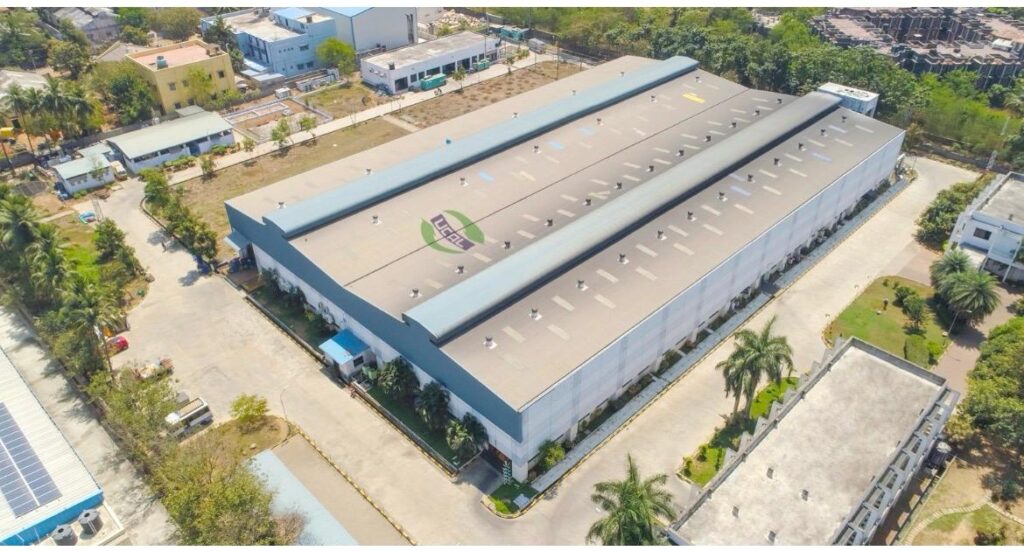
UCAL’s ongoing transformation suggests that the company understands this reality clearly. Through diversification, engineering innovation and technology integration, it is steadily evolving from a legacy automotive component manufacturer into a broader mobility technology company.
Adithya has emerged as one of the central figures driving this evolution. As a fourth-generation leader, he carries forward the industrial legacy built by his predecessors while simultaneously redefining what the company can become in the future. His journey reflects a larger shift occurring across Indian industry itself, where legacy manufacturing businesses are increasingly embracing innovation, sustainability and technology-led growth to remain globally competitive. For UCAL, the transformation is still unfolding. The company appears determined not merely to adapt to the future of mobility, but to actively participate in shaping it