As prolonged and intense heatwaves become an increasingly common feature across India, the Indian Society of Heating, Refrigerating and Air Conditioning Engineers (ISHRAE) has released a comprehensive Position Document titled Managing Heat Stress & Enhancing Thermal Comfort. The report provides practical, science-based recommendations aimed at helping citizens, institutions, urban planners and policymakers reduce the health risks associated with extreme heat while promoting sustainable cooling practices.
Prepared by ISHRAE’s expert technical groups covering Healthcare, Thermal Comfort, Passive Cooling, Evaporative Cooling and Safety, the document presents a broad framework for improving thermal comfort across homes, workplaces, educational institutions, healthcare facilities and public spaces. It combines engineering expertise with practical solutions that can be implemented immediately to strengthen resilience against rising temperatures.
The publication comes at a time when climate change is driving more frequent and severe heatwave events across the country, increasing pressure on public health systems, urban infrastructure and energy resources. ISHRAE believes that improving awareness and adopting simple cooling measures can significantly reduce heat-related illnesses while supporting long-term sustainability goals.
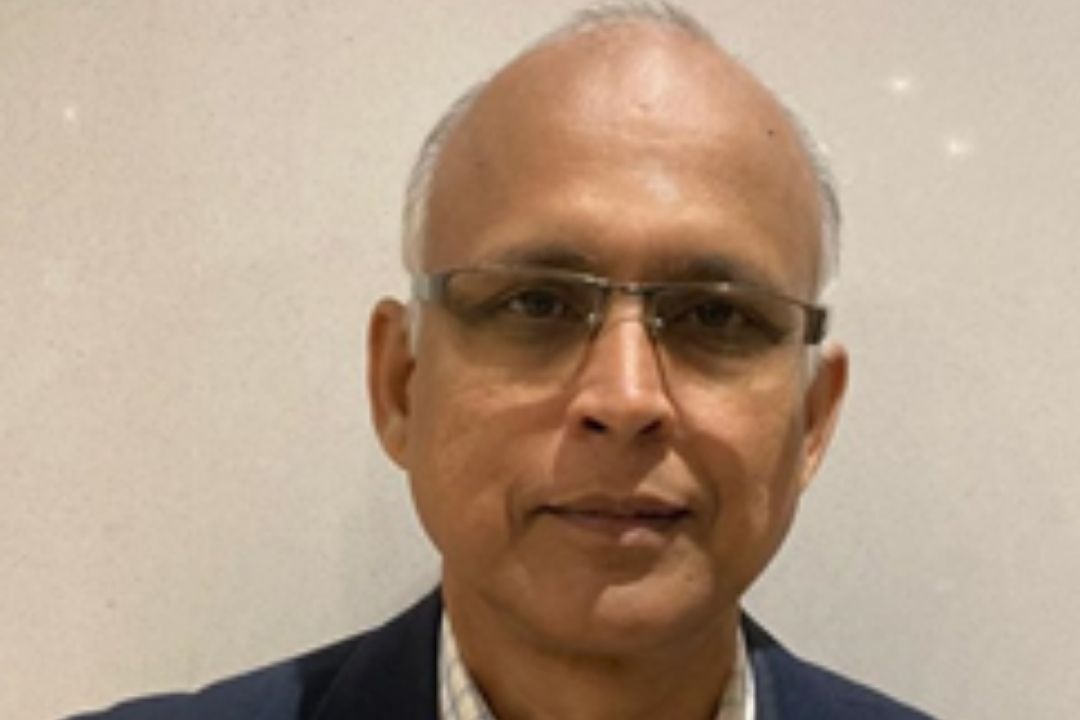
K. Raghavan, Society Chair of the ISHRAE Technical Committee (ITC), said heatwaves have evolved from seasonal events into recurring challenges that demand a coordinated response from individuals, communities and institutions alike. He noted that relatively simple interventions, including improving indoor air movement through the combined use of ceiling fans and air conditioners, installing cool roofs, increasing shaded outdoor spaces and maintaining adequate hydration, can substantially reduce heat stress while improving energy efficiency.
The advisory encourages individuals to avoid prolonged exposure to direct sunlight during the hottest hours of the day, drink sufficient water, wear loose-fitting light-coloured clothing and operate air conditioners at 25°C or above while using ceiling fans to improve comfort and reduce electricity consumption.
For commercial buildings, residential complexes, schools and public institutions, ISHRAE recommends adopting passive cooling strategies such as reflective roof coatings, enhanced natural ventilation, tree plantation, shaded pedestrian areas and the creation of dedicated cooling spaces for vulnerable populations during periods of extreme heat. The organisation also emphasises that sustainable cooling solutions should become an integral part of future urban planning and building design as Indian cities continue to face rising temperatures and rapid urbanisation.
Beyond publishing technical guidance, ISHRAE continues to expand industry engagement through initiatives that promote innovation, sustainability and professional development. Upcoming programmes include the Shakti initiative, which encourages greater participation of women professionals in the built environment sector, alongside preparations for ACREX India 2027, one of the country’s leading exhibitions and conferences focused on heating, ventilation, air conditioning and refrigeration technologies.
Established in 1981, ISHRAE is India’s premier professional society for the built environment, representing more than 25,000 professionals and students nationwide. Through research, standards development, education and public awareness initiatives, the organisation continues to advance energy-efficient, healthy and climate-resilient building practices across the country.