Stuttgart: Artificial intelligence (AI) is steadily moving from experimental pilot projects to practical industrial deployment with manufacturers increasingly integrating AI into production, design, maintenance and customer-facing operations, feel industry experts ahead of AMB 2026, one of the world’s leading exhibitions for metalworking technologies. The growing role of AI will be a major focus at AMB 2026, scheduled to be held in Stuttgart, Germany, from September 15 to 19. The event will spotlight three key themes shaping the future of manufacturing —automation, the circular economy and artificial intelligence.
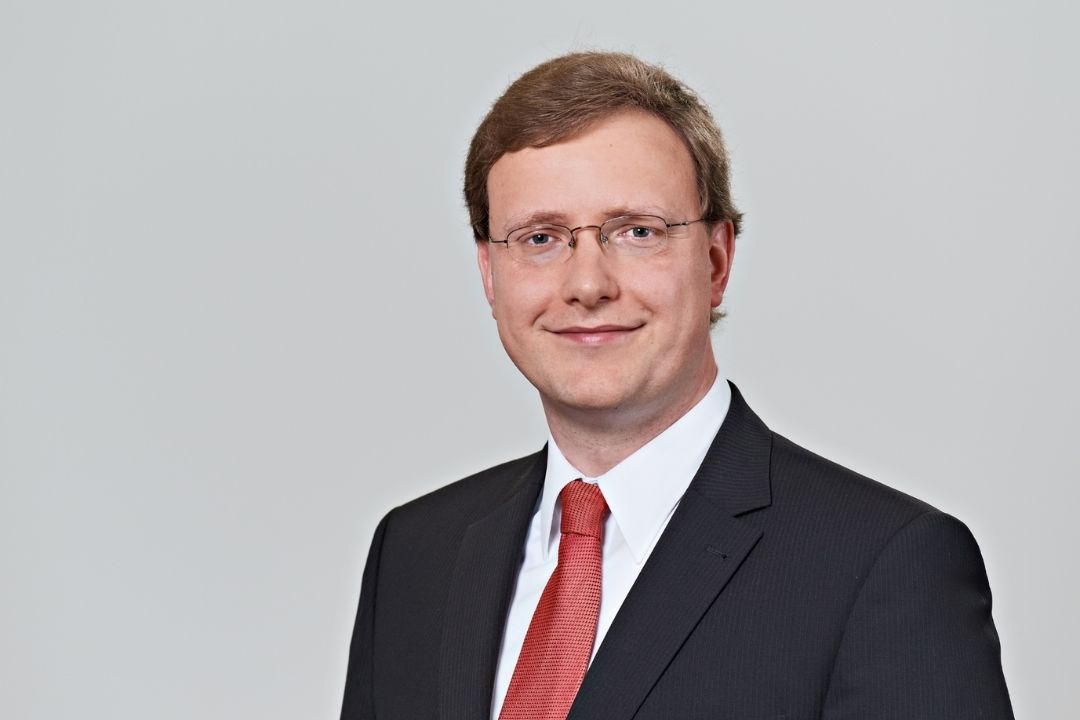
Speaking ahead of the exhibition, Guido Reimann, Deputy CEO of VDMA Software and Digitalisation and Coordinator of the VDMA Artificial Intelligence Competence Network, said the manufacturing sector has progressed significantly in adopting AI since the previous edition of the exhibition in 2024. “More than 80 per cent of mechanical engineering companies now view AI as increasingly important while around one-third are already using AI in live operational environments,” Mr Reimann said, citing findings from a VDMA survey conducted earlier this year.
According to him, AI applications are no longer confined to experimentation and are increasingly being incorporated into day-to-day business functions. Current usage is concentrated in software development, engineering design, corporate management, IT operations, marketing and communications. Mechanical engineering companies are also expanding AI-driven capabilities in sales and customer support services.
Industry leaders believe the technology has the potential to deliver measurable gains across the manufacturing value chain. AI-powered solutions are helping companies reduce costs associated with technical documentation and operating manuals, optimise procurement processes, improve component standardisation and minimise unexpected machine downtime.
“In machine tool operations alone, cost reductions of between 10 and 20 per cent are achievable through AI-enabled predictive maintenance and operational efficiencies,” Mr Reimann noted. However, he cautioned that technology itself is rarely the biggest hurdle. Challenges such as organisational readiness, change management, workforce skills, integration issues and decision-making processes often slow implementation.
“Many AI projects fail not because of technological limitations but due to organisational and cultural barriers. Companies must be able to identify unsuccessful pilot projects early and redirect resources towards initiatives that create tangible business value,” he said.

Visitors to AMB 2026 are expected to see a wide range of AI-enabled solutions, from advanced software platforms to intelligent machine tools and production systems. Reimann said software developers and machine manufacturers alike are increasingly embedding AI into products and services designed specifically for metal-cutting and precision engineering applications.
Looking ahead, he believes manufacturers must closely monitor several emerging technologies, including industrial AI, digital twins, open-source software, humanoid robotics, quantum computing and evolving regulatory frameworks such as the European Union’s AI Act. “Digital technologies are no longer limited to improving internal processes. They are increasingly shaping entire business models. Companies that recognise these opportunities early will be better positioned for long-term success,” he said.

To encourage industry-wide dialogue, AMB 2026 will host dedicated sessions on artificial intelligence. Experts from industry and academia will discuss practical applications, implementation challenges and future developments during special events focused on AI in manufacturing and production.
Held since 1982, AMB has established itself as one of the most important global platforms for the metalworking industry, bringing together manufacturers, technology providers and industry stakeholders to showcase the latest innovations and trends shaping the future of production.