Tata Motors has released its 11th Annual Social Responsibility Report, titled “Expanding Circles of Care: Deeper Connections, Lasting Impact.” The report outlines the company’s community-focused efforts, which supported more than 1.47 million people across India during the 2024–25 financial year. Notably, more than half of those who benefited were from Scheduled Caste and Scheduled Tribe communities.
This year, the company focused on long-term solutions, especially in areas affected by climate issues and social inequality. Active in 109 of India’s most underdeveloped districts, Tata Motors is working on models that can be expanded and adapted to local needs, while aligning with national priorities.
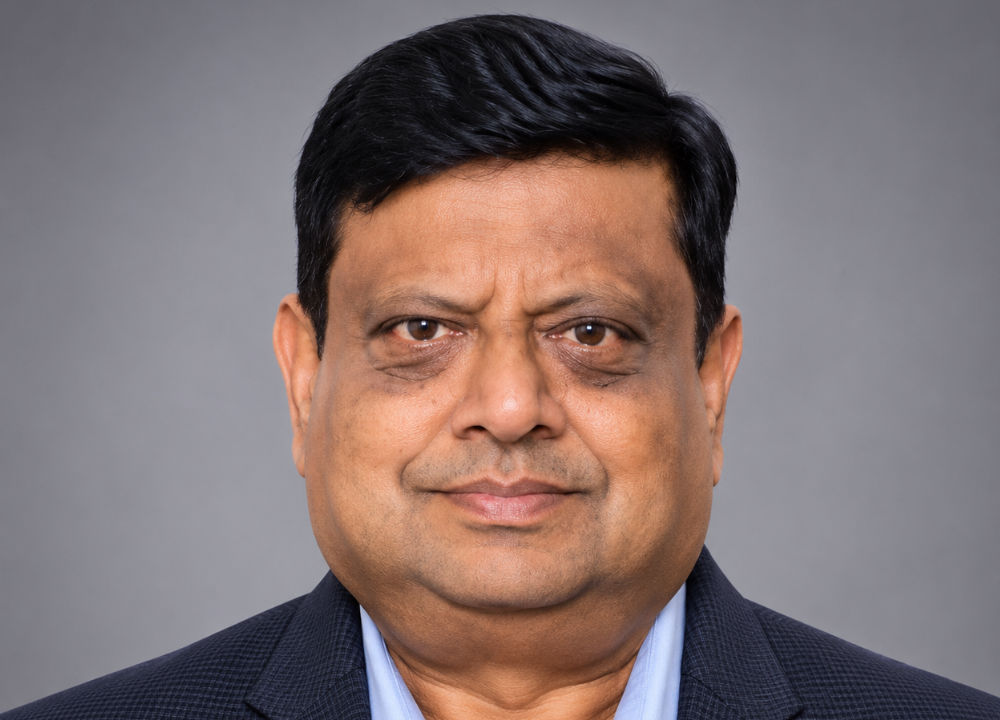
Vinod Kulkarni, Head of CSR at Tata Motors, said, “Bringing those on the margins into the mainstream is our focus. From improving livelihoods to restoring natural resources, our work is built on fairness, efficiency, and real-world impact. We also make full use of existing government programs to reach more people.”
With two-thirds of rural Maharashtra facing drought this year, Tata Motors helped restore 356 water bodies across 10 districts. This added 7 billion litres of water storage, supporting 7,000 farmers and nearly 300,000 villagers. The project combined community ownership, government support, and digital tools for tracking progress. For FY26, the goal is to revive 1,000 water sources across more than 25 districts.
Since 2018, the Integrated Village Development Programme (IVDP) has helped build basic infrastructure in rural areas. This year, it expanded to Shravasti and Balrampur in Uttar Pradesh—two of India’s most underdeveloped districts. In total, the program is now active in 16 gram panchayats across three states and has improved the lives of over 18,000 people in Maharashtra’s tribal regions. The work is linked to 13 of the United Nations’ Sustainable Development Goals.
In Pune, the company worked with the Kashtakari Panchayat to help 8,000 waste picker families. Over 1,800 women got access to health services, and children received support for schooling and skills training. Four young adults even joined Tata Motors under the National Apprenticeship Promotion Scheme.
In another effort, 47 bonded labourers were rescued in Maharashtra in partnership with Nirmaan NGO. The company also set up a help center in Bhosari that has assisted over 12,000 migrant workers with legal and welfare services.
Tata Motors hired 141 people with disabilities and 17 transgender individuals across its factories this year. The hiring was backed by awareness campaigns, proper training, and policies to make the workplace more inclusive.
Through its ENABLE programme, over 19,000 students were coached for competitive exams. Out of 8,000 who took the JEE Mains, 28% passed. In Mumbai, extra coaching in 69 public schools helped boost the SSC pass rate to 96%, which was above the city average.
In Trombay, Mumbai, over 1,000 children were screened for malnutrition. The result: a 90% drop in severe and moderate cases. The program also educated parents about nutrition and set up community health libraries.
More than 19,000 Tata Motors employees volunteered this year, putting in over 200,000 hours for various causes—from health awareness and environmental efforts to disaster response. This reflects a strong culture of employee involvement in community work.
Tata Motors says it will continue to strengthen its social impact by working closely with local communities and government bodies. The company plans to scale up proven models that bring real, lasting change—especially in areas that need it most.