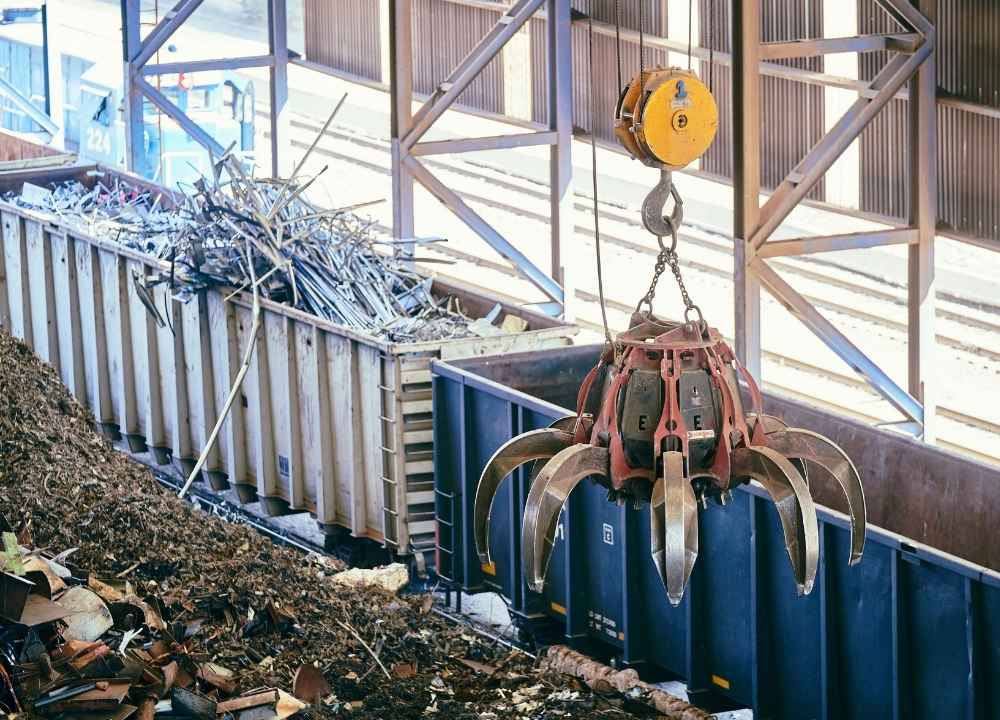
Industry stakeholders have urged the Ministry of Finance to address an unintended anomaly in customs duty structure by extending NIL customs duty benefits to Zinc Dross in line with the Government of India’s strong push towards recycling, circular economy and sustainable manufacturing. The appeal comes after the Union Budget 2025 abolished customs duty on Zinc Scrap to encourage recycling-led industrial growth and improve manufacturing competitiveness. However, Zinc Dross, a globally recognised and widely traded form of Zinc Scrap, continues to attract 5% customs duty despite serving the same industrial and recycling purpose.
Industry experts pointed out that Zinc Dross has historically been treated and traded as Zinc Scrap across international recycling markets and is recognised under global recycling standards, including those prescribed by the Institute of Scrap Recycling Industries (ISRI). Several Indian public and private sector companies also classify and utilise Zinc Dross as recyclable Zinc Scrap.
Containing over 92% metallic zinc, Zinc Dross is extensively recycled for the manufacture of Zinc Oxide, a critical raw material used across multiple sectors including tyres, rubber products, healthcare applications, ceramics, paints, pigments and fertilizers.
According to industry representatives, the continued imposition of 5% customs duty on Zinc Dross runs contrary to the broader policy objective of promoting recycling and reducing dependence on virgin natural resources. While countries such as Thailand, Singapore and Malaysia levy nil customs duty on zinc dross, India’s prevailing net customs duty of 2.5% can place domestic industry at a relative disadvantage in the international market, highlighting the need for a balanced policy approach that supports both industry competitiveness and the government’s revenue objectives.
“The Government has taken a highly progressive step by removing customs duty on Zinc Scrap to strengthen India’s recycling ecosystem and support manufacturing. However, Zinc Dross, which is universally recognised as a recyclable form of Zinc Scrap, continues to face a 5% customs duty. Rationalising this anomaly will significantly benefit downstream industries, particularly MSMEs, while advancing the objectives of circular economy and Make in India,” experts say.
Anirudh Jhunjhunwala, Director, MRAI and Managing Director & CEO, JG Chemicals Ltd., said, “Zinc Dross is an important recyclable secondary zinc resource that plays a crucial role in the domestic Zinc Oxide value chain. The continuation of customs duty on Zinc Dross creates avoidable cost pressures for Indian manufacturers despite the Government’s larger vision of promoting recycling and sustainable manufacturing. Extending NIL customs duty to Zinc Dross will improve competitiveness for domestic industry, support MSMEs and strengthen India’s position as a responsible recycling-driven economy.”
Zinc Dross is an important recyclable secondary zinc resource that plays a crucial role in the domestic Zinc Oxide value chain. The continuation of customs duty on Zinc Dross creates avoidable cost pressures for Indian manufacturers despite the Government’s larger vision of promoting recycling and sustainable manufacturing. Extending NIL customs duty to Zinc Dross will improve competitiveness for domestic industry, support MSMEs and strengthen India’s position as a responsible recycling-driven economy.” Industry stakeholders highlighted that the additional duty burden is leading to increased raw material costs for domestic Zinc Oxide manufacturers, reducing their global competitiveness and ultimately increasing costs for downstream industries.
A senior committee member associated with the recycling industry said, “Zinc Dross is not a waste material but a valuable secondary zinc resource that is extensively recycled in India. The continued duty on Zinc Dross creates an uneven playing field and increases input costs across sectors linked to healthcare, fertilizers, rubber and ceramics. Extending NIL customs duty to Zinc Dross would provide immediate relief to manufacturers and further strengthen India’s sustainable industrial growth agenda.”
Industry experts further noted that removal of customs duty on Zinc Dross would help improve raw material availability for domestic recyclers, reduce production costs, support resource efficiency and reinforce India’s commitment towards environmentally responsible manufacturing practices.
The recycling industry has therefore urged the Ministry of Finance to immediately align the customs duty structure for Zinc Dross with Zinc Scrap and extend the NIL customs duty benefit ensuring policy consistency and supporting the Government’s vision of recycling-led economic growth.