Meltio, a global leader in wire-laser metal additive manufacturing, has confirmed 2025 as a decisive year for the industrial adoption of Directed Energy Deposition (DED) technology across multiple sectors. Over the course of the year, the company demonstrated that wire-based metal additive manufacturing has progressed from pilot programs and controlled environments into full-scale industrial use, delivering measurable gains in productivity, cost efficiency, and supply chain resilience for manufacturers worldwide.
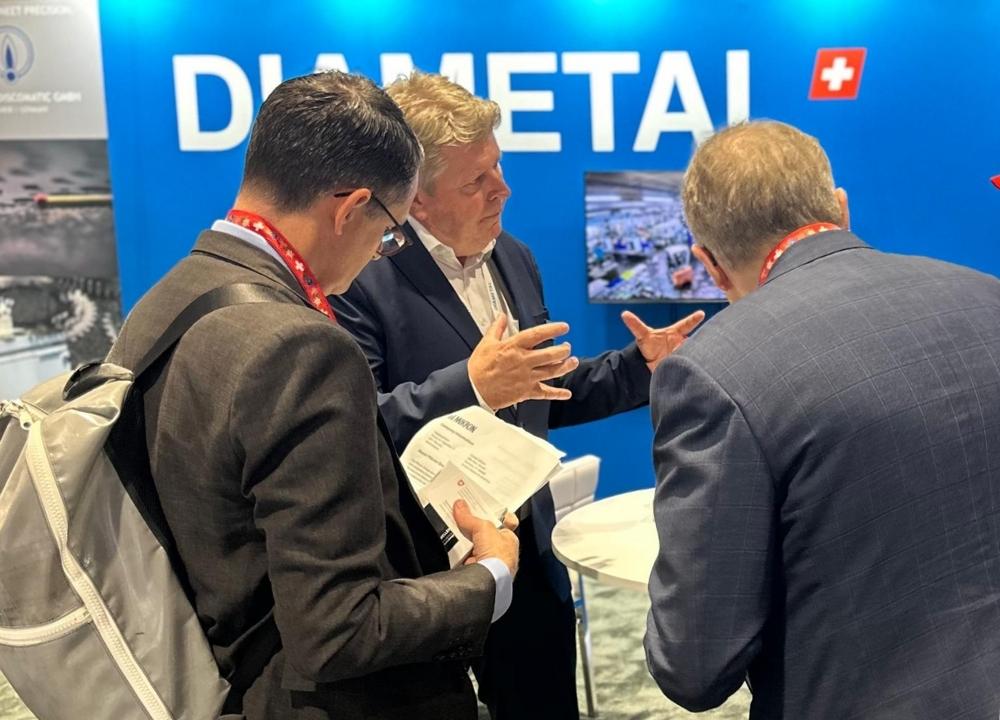
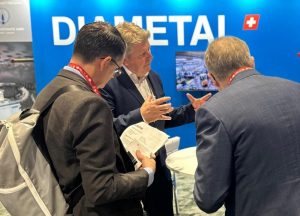
Throughout 2025, Meltio strengthened its industrial footprint by participating in a broad range of international trade events spanning both additive manufacturing and conventional production sectors. By exhibiting at MilAM, Rapid + TCT, EMO Hannover, and Formnext, the company engaged directly with manufacturers from the automotive, defence, mining, naval, oil and gas, and heavy industry sectors. These platforms enabled Meltio to present validated data and real production outcomes, reinforcing confidence in wire-laser metal deposition as a reliable solution for manufacturing and repairing critical metal components.
A key milestone during the year was the opening of Meltio’s first international reference site in Danville, Virginia, in partnership with Fastech. The facility was established to provide hands-on access to Meltio’s industrial systems, including the Meltio M600 metal 3D printer and the Meltio Robot Cell, allowing customers to witness real components being produced under industrial conditions. The reference site also serves as a hub for collaboration with North American customers and partners, supporting localized production strategies and reducing dependence on extended global supply chains.
Defence applications featured prominently during Meltio’s 2025 demonstrations, reflecting growing interest from military organisations seeking to improve operational readiness and equipment sustainment. The company showcased the deployment of its systems in real defence environments, including use cases involving the U.S. Navy and the Republic of Korea Marine Corps. One such example demonstrated the restoration of a critical reverse osmosis pump aboard a naval vessel in just 34 hours, significantly outperforming traditional procurement timelines and highlighting the value of on-site metal manufacturing in constrained or remote settings.
In parallel, Meltio continued to expand its role in industrial production for high-volume and cost-sensitive sectors. Case studies presented during EMO Hannover and Formnext illustrated how wire-laser metal deposition can reduce material usage, shorten production cycles, and improve return on investment when compared with forging, casting, or extensive machining. These results supported the adoption of Meltio’s technology for functional components, tooling, and repair operations by major industrial manufacturers, including those in the automotive sector.
Supply chain resilience emerged as a consistent theme across Meltio’s activities in 2025. For industries such as oil and gas, where downtime can result in significant financial losses, Meltio demonstrated how on-demand production and repair of metal parts can provide greater autonomy. By enabling components to be manufactured or restored directly at or near the point of use, Meltio’s systems help companies mitigate logistical risks and reduce lead times from months to days.
Central to these advances was the continued rollout of the Meltio Engine Blue, a system equipped with a 1.4 kW blue laser designed to process reflective materials such as copper and aluminium more efficiently than conventional infrared solutions. The technology delivered faster deposition rates and lower energy consumption while expanding the range of materials and applications available to manufacturers. Demonstrations during the year included multi-material components produced for naval, defence, and industrial use, underscoring the versatility of the platform.
Beyond technology and applications, 2025 marked a period of global growth for Meltio, driven by increasing demand for practical and scalable metal additive manufacturing solutions. The company expanded the number of real-world deployments across automotive, defence, aerospace, mining, and energy sectors, reinforcing its position as a provider of production-ready systems rather than experimental tools.
Commenting on the year’s progress, Lukas Hoppe, Head of R&D at Meltio, said that manufacturers are increasingly turning to metal additive manufacturing to secure parts availability, reduce costs, and maintain operational continuity. He noted that installing Meltio systems directly within workshops and machine shops enables customers to respond quickly to production and repair needs while gaining greater independence from fragile supply chains. As industries continue to adapt to evolving economic and logistical pressures, Meltio enters 2026 with a growing portfolio of validated applications and a clear focus on enabling industrial autonomy through wire-laser metal additive manufacturing.
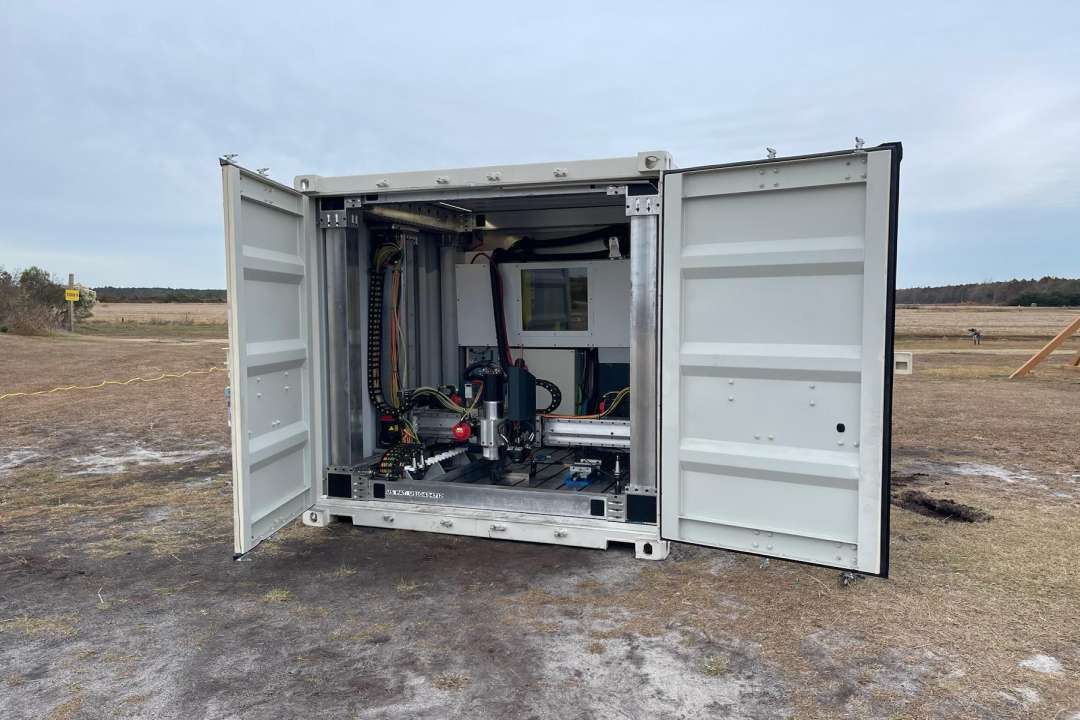
Meltio develops and manufactures industrial metal additive manufacturing systems based on wire-laser metal deposition technology, a segment of Directed Energy Deposition (DED). The company’s portfolio includes the Meltio M600 industrial metal 3D printer, the Meltio Engine Blue, integration kits for CNC machines and robotic arms, and the Meltio Robot Cell — a turnkey, containerised solution for robotic metal deposition. Meltio’s mission is to make metal additive manufacturing a dependable, accessible, and cost-effective industrial tool for production and repair environments worldwide.