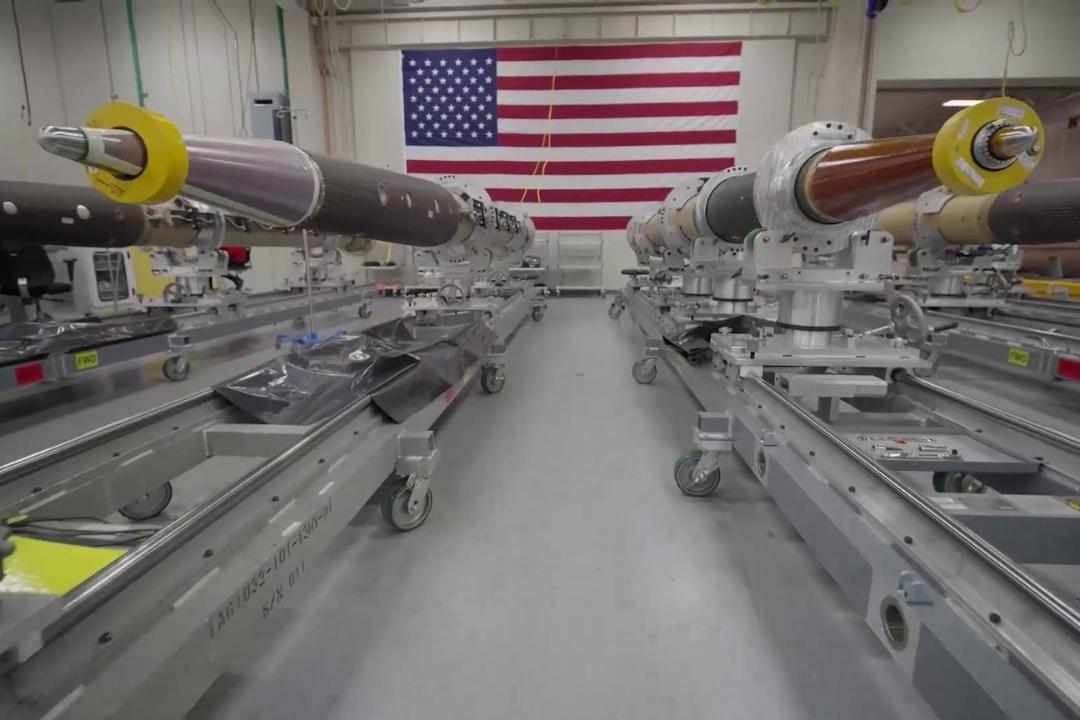
Lockheed Martin has secured a seven-year contract action worth up to $35 billion from the U.S. government to significantly increase production of Terminal High Altitude Area Defense (THAAD) interceptors. The long-term award is expected to quadruple manufacturing capacity for the advanced missile defense system while strengthening the U.S. defense industrial base and enhancing readiness for evolving security challenges.
The agreement represents one of the first major multiyear procurement contracts awarded under the US Department of Defense’s Acquisition Transformation Strategy. It follows the framework agreement signed earlier this year between the government and Lockheed Martin, providing the long-term production visibility needed to expand manufacturing infrastructure, strengthen supplier networks and accelerate delivery schedules for the United States and allied nations.
The contract supports increased production of THAAD interceptors, which are designed to engage and destroy ballistic missile threats both inside and outside the Earth’s atmosphere. The system provides a vital layer of missile defense for protecting military forces, strategic assets and critical infrastructure against advanced missile attacks.
The latest award also builds on Lockheed Martin’s ongoing investments in expanding its manufacturing footprint across the United States. The company recently began construction of a new Munitions Production Center in Troy, Alabama, as part of a broader investment program exceeding $9 billion through 2030. The initiative includes the development and modernization of more than 20 production facilities nationwide to increase capacity for critical defense systems. In addition to the Alabama expansion, the company has established new facilities dedicated to advanced interceptor manufacturing and accelerated munitions production, supporting increased demand for next-generation defense capabilities.
Tim Cahill, President of Lockheed Martin Missiles and Fire Control, said the award reflects a shared commitment between the company and the US. government to modernize procurement practices while expanding the nation’s defense manufacturing capacity. He noted that the multiyear approach provides greater certainty for long-term investments, enabling faster production growth and more efficient delivery of critical missile defense capabilities.
The company has also continued to strengthen its domestic supply chain by working closely with suppliers to improve manufacturing resilience, reduce production bottlenecks and accelerate innovation across its operations. These efforts are intended to ensure sustained production capacity while addressing current and future defense requirements. Alongside manufacturing expansion, Lockheed Martin continues to increase hiring across engineering, advanced manufacturing and skilled technical trades, creating thousands of new employment opportunities in support of national defense programs.
The THAAD production program reinforces Lockheed Martin’s position as a leading supplier of advanced missile defense systems while supporting broader efforts to modernize U.S military capabilities. The expanded production capacity is expected to improve the availability of critical interceptors, enhance operational readiness and strengthen missile defense support for both domestic and allied security missions over the coming years.