Jindal Stainless, India’s leading stainless steel manufacturer, has released its FY26 Integrated Annual Report, titled The Metal of Progress. The Strength of Tomorrow, outlining its strategy to build a stronger, more sustainable and technology-focused stainless steel business. The report highlights the growing role of stainless steel in India’s infrastructure and manufacturing development. With durability, corrosion resistance and recyclability becoming increasingly important, stainless steel is being positioned as a key material for transport, water infrastructure, energy, defence, urban development and coastal projects.
Abhyuday Jindal, Managing Director, Jindal Stainless, said India’s next phase of development will require materials designed for long-term performance. He said the company’s FY26 strategy focused on sustainability, technology and capacity expansion while creating value for customers, communities and the country.
During FY26, Jindal Stainless commissioned its 1.2 million tonne per annum stainless steel melt shop in Indonesia ahead of schedule. This increased the company’s global melting capacity to 4.2 million tonnes per annum. The company also expanded downstream capabilities in India to support specialised applications.
Jindal Stainless continued to develop higher-value stainless steel products for defence, aerospace, railways, mobility and industrial applications. The company secured its first commercial aerospace order for India’s Small Satellite Launch Vehicle programme and continued development of specialised grades for demanding applications.
The company reported strong financial performance during FY26. Consolidated revenue stood at ₹42,955 crore, while EBITDA increased 19.2% year-on-year to ₹5,560 crore. Profit After Tax rose 27.4% to ₹3,185 crore. Finished goods sales reached a record 2.57 million tonnes, while net debt-to-equity remained at a low 0.15x.
Sustainability continued to be an important part of the company’s operating strategy. Jindal Stainless advanced work on its 315.6 MW solar-wind hybrid renewable energy project with Oyster Renewable Energy, its largest renewable energy investment to date. Renewable sources accounted for nearly 47% of electricity consumption at its Hisar and Jajpur facilities. The company maintained recycled scrap utilisation of around 70% in its Electric Arc Furnace-based production process and continued its efforts to reduce Scope 1 and Scope 2 emissions, with a long-term target of achieving Net Zero by 2050.
Jindal Stainless also expanded its community and skill development programmes. Initiatives including Swachhata Abhiyaan, Asmita, Sakhyam and Niramaya reached more than one lakh people, including over 57,000 girls and women through skill development programmes. Stainless Academy expanded its engagement with fabricators, students and industry professionals, reaching more than 82,000 people in the fabricator ecosystem. The company also strengthened consumer outreach through its first national campaign featuring actor Ranveer Singh, along with the expansion of Jindal Saathi and its Pragati loyalty programme.
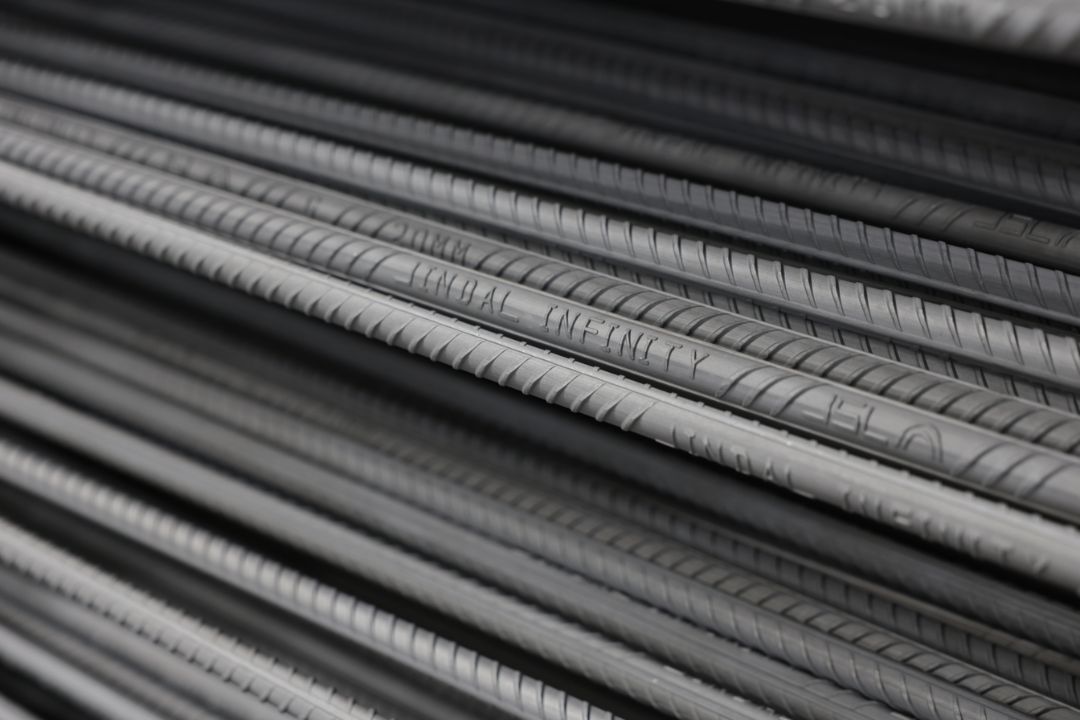
Founded in 1970, Jindal Stainless has an annual melt capacity of 4.2 million tonnes and operates 16 manufacturing and processing facilities in India and overseas. Its products include stainless steel slabs, coils, plates, sheets, precision strips, wire rods, rebars, blade steel and coin blanks.:::