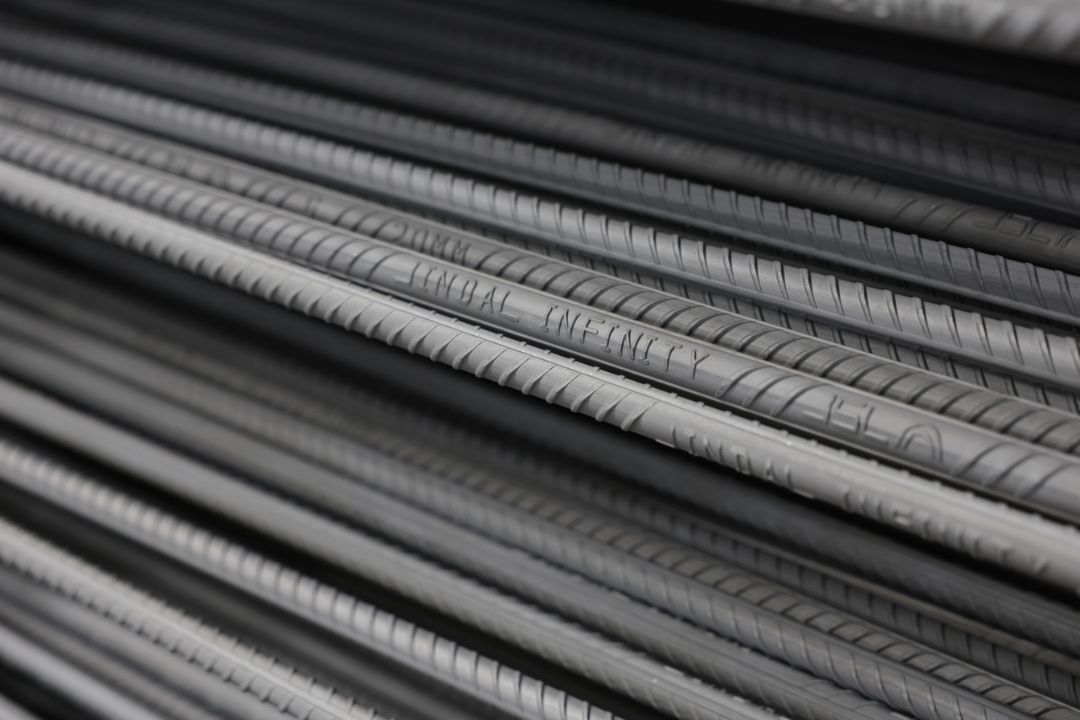
Jindal Stainless has supplied nearly 40% of the stainless steel used in the coach bodies of India’s first hydrogen-powered train, strengthening its contribution to the country’s clean mobility and railway modernisation initiatives. The company supplied its premium X5CrNi1810 austenitic stainless steel from its manufacturing facilities in Jajpur and Hisar for the project. The hydrogen-powered train is a major step in Indian Railways’ efforts to introduce environmentally friendly transport solutions and reduce carbon emissions.
Stainless steel has become the preferred material for modern railway coaches because of its strength, corrosion resistance, durability and safety. It also offers better crash protection, fire resistance and impact resistance while requiring lower maintenance throughout its service life. Its lightweight properties help improve energy efficiency, making it particularly suitable for next-generation transport systems such as hydrogen-powered trains.
Commenting on the development, Abhyuday Jindal, Managing Director of Jindal Stainless, said the future of transportation will depend not only on cleaner energy sources but also on advanced materials that improve efficiency, durability and sustainability.He said the company’s contribution to India’s first hydrogen-powered train reflects its commitment to supporting the country’s clean mobility goals and the vision of Atmanirbhar Bharat. He added that stainless steel has consistently proved its value in railway applications through its long service life, safety, strength and corrosion resistance. As India continues to invest in modern transport infrastructure, Jindal Stainless remains focused on supplying high-quality materials that support innovation and sustainable growth.
Jindal Stainless has been associated with Indian Railways for more than three decades and has supplied stainless steel for several important railway projects. These include the country’s first LHB coaches, the Vande Bharat Sleeper, India’s first Vande Metro train and several metro rail and inter-city train projects. The company has also supplied stainless steel for railway wagon bodies, including India’s first corrosion-resistant stainless steel salt containers used for freight transportation.
The company said the increasing use of stainless steel in railway applications reflects the industry’s focus on building safer, stronger and more sustainable transport infrastructure. Hydrogen-powered trains are expected to play an important role in reducing emissions from rail transport while offering quieter operations and improved energy efficiency. The use of lightweight stainless steel further improves performance by lowering operating costs, reducing maintenance requirements and extending the life of railway coaches.
Jindal Stainless believes the project highlights the growing role of stainless steel in shaping the future of transportation in India. From metro systems and high-speed rail projects to hydrogen-powered trains, the material continues to support the development of modern, energy-efficient and environmentally responsible transport solutions.
Founded in 1970, Jindal Stainless is India’s largest stainless steel manufacturer. The company operates 16 manufacturing and processing facilities across India and overseas, including Spain and Indonesia, and serves customers through a network spanning 12 countries. With an annual turnover of ₹42,955 crore in FY26, the company continues to expand its manufacturing capacity while focusing on sustainable steel production through electric arc furnace technology and recyclable manufacturing processes.