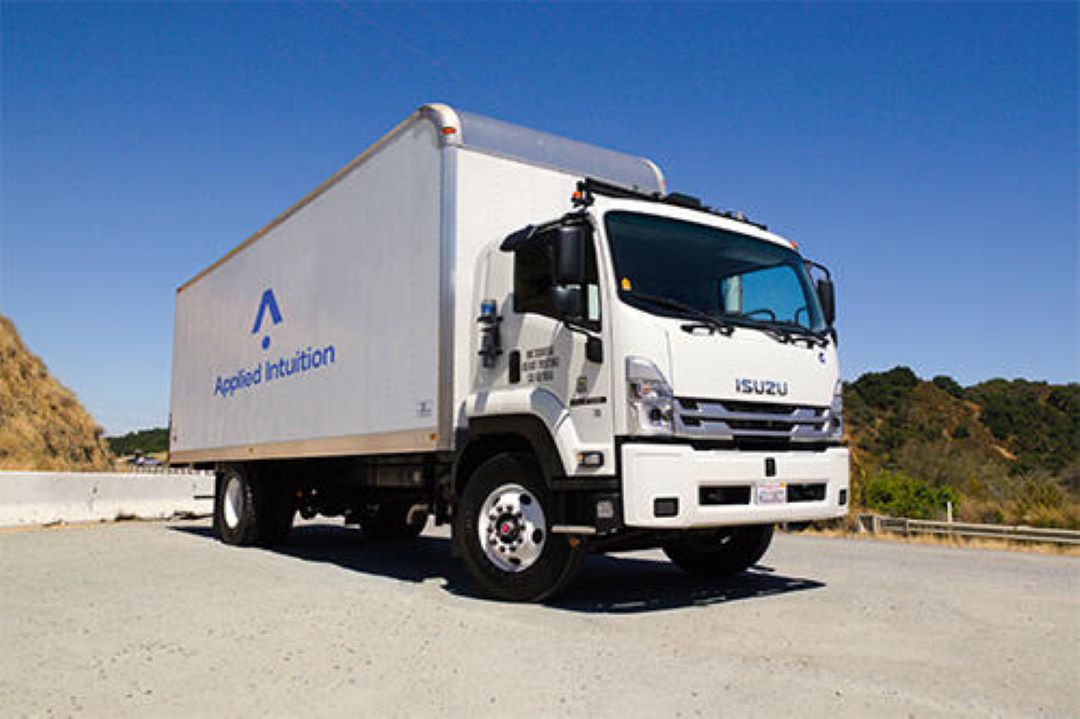
Isuzu Motors Limited and Toyota Motor Corporation have announced a collaboration to jointly develop Japan’s first mass-produced light-duty fuel cell electric truck. The new vehicle will combine Isuzu’s electric truck platform with Toyota’s next-generation fuel cell technology, with production targeted to begin in fiscal year 2027.
The upcoming model will be based on Isuzu’s ELF EV light-duty battery electric truck and will integrate Toyota’s third-generation fuel cell system. Both companies will work together to ensure seamless compatibility between the vehicle platform and the fuel cell system, while advancing technologies suited for the demanding requirements of commercial transport.
Light-duty trucks play a critical role in urban logistics, supporting deliveries to supermarkets, convenience stores and other essential services. These vehicles often operate for extended hours, covering long distances and making frequent stops, particularly when equipped with refrigeration or cold storage systems. Under such conditions, fast refueling and sustained performance are essential for maintaining operational efficiency.
Fuel cell electric vehicles (FCVs), powered by hydrogen, offer a practical solution for these high-utilization scenarios. Compared to battery electric vehicles, which require longer charging times, FCVs allow significantly faster refueling while delivering longer driving range. In addition, they operate with minimal noise and vibration and produce zero carbon dioxide emissions during use, contributing to reduced environmental impact.
The new truck will also incorporate enhancements aimed at durability and longevity, including the adoption of Toyota’s advanced fuel cell stack. Both companies are working to address one of the key challenges associated with fuel cell vehicles—cost—through improvements in design, manufacturing processes and system efficiency.
The collaboration builds on prior joint initiatives, including development work on fuel cell buses and pilot projects focused on integrating fuel cell trucks into real-world operations. Insights from these efforts are being applied to improve system reliability, durability and overall performance, ensuring the vehicle meets the rigorous standards required for commercial use.
As hydrogen infrastructure continues to expand with support from national and local governments, both companies are engaging with public and private stakeholders to promote the adoption of hydrogen-powered mobility solutions.
This partnership reflects a shared commitment to advancing low-emission transport technologies and supporting the transition toward a carbon-neutral logistics sector. By leveraging their combined expertise, Isuzu and Toyota aim to accelerate the practical use of hydrogen in commercial vehicles and contribute to the development of a sustainable mobility ecosystem.