India’s automotive aftermarket is entering a new stage of growth, supported by policy reforms, fresh investments and faster adoption of technology. Industry momentum is also being reflected in rising global interest in India as a dependable sourcing and manufacturing base for automotive components and aftermarket solutions.
According to the Automotive Component Manufacturers Association of India (ACMA), India’s auto component industry is valued at USD 80.2 billion in FY25, with the automotive aftermarket contributing USD 11.8 billion. The overall component industry is expected to expand significantly and is projected to reach USD 111–200 billion by 2030. With deeper localisation, stronger quality systems and increasing export opportunities, Indian companies are steadily building their position in global aftermarket supply chains.
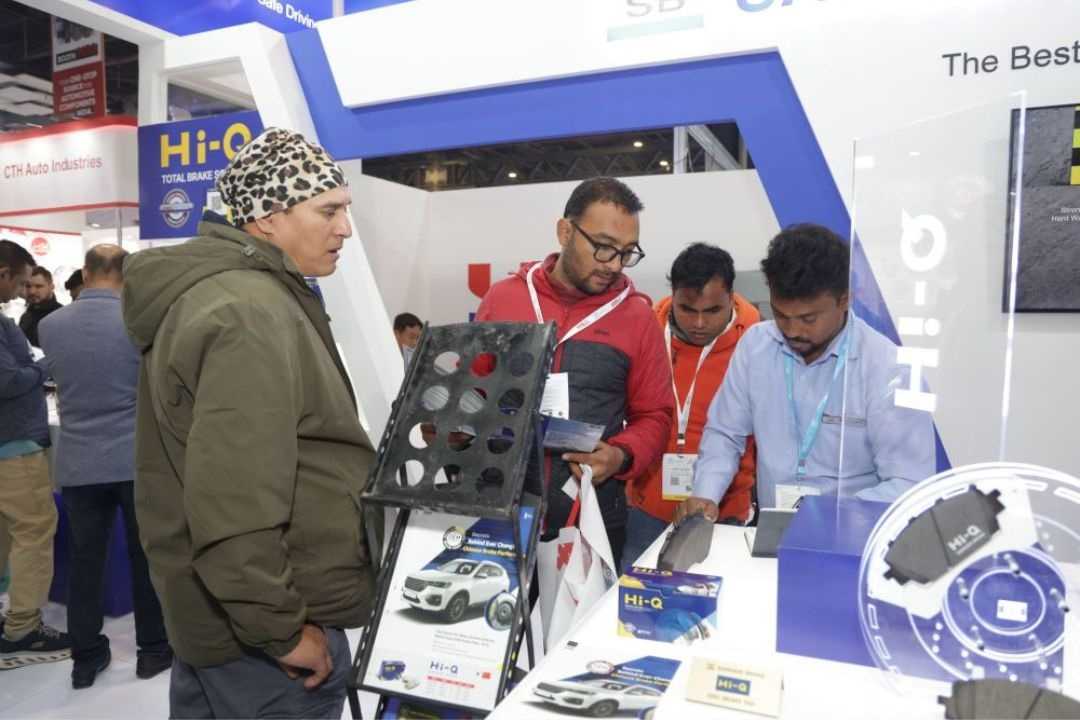
Against this backdrop, ACMA Automechanika New Delhi 2026, jointly organised by Messe Frankfurt Trade Fairs India and ACMA, will be held from 5 to 7 February 2026 at Yashobhoomi – the India International Convention and Expo Centre (IICC), Dwarka, Delhi. Now in its sixth edition, the exhibition will serve as a major international platform bringing together suppliers, buyers and service ecosystem partners from India and overseas.
The sector continues to attract investor confidence, driven by initiatives such as Make in India, Production Linked Incentive (PLI) schemes and foreign direct investment reforms. Industry estimates indicate sustained investments across capacity expansion, electric mobility, localisation and export-led manufacturing, reinforcing India’s growing relevance not only as a production hub but also as an innovation centre for future mobility solutions.
Raj Manek, Executive Director and Board Member, Messe Frankfurt Asia Holdings Ltd, said the event will highlight how India’s component and aftermarket sector is advancing in step with global direction. He noted that the exhibition will bring together large-scale participation focused on innovation, sustainability and clean-fuel ecosystems, with increasing international interest in India’s role in building cleaner and more efficient automotive value chains.
Vinnie Mehta, Director General, ACMA, said India’s aftermarket is moving toward a more organised structure with stronger quality focus and greater alignment with global standards. He added that the auto component industry grew 6.8 percent to Rs. 3.56 lakh crore (USD 41.2 billion) in the first half of FY26, supported by steady domestic demand, a strong aftermarket base and continued investment in localisation and technology upgrades. He said the show provides a key platform for stakeholders to engage with technology shifts, policy developments and international market opportunities.
The three-day expo will include knowledge sessions and industry discussions covering workshop operations, service models, e-commerce, live vehicle monitoring and other emerging trends. The show will feature solutions across spare parts, components, electronics, diagnostics, repair systems, workshop tools, EV charging equipment, vehicle care, lubricants and digital services.
The exhibition will host participation from 20 countries outside India, including Belgium, Cambodia, China, Germany, Hong Kong, Italy, Japan, Korea, Laos, Luxembourg, Malaysia, Poland, Slovenia, Spain, Sri Lanka, Taiwan, Thailand, Turkey, the UAE and the USA. Dedicated country pavilions will showcase manufacturing strength and collaboration opportunities across multiple sourcing markets.
Indian exhibitors include companies such as Advantec Wheels, Autel India, Banco Products, Elofic Industries, Gates Corporation, Mann+Hummel Filter, Minda Corporation, NRB Bearings, Schaeffler India, SKF India, Sumax Engineering, TATA Autocomp, Talbros Indiparts, ZF India and others. International exhibitors include AutoTuner, GMB, Horpol, Kamoi Kakoshi Co, Teknorot Otomotiv and more. ACMA Automechanika New Delhi 2026 is expected to underline the growing maturity of India’s aftermarket and its steady integration with global standards, supply chains and customer expectations.