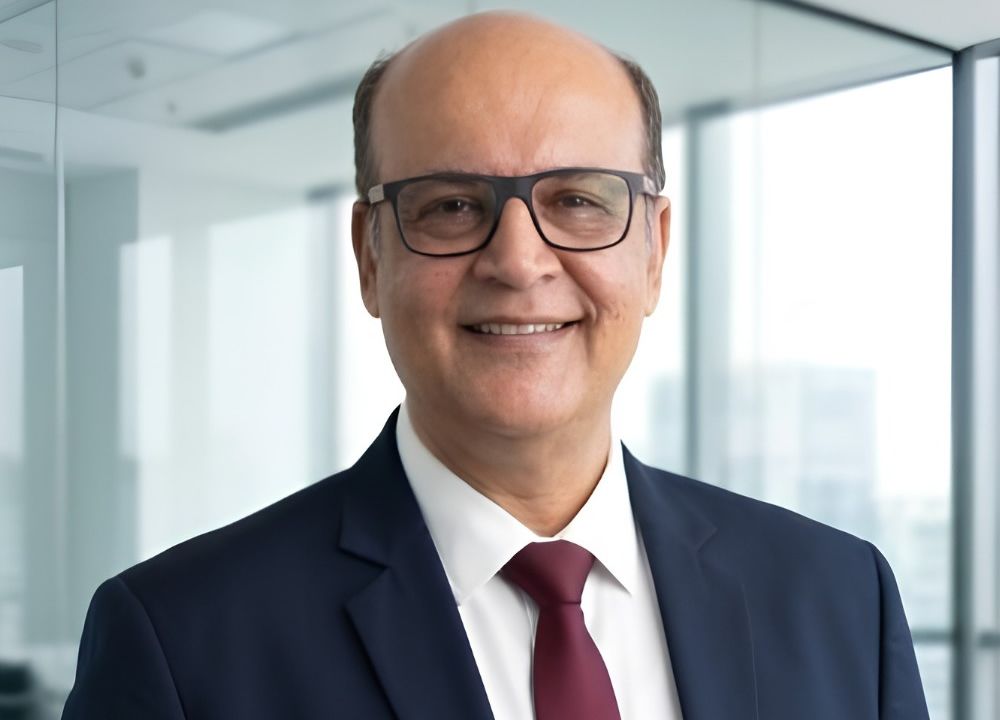
Vedanta Group Chairman Anil Agarwal has called for a national movement around privatisation, self-certification and resource exploration to accelerate India’s economic growth, generate employment and support the country’s goal of becoming a developed nation. In a post on X following the Prime Minister’s address to industry leaders at the Federation of Indian Chambers of Commerce and Industry (FICCI), Mr Agarwal urged the government and private sector to work together to make better use of India’s economic opportunities.
He outlined three major proposals aimed at improving industrial productivity, reducing regulatory delays and encouraging young entrepreneurs to participate in the country’s natural resource sector. Mr Agarwal said the government owns several valuable companies and assets across natural resources, energy, manufacturing and heavy industries. He believes transferring their management to the private sector could significantly improve productivity, expand production and create employment opportunities.
He proposed that any privatisation programme should include two conditions: there should be no retrenchment of existing employees, and employment in the privatised companies should increase threefold. He also suggested two possible approaches to privatisation: selling government shares to private companies or distributing shares among the public, following examples such as British Airways and British Petroleum.
Citing the development of India’s airports, ports, airlines, telecommunications, metals and hospitality sectors, Mr Agarwal said private sector participation had helped improve operations, increase employment and raise salaries. He added that similar opportunities existed in gold, copper, power, defence, engineering equipment and shipping. According to him, the revenue generated through privatisation could help the government reduce debt and invest more in infrastructure development.
Mr Agarwal said these assets would continue to remain national assets, even under private management, and that greater private sector participation could help India achieve higher levels of industrial growth. The second proposal focused on simplifying business regulations and reducing the time required to establish new industries.
Referring to the Prime Minister’s emphasis on trust, Agarwal said the government should replace lengthy approval procedures with a system based on self-certification. Under this approach, businesses could begin operations more quickly by certifying their compliance with prescribed rules.
He suggested that the government’s role should focus on establishing clear regulations and ensuring compliance through regular audits rather than requiring multiple approvals before businesses can start operations. According to Mr Agarwal, reducing procedural delays would encourage investment, help new industries come up faster and improve the ease of doing business.
The third proposal focused on India’s underground natural resources, including minerals, metals and hydrocarbons. Agarwal said exploration should become a major area of opportunity for start-ups and young entrepreneurs. Unlike mining and processing, which require substantial capital investment, exploration can be undertaken with relatively smaller investments.
He suggested that an investment of around ₹5 crore could be sufficient to establish an exploration start-up. However, he said the sector needs policy changes that allow independent explorers to sell their discoveries to larger companies capable of undertaking commercial mining and processing.
For instance, a start-up discovering oil could sell its findings to ONGC, while a company identifying mineral deposits could approach Hindustan Zinc. Large companies would then have the financial and technical resources to develop these discoveries into commercial projects.
Mr Agarwal pointed out that under the existing system, discoveries become government property, restricting the ability of private explorers to commercially benefit from their findings. He called for changes to this framework to encourage greater participation by private entrepreneurs.
He said opening up exploration could create opportunities for hundreds or even thousands of start-ups, while strengthening India’s ability to identify and develop its natural resources. Concluding his message, Mr Agarwal said India was at an important stage of its development, with significant opportunities for young people and women to contribute to economic growth.
Drawing a parallel with the national movement behind the slogan ‘Jai Jawan Jai Kisan’, which supported India’s journey towards food self-sufficiency, he called for a similar collective effort around privatisation, self-certification and exploration. He said these three measures could generate large-scale employment, increase incomes, improve industrial productivity and strengthen the Indian rupee.