

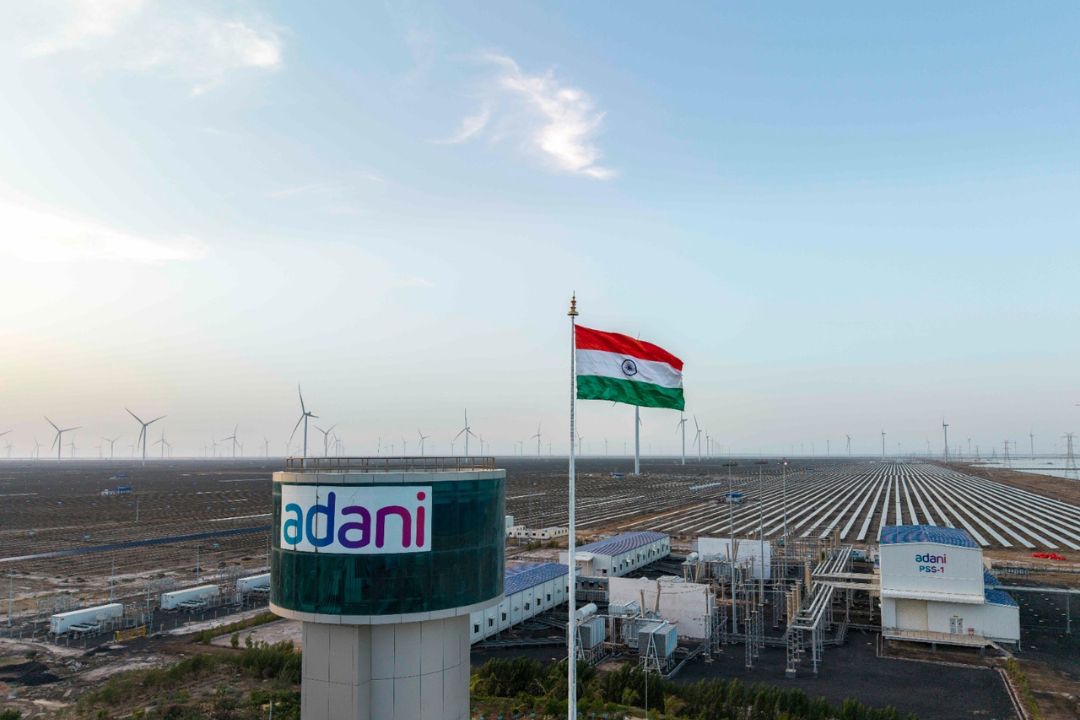
Adani Green Energy Limited (AGEL) has reported the addition of more than 5 gigawatts of renewable energy capacity during the financial year 2025–26, marking one of the largest greenfield expansions globally outside China. The milestone brings the company’s total operational capacity to 19.3 gigawatts, reinforcing its position as a leading player in the renewable energy sector.
The newly added capacity includes a diversified mix of solar, wind, and hybrid energy solutions, reflecting a balanced approach to clean energy development. This expansion is expected to offset approximately 10 million tonnes of carbon emissions annually, contributing significantly to environmental sustainability. Overall, AGEL’s operational portfolio is now estimated to offset around 36 million tonnes of carbon emissions each year.
A substantial portion of the capacity addition has been achieved at the Khavda site in Gujarat, where the company is developing what is set to become the world’s largest renewable energy installation. Spread across 538 square kilometres, the project represents a large-scale effort to harness renewable resources in a region characterized by challenging terrain. The company has already installed over 9 gigawatts of capacity at the site, progressing toward its long-term target.
The project incorporates advanced technologies to maximize efficiency and output. These include bifacial solar modules capable of generating power from both direct sunlight and reflected light, as well as solar tracking systems that optimize energy capture throughout the day. High-capacity wind turbines further enhance generation capabilities, while automated cleaning systems reduce water usage and improve operational performance.
In addition to generation capacity, the company has also deployed battery energy storage systems at the site, supporting grid stability and enabling better integration of renewable energy into the power network. This combination of generation and storage strengthens the reliability and scalability of clean energy solutions.
The achievement marks a significant step toward the company’s goal of reaching 50 gigawatts of capacity by 2030. It also highlights the growing role of large-scale renewable projects in supporting energy security and accelerating the transition to a low-carbon economy.
AGEL continues to emphasize sustainable practices across its operations, integrating environmental and social considerations into its growth strategy. The company’s progress reflects a broader shift toward cleaner energy systems and demonstrates the potential of renewable infrastructure to drive long-term economic and environmental benefits








