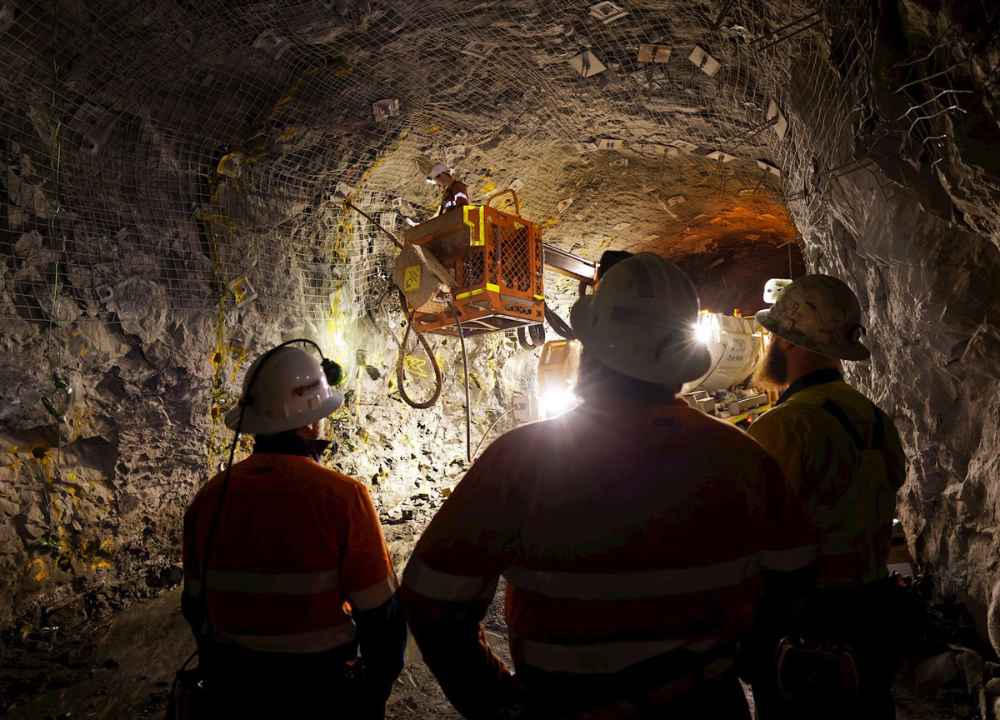
ABB has completed a major electrical maintenance and modernisation programme at Dyno Nobel’s ammonium nitrate plant in Moranbah, Australia. The work included lifecycle maintenance, digital monitoring capabilities and resilience planning to strengthen the electrical infrastructure supporting the facility, which manufactures explosives products used in the country’s resources industry.
The project was carried out during the plant’s 2025 major shutdown, known as a turnaround, which takes place every four years. The programme combined extensive maintenance with targeted equipment upgrades and required coordination across multiple teams. The shutdown lasted just over 45 days, with nearly 900 personnel working on site at peak periods.
Dyno Nobel Turnaround Manager James Balderson described the project as “a benchmark event, and the best turnaround they’ve ever worked on.” ABB’s Electrification Service team managed the turnaround budget and cost-control framework, providing forecasting, reporting and performance dashboards. It also led the emergent work and completion team during execution.
“For a project of this scale, the work before the shutdown is just as important. It sounds like a cliché, but preparation is everything,” said Henry Lin, Digital Solutions Manager, Electrification Service, ABB in Australia. The electrical upgrade, led by ABB Project Manager Helen Yu, included more than 100 MStart modules and 30 MNS iS motor control centre modules, along with improvements to protection and control relays and the installation of new switchgear components.
The installation of ABB’s MNS iS low-voltage digital switchgear strengthens the control and protection of electric motors used to distribute power across the plant. Smart sensors measure current, voltage and contact temperature, providing operators with information needed to monitor equipment performance.
The project also involved replacing older relays with ABB’s REF615 protection relays. These protect electrical circuits against overcurrents, earth faults and arc flashes, while providing real-time measurement and supervision of current and voltage. The relays can also integrate with digital distributed control systems. ABB completed detailed inspections and maintenance of the site’s low- and medium-voltage switchgear.
“This modernisation project really future-proofs the electrical infrastructure powering the plant, with ABB’s digital technology and thorough maintenance ensuring it operates at peak performance, with maximum safety and minimal stoppages,” said Mr Yu. The digital monitoring capabilities are expected to support Dyno Nobel’s shift towards proactive maintenance. Real-time condition data can help identify equipment issues before they develop into failures, allowing maintenance to be scheduled according to actual operating conditions and reducing the risk of unplanned downtime and costly repairs.
The MStart motor starter modules and withdrawable relays feature plug-in designs to simplify maintenance, testing and replacement. ABB also retrofitted the new relays while retaining their surrounding frameworks. Replaced relays and components from the MNS iS system are being kept as spare parts.
During execution, ABB’s team addressed discrepancies between site panels and engineering drawings and made additional improvements to the relay protection system. The work was completed on schedule and within budget, avoiding the projected cost overrun. This was ABB’s fourth turnaround collaboration at the Moranbah facility. Equipment was successfully re-energised after the shutdown without interruption to service.
Balderson said the project recorded zero safety incidents across 185,326 man-hours. He credited the coordination between the teams and their shared focus on safety, quality, cost, schedule and resource management for the successful completion of the turnaround.
Greensole Foundation works to create social and environmental impact through circularity and responsible resource use. It collects discarded footwear, clothing and textiles and repurposes them into products such as school bags, mats and slippers. Its initiatives focus on reducing waste while supporting underserved communities and promoting a more sustainable and inclusive future.