ABB has announced a major expansion of its manufacturing and technology operations in Bengaluru, reinforcing the company’s long-standing presence in Karnataka and strengthening its commitment to India’s industrial and infrastructure development. The global technology company is developing new manufacturing facilities, service centers and technology capabilities across its Electrification, Motion and Automation business segments.
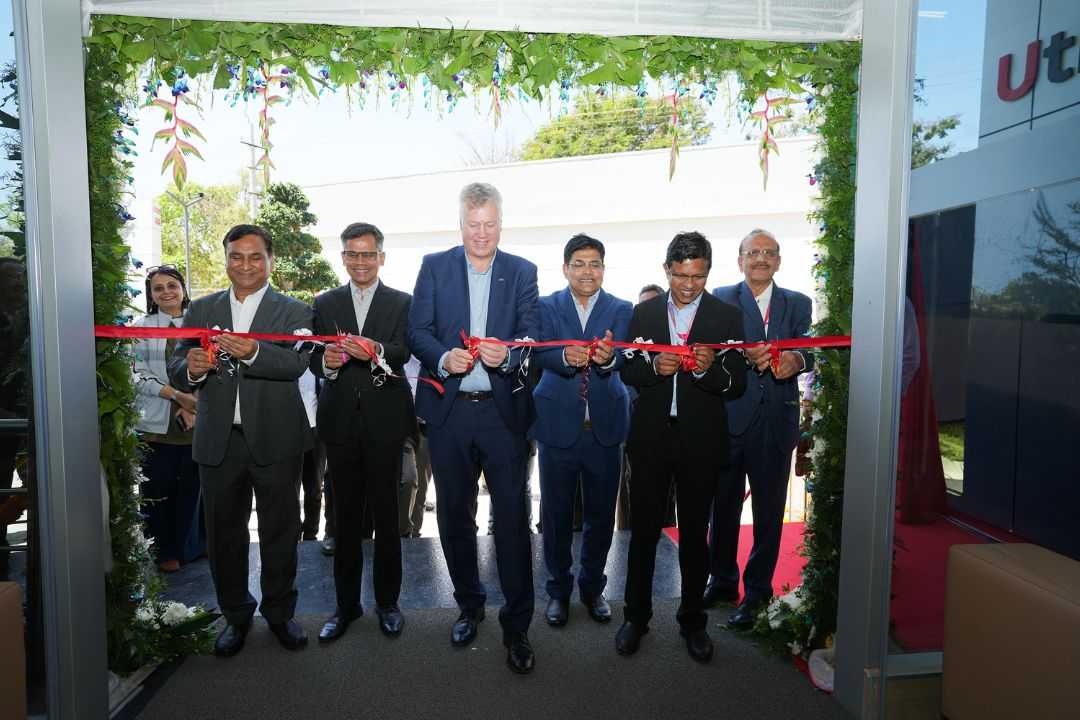
ABB Group CEO Morten Wierod recently led the groundbreaking ceremony for a new integrated Motion manufacturing facility in Peenya, while also inaugurating the Electrification and Automation Nelamangala Campus 2 located on Kunigal Road. With these additions, ABB will operate three major manufacturing locations with multiple production facilities in Karnataka, employing more than 3,000 people across its manufacturing operations in the state.
Sanjeev Sharma, Country Head and Managing Director of ABB India, said the expansion reflects the company’s long-term commitment to strengthening local manufacturing and supporting industrial growth in India. “This investment reinforces ABB’s local-for-local strategy and enables us to deliver advanced technologies closer to our customers,” Mr Sharma said. “By expanding our capabilities in Karnataka, we are supporting industries in improving energy efficiency, digitalizing operations and strengthening infrastructure development.”
At the Peenya campus, ABB’s Motion division is adding two new manufacturing facilities covering approximately 6,100 square meters. Once fully operational, the site will employ around 300 people.The facility will manufacture a range of energy-efficient electric motors, including flameproof designs, roller table motors and large smoke ventilation motors. Production will also include low-voltage drives and programmable logic controllers.
In addition to manufacturing, the campus will host a service and training center equipped with digital tools and remote diagnostics to assist customers throughout the lifecycle of their equipment. ABB estimates that its installed base of high-efficiency motors and drives over the past 12 years has delivered annual energy savings of around 20 terawatt hours, equivalent to nearly half of Delhi’s yearly electricity consumption.
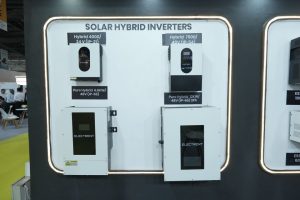
The company’s second facility at Nelamangala is a 16,470 square meter multi-business manufacturing hub supporting both Electrification and Automation operations. The site will produce a variety of technologies including smart power solutions, system interface units, gas analyzer systems, excitation systems and high-power rectifiers.
Manufacturing of power management solutions for data centers will expand significantly at this location. ABB said the facility will help scale production nearly tenfold to meet growing demand from data center infrastructure projects.
Currently, ABB’s low and medium voltage technologies support more than 30 percent of India’s hyperscale data centers. The Nelamangala campus will also support ABB’s “Make in India” initiatives by producing blending and excitation solutions for industries such as lubricants, paints and pulp and paper.
ABB recently announced plans to invest USD 75 million in 2026 to expand manufacturing and research and development capabilities in key sectors. The investment is expected to create more than 300 new skilled positions across engineering, operations and research functions. This investment follows the company’s 2025 capital expenditure of more than USD 35 million in India.
Karnataka has long served as a hub for technology talent across manufacturing, engineering and research. ABB’s continued investments are expected to strengthen the regional industrial ecosystem while supporting supplier networks and specialized workforce development.
With more than 140 years of global experience and approximately 110,000 employees worldwide, ABB continues to develop technologies aimed at improving efficiency, productivity and sustainability across industrial sectors.