For five days, Hannover was the global hub for metalworking as EMO 2025 brought together the world’s top production technology companies. With over 80,000 professionals in attendance, the event offered a wealth of forward-looking solutions aimed at strengthening industrial competitiveness. Key themes this year were automation and artificial intelligence, both seen as essential to improving efficiency and staying ahead in global manufacturing.
Celebrating five decades as a leading industry platform, EMO once again delivered on its promise of technology-driven networking and knowledge exchange. More than 1,600 exhibitors from 45 countries participated, presenting cutting-edge tools and systems designed to modernize production.
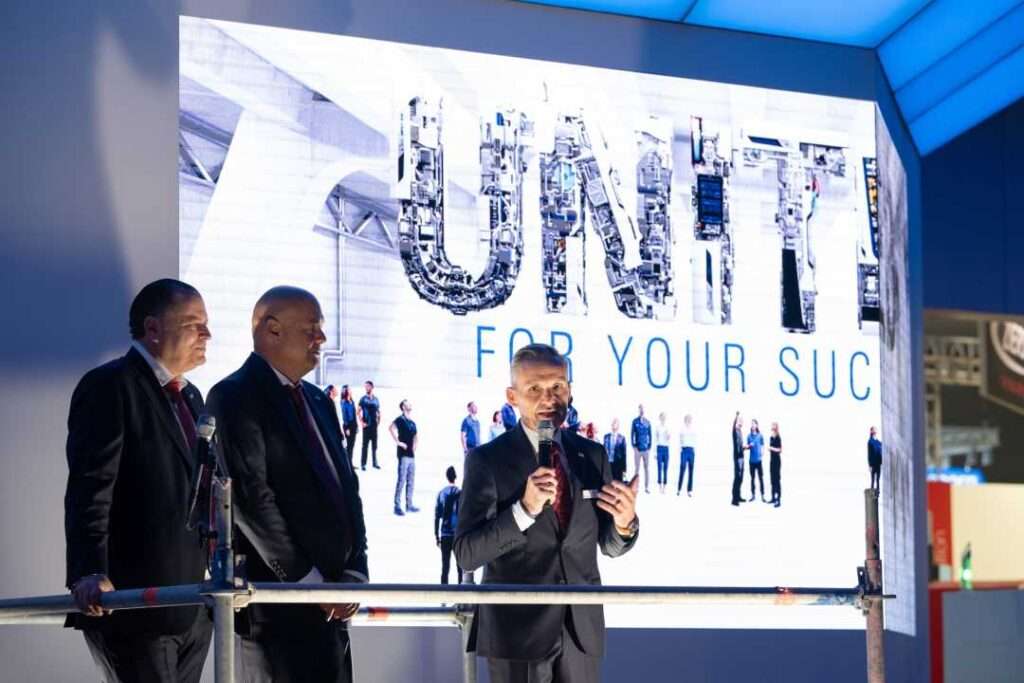
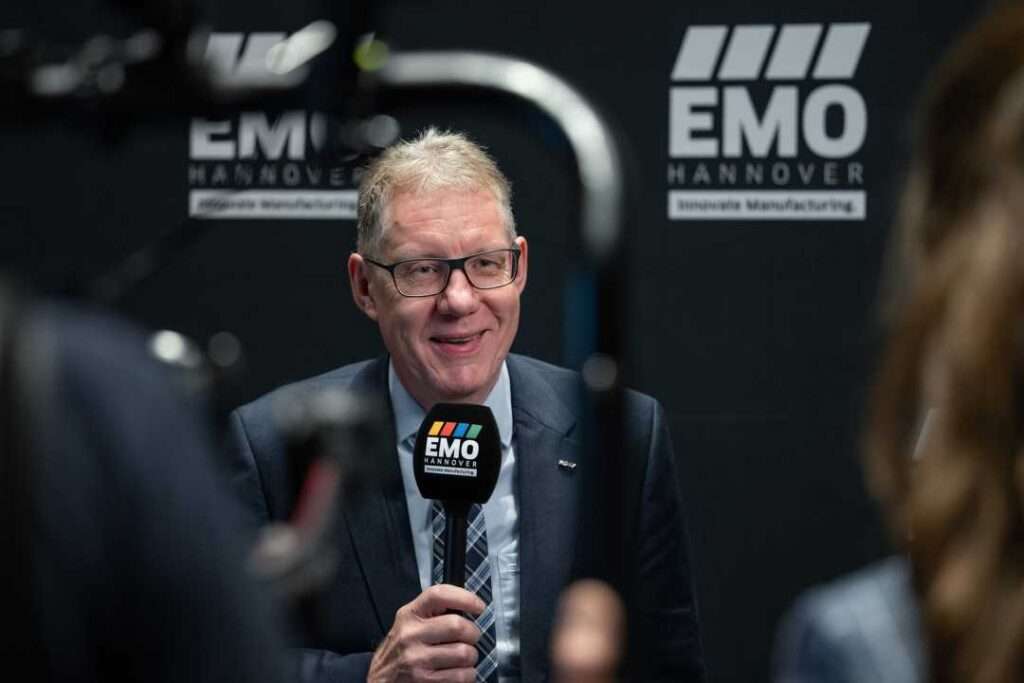
“There’s no shortage of advanced, intelligent solutions on display,” said Carl Martin Welcker, General Commissioner of EMO 2025. “What’s needed now is renewed investment. Many companies have plans ready, but political instability is causing hesitation.”
While investment sentiment remains cautious in Germany, interest is stronger overseas. Nearly two-thirds of international attendees said they plan to invest in the near future—compared to fewer than half of German visitors. This aligns with recent order trends: German machine tool exports rose 6% in the first seven months of 2025, while domestic demand dropped 22%.
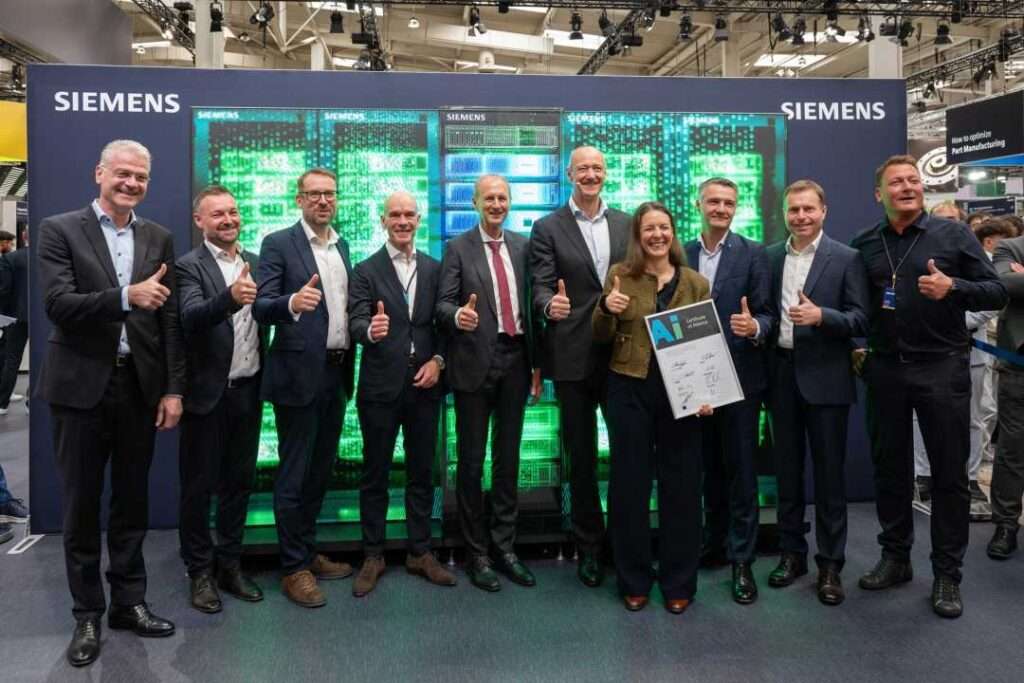
Despite challenges, many exhibitors reported strong sales. Norbert Teeuwen, Managing Director of Okuma Europe, noted: “We had a great response. We even sold three display machines directly from the booth. EMO remains a major event for us.”
Automation Takes Center Stage
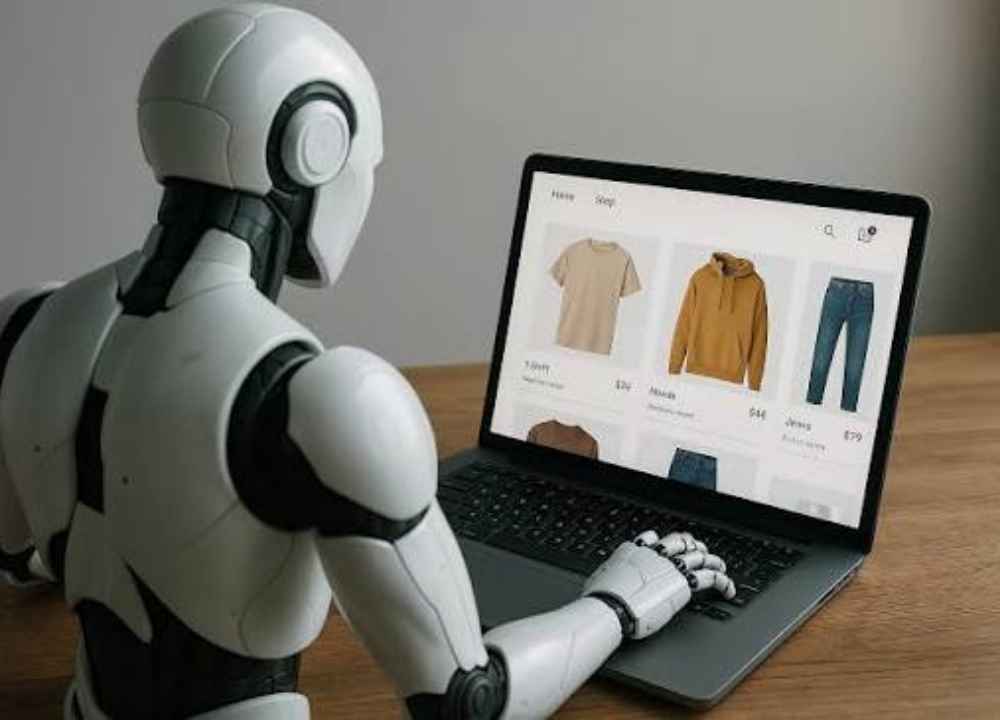
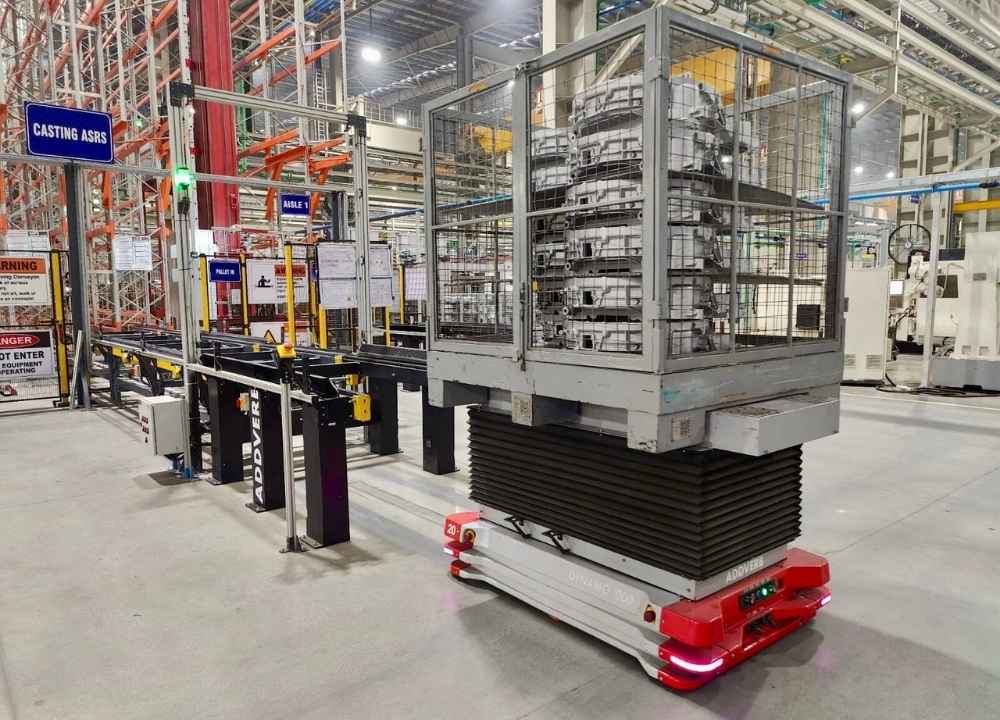
Driven by labor shortages and cost pressures, automation is front and center in the industry. Half of all visitors showed strong interest in boosting productivity through automation. “Automation is everywhere at EMO—it’s going to change everything,” said Aaron Morrill, a CNC technician from the U.S.
Around 140 robotics firms took part, underlining how fast robotics is becoming part of everyday industrial workflows. “We see robots playing a larger role in the machine tool sector. They’ll work alongside humans to deliver optimal results,” said Klaus Winkelmann, CEO of Fanuc Europe.
Focus on Digital Integration and Sustainable Production
Over a third of attendees came specifically to explore digitalization and AI applications. “When we fully use sensor data, we see significant improvements in quality. AI plays a key role in that,” said Jan Otoupakik, CEO of Czech startup 4dot Mechatronics.

This trend was echoed in the popularity of the POP Talks, which focused on real-world AI applications in manufacturing. Overall, the message was clear: smart automation, AI, and digital tools are not just about productivity—they also help reduce resource use and environmental impact.
Professor Berend Denkena from Leibniz University Hannover highlighted energy-saving strategies in production: “By controlling coolant flow more precisely, we can cut pump energy by up to 95% and reduce total energy use by 60%. It’s a significant leap toward more sustainable operations.”
A Key Meeting Point for Global Decision-Makers
EMO once again proved itself as a central meeting point for senior industry figures. Over half of visitors were in top or middle management, with decision-making authority. Satisfaction ratings were high—94% of attendees met their goals, and 98% rated the event positively.

Irene Bader of DMG Mori summed it up: “EMO gave us a chance to showcase where manufacturing is headed. The face-to-face interaction with clients was invaluable.” German Wankmiller, CEO of Grob-Werke, added: “Given the current market climate, we’re pleased. Visitor turnout and the depth of discussions were strong.”
Dr Markus Heering, Executive Director of the VDW (EMO’s organizer), concluded: “Once again, EMO has brought together global leaders in metalworking and tackled the key issues shaping modern production. The event remains the top international platform and trend indicator for our industry.”