Ducon Technologies, a global provider of air pollution control and environmental engineering solutions, has introduced a comprehensive set of technologies aimed at tackling the emerging environmental and health risks associated with high-altitude missile interceptions. While missile defense systems prevent immediate destruction on the ground, Ducon highlights that such interceptions can release hazardous chemical byproducts into the atmosphere. These pollutants, often invisible at first, gradually descend and pose long-term risks to human health and the environment.
According to the company, many long-range missiles rely on volatile liquid propellants such as hydrazine, combined with oxidizers like nitrogen tetroxide. When intercepted, these substances can form toxic compounds, including nitrogen dioxide, a major contributor to air pollution. In the case of solid-fuel systems, the fragmentation of propellant materials releases microscopic particles such as alumina, along with gases like hydrogen chloride, which can contribute to acid rain and respiratory issues.
Ducon also points to the presence of heavy metals—including lead, mercury, and cadmium—in missile components. These elements can vaporize during interception and disperse as fine particulate matter, eventually settling on soil and water sources. Over time, such contamination can enter the food chain and pose serious health concerns, particularly affecting neurological development.
Aron Govil, Chief Executive Officer of Ducon, noted that repeated interception activity in conflict zones is creating a new category of atmospheric pollution. He emphasized the need for proactive measures to monitor and mitigate these risks, especially in densely populated regions.
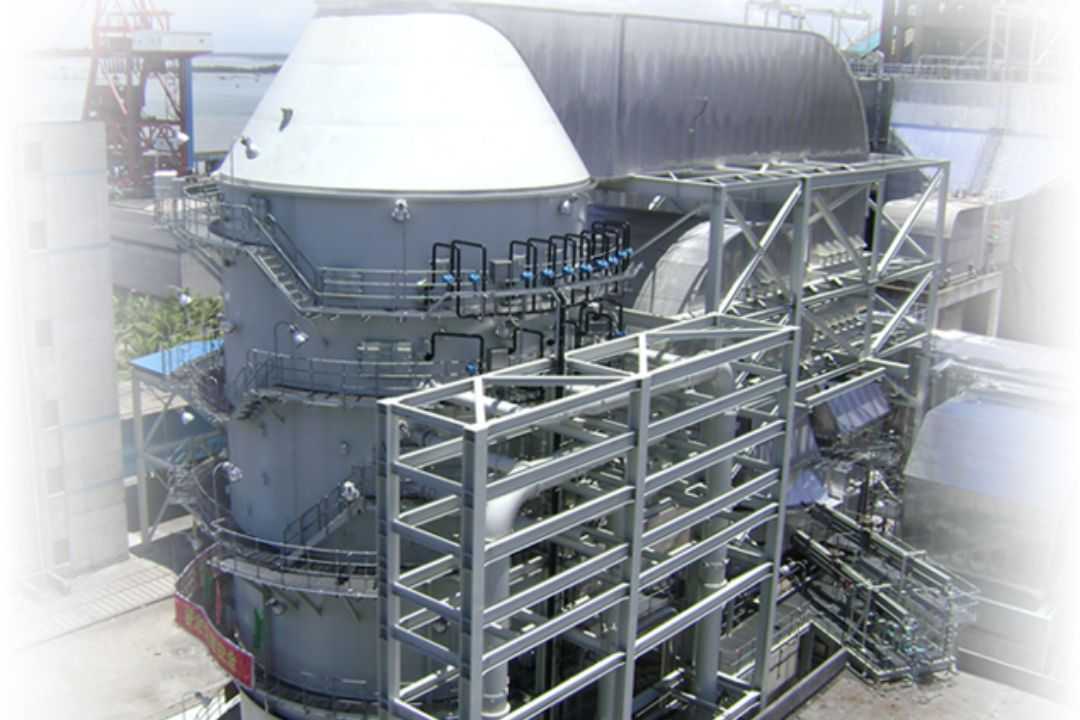
To address these challenges, Ducon has developed a multi-layered solution framework. Its wet scrubber systems are designed to remove a high percentage of harmful gases before they spread across populated areas. In addition, venturi scrubbers and high-temperature filtration systems are engineered to capture ultra-fine particulate matter, including metallic dust and alumina particles.
The company also offers advanced sensor networks capable of identifying specific chemical signatures associated with missile propellants. These systems can support early warning mechanisms, enabling authorities to issue health advisories and implement targeted response strategies.
Ducon advocates for the establishment of continuous air quality monitoring systems in regions exposed to frequent interception events. The company also underscores the importance of long-term environmental assessment and public health tracking to address cumulative exposure risks.
With decades of experience and thousands of installations worldwide, Ducon continues to focus on delivering technologies that improve environmental safety and sustainability. The company aims to collaborate with governments and international agencies to deploy both mobile and fixed solutions in affected areas, helping safeguard communities from the hidden consequences of modern conflict.