The pressure the cost sheet does not show
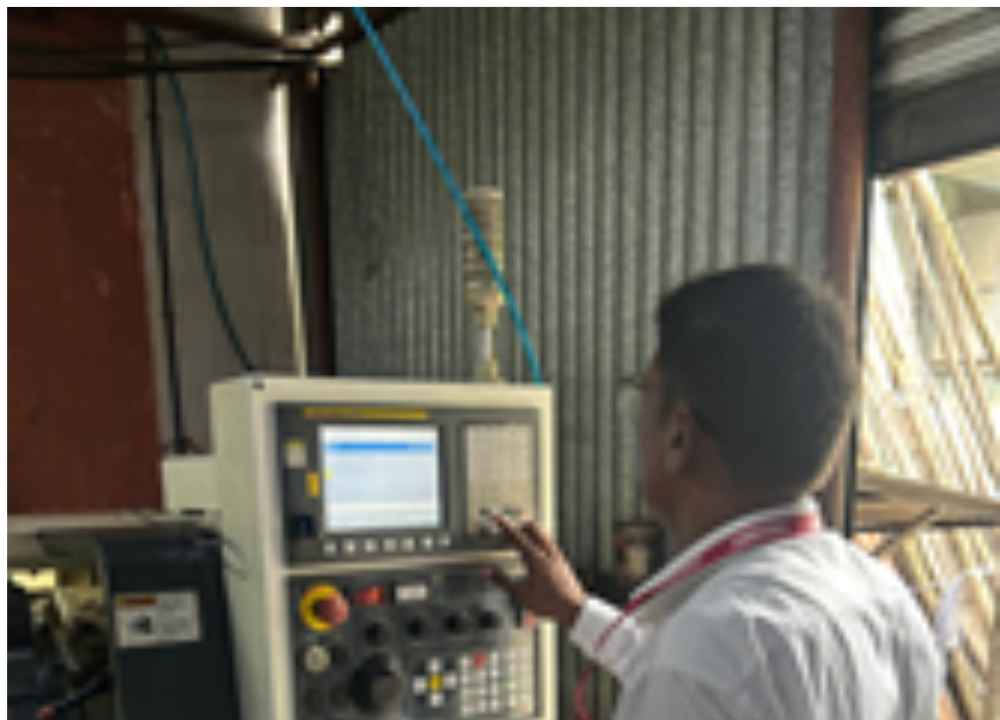
Most of a machining cost sheet is committed long before a job reaches the spindle. The machine hour rate is fixed by the asset, material is priced by the market, labour is contracted. What stays variable sits at the point of cut – which is why the cutting tool, a small share of the cost of a finished component, attracts scrutiny out of all proportion to its price. Consider the second-shift operator who finds a failed edge at an odd hour. The insert saved a little. The stoppage cost a machine hour, a re-setup, a first-off inspection and a component scrapped at near-final stage.
Affordability, without the asterisk
Is affordable the same as cheap? No. The two part company exactly where the arithmetic gets done. A cheap tool lowers the invoice. An affordable, correctly engineered tool lowers the invoice and the cost per component together, and can be shown doing it on the customer’s own part. An inconsistent edge does not remove cost; it relocates it – into changes made mid-batch, offsets corrected on the fly, parts sent back for re-inspection. Affordability, read properly, is an engineering outcome and not a discount.
Lower CPC and CTC
Two numbers settle the argument, and neither of them appears on an invoice. CTC – the cost of tool used per component – is the tooling cost carried by one good part, apportioned through cycle time. CPC – cost per component – is everything that same part costs to make, CTC included. CTC sits inside CPC. A tool that lowers CTC while lengthening the cycle can still raise CPC; a tool costing more per edge, yet holding size for longer, lowers both. Only the second outcome is worth buying.
Increasing tool life
Tool life is usually quoted as a single figure. It is far more useful as a distribution: a grade averaging 400 components but ranging between 250 and 550 forces a planner to set the change interval at 250, and every edge discarded early pushes CTC up while the datasheet figure stays flattering. Consistency is not a quality attribute. It is a cost input. CARBIFORCE, an emerging Indian carbide cutting tool manufacturer, works that side of the problem – grade and geometry matched to the material and the machine, application support at the point of cut. The invitation is not to change suppliers. It is to open the cost sheet and find out what a component genuinely costs to make. Run the tool, count the good parts, divide.