Steel Exchange India Limited (SEIL) has strengthened its balance sheet with another significant debt repayment, taking its cumulative debt reduction to more than ₹86 crore since October 2025. The latest repayment of ₹15 crore towards the company’s term loan facilities marks another milestone in its financial restructuring strategy and reinforces its commitment to improving long-term financial stability.
The repayment accounts for nearly 5.5% of the company’s outstanding debt and follows earlier repayments that included the redemption of ₹43.19 crore in non-convertible debentures (NCDs) along with an additional ₹28 crore reduction in borrowings over recent quarters. Together, these repayments have enabled the company to retire approximately 25% of its long-term debt within a span of eight months.
The company said the deleveraging programme has been supported by healthy operational cash generation and fresh equity inflows, allowing it to accelerate debt reduction while maintaining its growth plans. Management stated that strengthening the capital structure remains a strategic priority as the company seeks to improve financial flexibility, reduce borrowing costs and create a stronger foundation for future expansion.
“Our focus continues to be on disciplined financial management and prudent capital allocation. The steady reduction in debt reflects the strength of our operating performance and our commitment to building a financially resilient business. A healthier balance sheet will improve our ability to invest in future growth opportunities while enhancing overall shareholder value,” the management said.
The reduction in borrowings is expected to lower finance costs in the coming quarters, improve earnings quality and strengthen overall profitability. A leaner debt profile also provides greater financial flexibility to pursue strategic investments and capacity expansion.
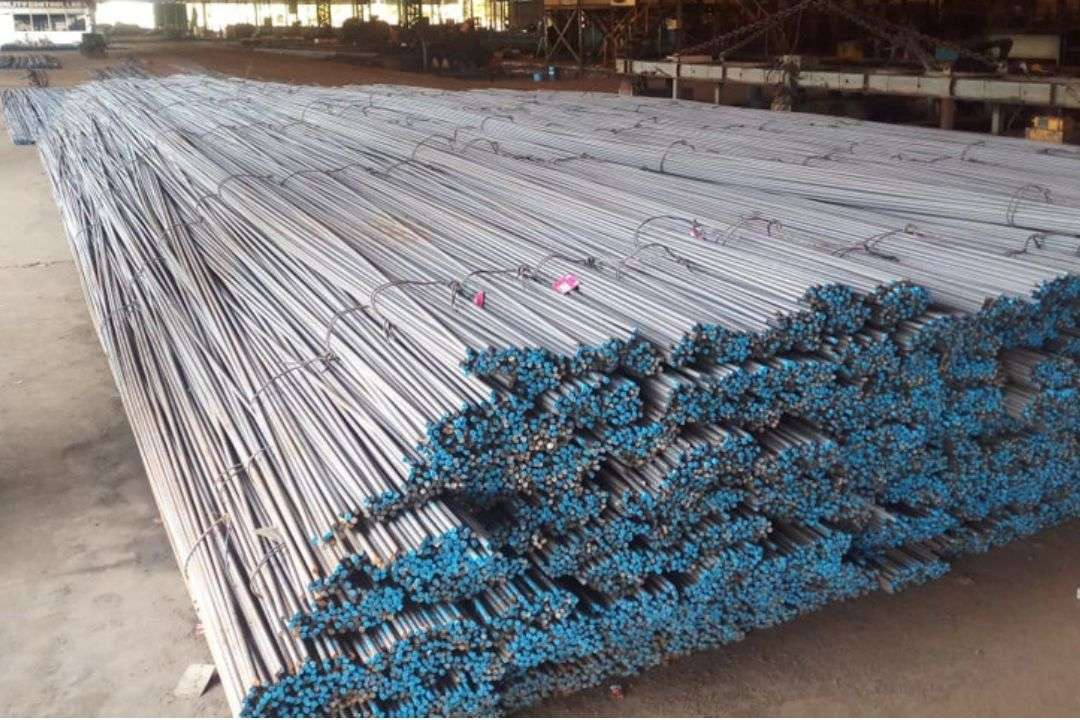
Steel Exchange India has steadily evolved into one of South India’s leading integrated steel manufacturers, producing TMT reinforcement bars under the SIMHADRI TMT brand. Since its establishment in 1999, the company has expanded from a steel trading enterprise into a fully integrated manufacturer with facilities covering sponge iron production, billet manufacturing, rolling mills and captive power generation.
Its integrated manufacturing complex located in Vizianagaram district near Visakhapatnam enables efficient production across the entire value chain while supporting consistent product quality and operational efficiency. The company is also expanding into specialty steel production under the Government of India’s Production Linked Incentive (PLI) Scheme to strengthen domestic manufacturing capabilities and reduce dependence on imports.
For the financial year 2025-26, Steel Exchange India reported total income of ₹1,067 crore, EBITDA of ₹138.03 crore and net profit of ₹27 crore, reflecting continued operational improvement alongside its ongoing efforts to strengthen the company’s financial position. Established in 1999, Steel Exchange India has evolved from a steel trading platform into a fully integrated steel manufacturer with a strong presence in Andhra Pradesh and Telangana.
The company operates an integrated steel plant and power unit in Vizianagaram district, near Visakhapatnam. Its facilities include sponge iron production, billet manufacturing, rolling mills, and captive power generation, enabling end-to-end production of long steel products. The company markets its products under the ‘SIMHADRI TMT’ brand, which has gained recognition for quality and reliability. It has a strong track record of supplying to infrastructure projects and the defence sector, reinforcing its position as a trusted supplier in critical applications.
Aligned with the Government of India’s ‘Atmanirbhar Bharat’ initiative, Steel Exchange India is expanding into specialty steel production under the Production Linked Incentive (PLI) scheme. This move is aimed at reducing dependence on imports and strengthening domestic manufacturing capabilities.