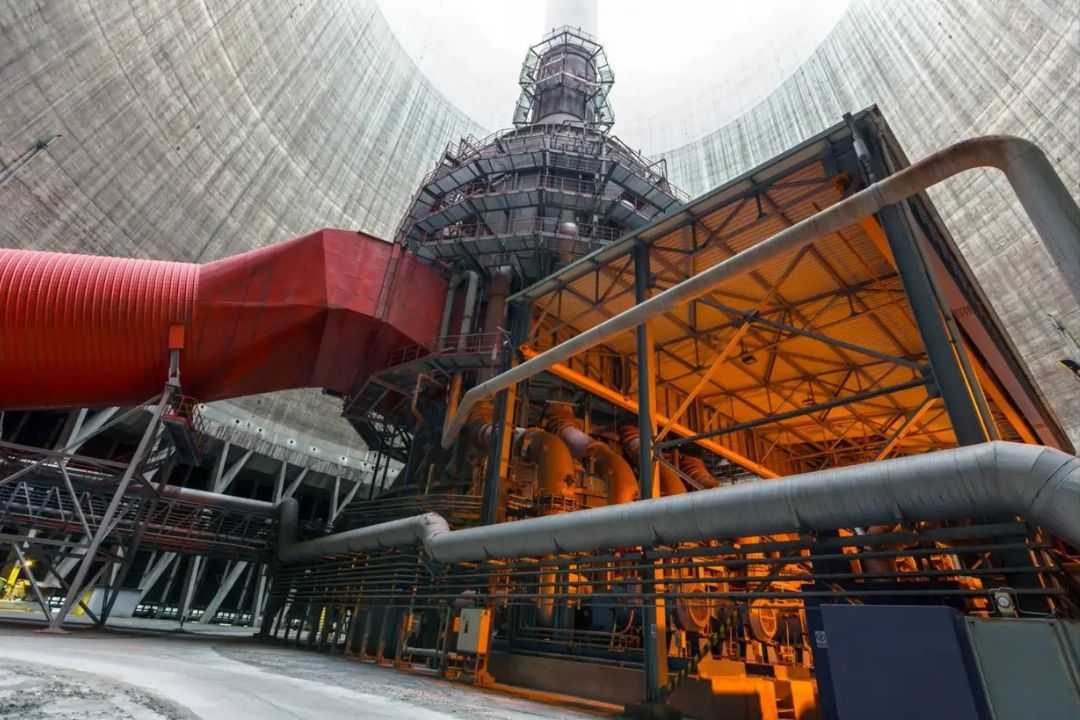
IMI has successfully completed a valve retrofit project at the Wildcat Point energy facility in Maryland, delivering improved operational reliability, reduced equipment wear, and lower maintenance requirements for one of the plant’s critical high-pressure spray water control applications. Wildcat Point, a major natural gas-fired power generation facility, relies on highly efficient steam and cooling systems to maintain stable electricity production. However, one of its spray water valves had been experiencing significant erosion and performance challenges due to demanding operating conditions.
The valve was required to handle flow rates of up to 88,000 pounds per hour while operating under a pressure drop of approximately 1,100 psi. These conditions caused accelerated deterioration of critical valve components, including the trim, spindle, and seat ring. Operational data also revealed unstable flow behavior and performance levels exceeding the valve’s intended capacity.
The resulting wear increased maintenance requirements and affected control precision, creating additional operational costs and downtime concerns for the facility. To address the issue, IMI partnered with the engineering team at Wildcat Point to conduct a detailed assessment of operating conditions and performance requirements. The evaluation included the analysis of nearly 2,000 operating data points, enabling engineers to accurately determine real-world operating ranges and optimize valve sizing and performance parameters.
Based on the findings, IMI implemented an advanced retrofit solution utilizing a 3D-printed disc stack trim design. The technology was engineered to distribute pressure reduction across multiple stages within the valve, significantly reducing fluid velocity at critical wear points and minimizing erosion.
The upgraded design combines the valve seat and trim into a single monolithic component, enhancing durability while simplifying installation and maintenance. Importantly, the retrofit was completed within the existing valve body, eliminating the need for a complete valve replacement and avoiding extensive plant modifications.
Roby Buyung, President of Process Automation at IMI, said the project demonstrates the value of engineering-driven optimization in demanding industrial environments. “Applications involving extreme pressure drops and unstable flow conditions can place tremendous stress on conventional valve designs. By analyzing actual operating conditions and redesigning the trim geometry, we were able to improve flow stability while substantially reducing wear and maintenance requirements,” he said.
Following implementation, inspections confirmed significantly lower erosion rates, improved process control, enhanced operational stability, and reduced maintenance interventions. The successful project highlights how advanced valve engineering and additive manufacturing technologies can help power generation facilities improve reliability, extend equipment life, and optimize operating performance without requiring major infrastructure replacement.