BorgWarner Inc has announced two new conquest program awards in Asia, further strengthening its propulsion and drivetrain business across combustion and hybrid vehicle technologies. The newly secured programs include supply of BorgWarner’s latest-generation wet dual clutch technology for a Chinese automotive manufacturer’s SUV platform and a torsional assist variable cam timing (TA VCT) system for a Japanese automaker’s next-generation hybrid engine programme.
The company said the awards reflect growing customer demand for advanced propulsion technologies capable of delivering improved efficiency, performance, and cost competitiveness in both conventional and hybrid vehicle applications. Commenting on the development, Isabelle McKenzie, Vice President of BorgWarner Inc. and President and General Manager, Drivetrain and Morse Systems, said the latest program wins demonstrate the company’s continued focus on supporting evolving customer requirements across transmission and engine timing technologies.
According to the company, the latest-generation wet dual clutch system developed for the Chinese SUV application integrates advanced wet friction materials with an optimised groove design that helps reduce drag torque, contributing to improved transmission efficiency and enhanced fuel economy. The clutch system is also designed to provide stable friction performance at lower actuation pressure levels, enabling smoother vehicle launch characteristics and refined gear shift quality.
BorgWarner stated that the integration of a newly developed wave spring mechanism improves system robustness while supporting cost optimisation objectives for vehicle manufacturers. Production for the SUV programme is scheduled to commence during the second half of 2026.
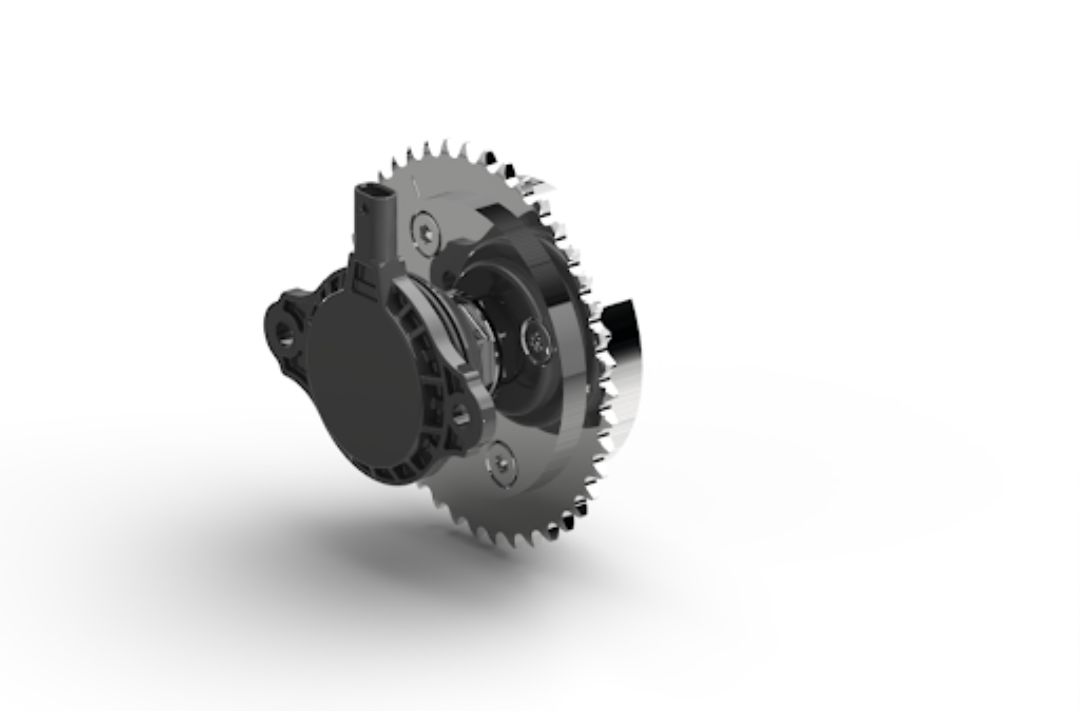
For the Japanese OEM programme, BorgWarner will supply its centre-bolt torsional assist variable cam timing system developed specifically for next-generation hybrid powertrains. Compared with traditional oil-pressure-actuated VCT architectures, the TA VCT system simplifies internal oil passages while improving cam phasing response speed and lock-pin engagement performance.
The company noted that these capabilities are particularly important for hybrid engines that require rapid response, precise control, and higher efficiency under varying operating conditions. Production for the Japanese hybrid engine programme is expected to begin in 2028. BorgWarner stated that it is supporting the customer throughout the entire development process, including concept engineering, system integration, and production implementation as part of the OEM’s broader hybrid powertrain upgrade strategy.
Industry analysts continue to observe strong demand for hybrid technologies across Asian automotive markets as manufacturers balance stricter emissions regulations, fuel efficiency targets, and gradual electrification strategies. BorgWarner has continued expanding its global propulsion portfolio across hybrid, combustion, and electric vehicle technologies through ongoing investments in transmission systems, engine timing solutions, electrified propulsion platforms, and thermal management systems.
The company operates globally across passenger vehicles, commercial vehicles, and industrial mobility applications, supplying technologies aimed at improving vehicle efficiency, performance, and sustainability. With growing investments by Asian automakers in advanced combustion and hybrid platforms, BorgWarner expects continued opportunities for drivetrain and propulsion technologies that deliver improved operational efficiency, reduced emissions, and cost-effective vehicle performance solutions.