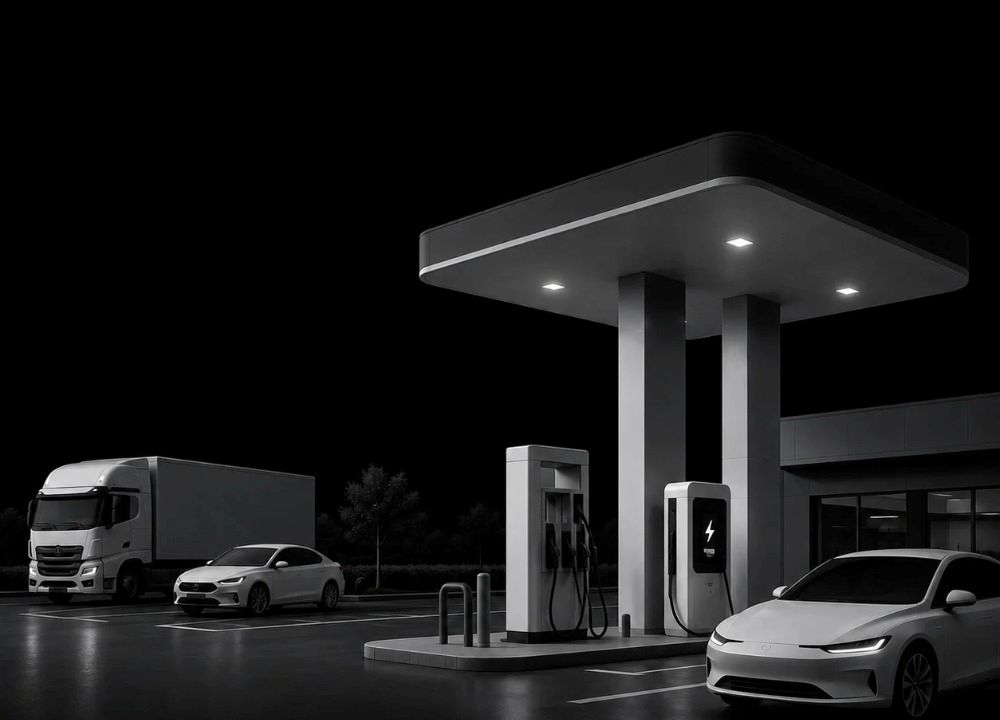
India is entering a new phase of industrial growth driven by clean energy, electric mobility, strategic defence, and electronics. At the centre of this transformation is a component that powers almost every modern innovation – Rare Earth Permanent Magnets (REPMs). These magnets are essential for electric vehicle motors, wind turbines, smartphones, industrial automation, drones, and defence systems. Their relevance will only expand as India increases renewable capacity and deepens domestic manufacturing.
With the announcement of the ₹7,280 crore Rare Earth Magnet Manufacturing Scheme, India aims to build end-to-end capability in extraction, processing, and magnet production. This investment is not only an industrial push, but also a major employment opportunity. If supported by the right skilling approach, it can create large-scale jobs across mining, refining, manufacturing, and allied sectors.
Why Rare Earth Magnets Matter for India’s Growth
Rare earth magnets are the foundation of new-age technologies. They enable lighter, more efficient motors in EVs, power generation in wind turbines, and compact performance in electronics. They are also critical for advanced defence applications that require high-performance magnetic materials.
Global demand is rising as countries move towards clean mobility and electrification. For India, developing domestic REPM capability means reducing import dependence, especially from China. This aligns well with the long-term goals of Viksit Bharat and will improve India’s position in global manufacturing. Realising this potential requires a trained workforce capable of handling precision processes and high-compliance workflows under the Atmanirbhar Bharat framework.
Where the Jobs Will Be Created
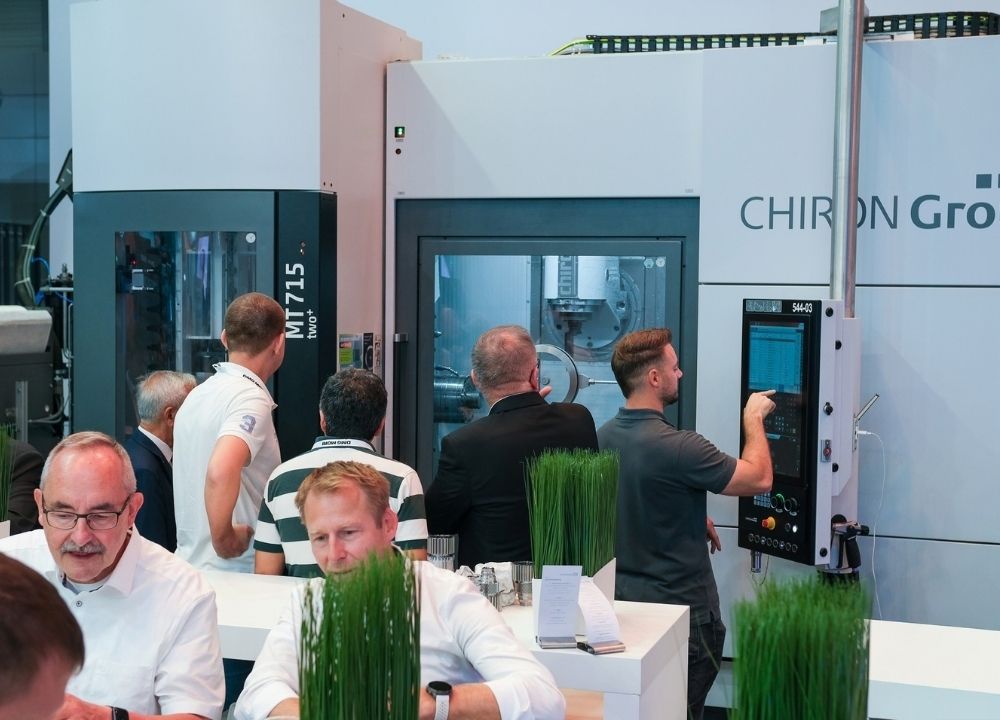
The Rare Earth Magnet Manufacturing Scheme will generate employment across several stages. Mining operations will require drill operators, blasting assistants, geological survey staff, and ore-handling workers who understand extraction processes. Processing and refining plants will employ chemical technicians, plant operators, material testing professionals, and workers skilled in separation and purification. Manufacturing units will need fabrication technicians, CNC and sintering operators, coating workers, and quality control specialists who can handle precision machinery.
This industry will also create demand for research and material development experts, equipment engineers, supply chain professionals, and product design roles. Growth will not be limited to direct manufacturing. Logistics, warehousing, calibration services, repair and maintenance, plant construction, and site infrastructure, like industrial safety and security, which will generate indirect jobs. As magnet capacity expands, secondary industries around tooling, automation equipment, and component manufacturing will scale. A single investment, therefore, triggers a layered employment ecosystem.
Skill Gaps India Must Address
Rare earth magnet production is complex. The industry requires skills that go beyond traditional mining or mechanical training. Workers must be familiar with chemical processing, safety protocols, waste management, cleanliness standards, purity consistency, and advanced machining. India has limited talent trained specifically for these workflows. Many workers currently learn on the job without structured exposure to modern systems, which creates uneven quality and slower productivity.
India must increase its capability across core technical areas such as separation, extraction, sintering, coating, surface finishing, process automation, and metallurgical analysis. Sustainability and environmental compliance must be integrated into training due to the sensitive nature of rare earth material handling. Skilling systems need to move from informal training to formal learning pathways that build readiness at scale.
Why Apprenticeships Must Be Central to Talent Creation
Classroom teaching alone cannot prepare workers for this sector. Manufacturing excellence comes from handling real materials, operating machines, learning workflows, and following quality and safety protocols inside factories and mines. Apprenticeships allow youth to learn while they work. This builds competence with hands-on experience in operational environments instead of simulated training. The earn-while-learning model attracts talent that may not have otherwise considered advanced manufacturing careers.
Employers gain by reducing hiring costs and improving productivity because apprentices become job-ready faster. Retention improves when workers enter through structured learning instead of standalone recruitment. Apprenticeships also give organisations a steady talent pipeline that grows internally and becomes future supervisors, managers, and engineers. Over time this creates self-sustaining talent ecosystems rather than dependency on external hiring.
Collaboration Will Shape Scale and Speed
For the scheme to achieve its full potential, industry, academia, and skill training institutions must work closely. Companies can define clear competency requirements and open apprenticeship seats across units. Training institutions can introduce modules on materials, processing flows, plant safety, and metallurgical science. Practical learning must be prioritised through industry visits, simulation labs, and apprenticeship-linked curricula. Skill labs and pilot plants in mining hubs can expose learners to real operations early so that they develop confidence and workplace fluency before deployment.
When learning pathways are aligned with industry expectations, the supply of talent becomes predictable and scalable. The responsibility of workforce development becomes shared. Growth becomes sustainable.
A New Era for Industrial Employment
The Rare Earth Magnet Manufacturing Scheme is a foundational opportunity for India to become an advanced materials leader. It is more than a manufacturing expansion. It is a chance to create careers, strengthen supply chains, reduce imports, and position the country strategically in electric mobility and renewable energy. A workforce developed through upskilling, reskilling, and apprenticeship-based frameworks can support high-volume magnet production and help India integrate into global supply networks confidently.
Conclusion
The ₹7,280 crore Rare Earth Magnet Manufacturing Scheme marks the beginning of a future where India produces advanced materials instead of only consuming them. For this opportunity to convert into real economic impact, talent creation must progress at the same speed as infrastructure. Apprenticeship-led workforce development will ensure that mines, processing plants, and magnet units do not struggle for skill availability at scale.
Investing in skilled people will determine how far this mission succeeds. If India focuses on talent with the same commitment it gives to plants and machinery, this sector can become a powerful engine of employment, innovation, and industrial capability over the coming decade.