Tata Elxsi, a globally recognized design and technology innovation company, has entered into a strategic collaboration with the University of Illinois Urbana-Champaign and OSF HealthCare to tackle longstanding healthcare access gaps in rural regions of the United States. While digital health solutions have largely focused on metropolitan populations, many rural communities continue to lack essential care access—an issue this partnership intends to reverse.
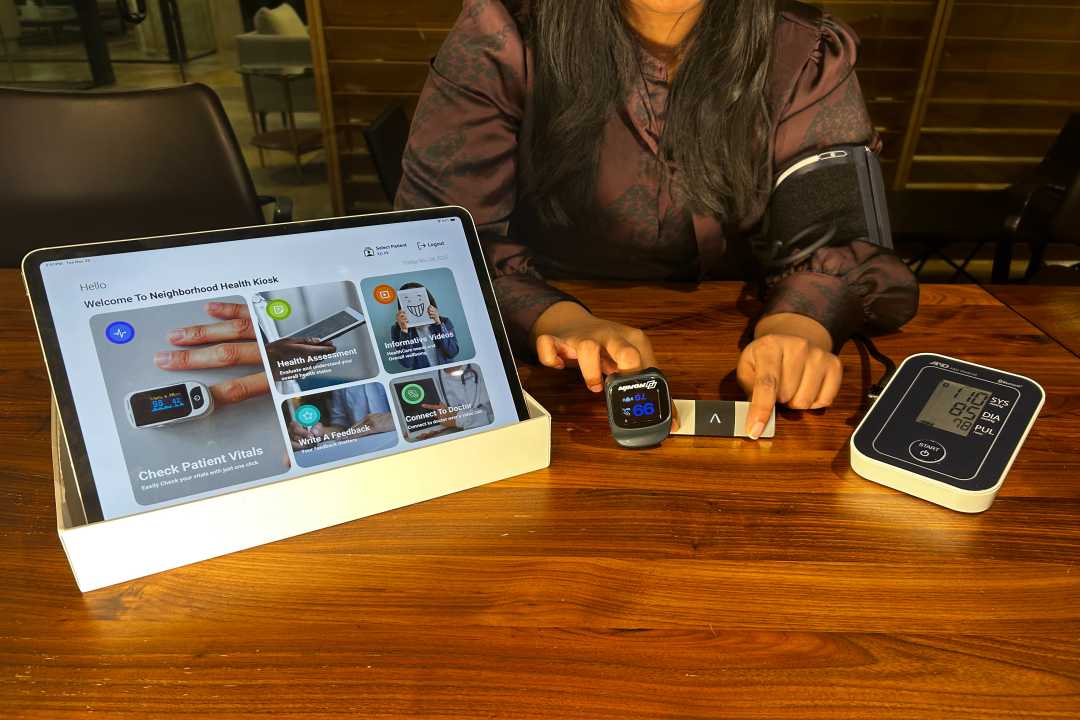
The initiative integrates cutting-edge technology from Tata Elxsi with research-driven insights from the Gies College of Business and the Carle Illinois College of Medicine. Leveraging real-time clinical data from OSF HealthCare and funding support from Jump ARCHES, the partnership will introduce digitally equipped healthcare kiosks customized to meet community-specific needs.
These kiosks are being developed to improve care delivery in areas facing significant barriers such as limited physician access, low digital health adoption, unreliable network infrastructure, and sparse population coverage. A comprehensive study led by the Gies College of Business based on OSF HealthCare data confirmed that boosting access to primary and preventive care in rural locations can significantly reduce avoidable emergency department visits.
The initiative is designed to improve care for individuals managing chronic and behavioral health conditions, with a focus on reaching populations that traditionally face access barriers. A core goal is to reduce preventable hospital readmissions by enhancing post-acute care monitoring and ensuring patients receive consistent follow-up support.
In addition, the program seeks to tackle geographical limitations and limited access to medical professionals by expanding digital health availability. It also emphasizes improving health awareness and preventive care participation while providing long-term support for ongoing disease management, contributing to better health outcomes across underserved communities.
A key element of the initiative is Tata Elxsi’s TEngage platform, a digital health system enabling the kiosks to deliver connected, community-based care. Operating on Amazon Web Services (AWS) infrastructure, the platform integrates Internet of Medical Things (IoMT) sensors, telehealth services, Hospital Information System (HIS) connectivity, and secure data exchange. Plans to incorporate IoT-driven remote monitoring are under discussion to further strengthen consistent and proactive care delivery.
Deployment will begin in Illinois and gradually expand across multiple counties over a three-year rollout plan. Each kiosk will evolve based on real-world usage data and community feedback. Advanced features such as predictive analytics for disease trends, real-time epidemic surveillance, cloud-based administration, electronic health record integration, and enhanced telecom connectivity will support scalability and long-term adoption.
Speaking about the collaboration, Sreevatsa Sahasranaman, Senior Vice President & Head of Healthcare Business at Tata Elxsi, noted “This partnership reinforces our mission to make healthcare more equitable and accessible. By pairing our technological capabilities with the University of Illinois’ research expertise, we are creating highly localized digital care models that can make a measurable difference in rural health outcomes.”
Headquartered in Bangalore, Tata Elxsi works across multiple sectors including healthcare, automotive, consumer electronics, telecommunications, and media. The company’s Healthcare and Life Sciences division—certified to ISO 13485 standards—partners with leading medical device manufacturers, pharmaceutical firms, and digital health innovators.
Its portfolio spans medical product engineering, regulatory compliance, and full-cycle product development solutions. The company’s TEcare platform represents a forward-looking step in healthcare transformation, integrating AI/ML, immersive technologies, gamification, and IoMT to deliver clinically validated, digital-first therapies aimed at chronic disease prevention and management.