

Syngene International has announced the extension of its long-standing strategic collaboration with Bristol Myers Squibb (BMS) through 2035, reinforcing a partnership that spans more than two decades. The renewed agreement expands the scope of collaboration across the full drug development continuum, enabling closer integration from early research through to commercial manufacturing.
Under the extended arrangement, Syngene will continue to provide integrated services covering discovery research—including chemistry, biology, and drug metabolism and pharmacokinetics—along with translational sciences, pharmaceutical development, manufacturing, clinical trial support, and data and information technology services. This end-to-end model is designed to enable smooth progression of programs from laboratory research to commercial supply.
The extension represents the next phase of growth in the relationship, underscoring Syngene’s role as a long-term strategic partner supporting Bristol Myers Squibb’s global research and development objectives. The long planning horizon allows both organizations to align investments in infrastructure, talent, and advanced capabilities to support future pipelines.
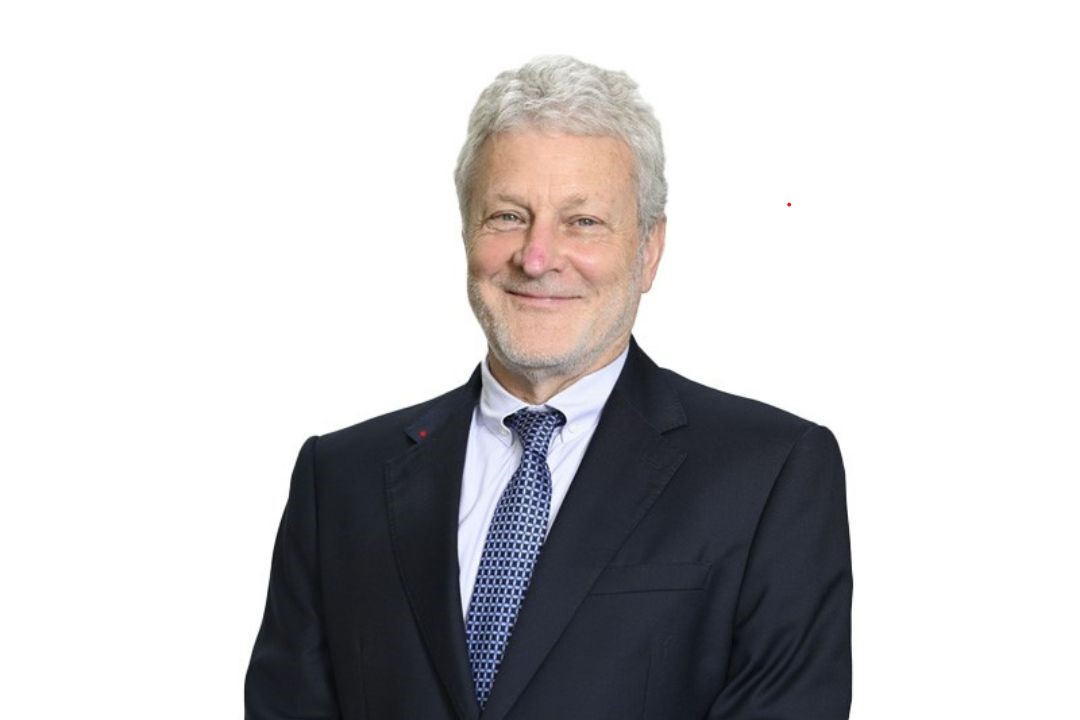
Commenting on the development, Peter Bains, Managing Director and CEO of Syngene International Ltd, said that the collaboration is rooted in scientific rigor, operational consistency, and a shared focus on advancing innovative therapies. He noted that extending the partnership through 2035 enables joint planning over a decade-long horizon, creating strategic value for both organizations while supporting the development of programs aimed at improving patient outcomes worldwide.
Payal Sheth, Senior Vice President, Therapeutic Discovery Sciences at Bristol Myers Squibb, said the partnership has played an important role in advancing the company’s scientific ambitions. She added that the expanded collaboration reflects BMS’s commitment to integrating research, development, and manufacturing capabilities to accelerate the delivery of new medicines for patients globally.
The collaboration began in 1998 and led to the establishment of the Biocon Bristol Myers Squibb Research and Development Center (BBRC), Syngene’s first dedicated R&D facility, which became fully operational in 2009. Over time, BBRC has grown into a major strategic research hub for BMS, supporting work across target identification, lead discovery and optimization, pharmaceutical development, molecular and cell biology, protein sciences, assay biology, and clinical biomarkers.
Today, the center houses around 700 Syngene scientists working as an extension of Bristol Myers Squibb’s global research organization. BBRC has contributed to discovery, preclinical development, and patent filings across therapeutic areas including oncology, immunology, cardiovascular disease, and fibrosis, while helping shorten development timelines and reduce overall costs.









