Shri Keshav Cement & Infra Limited (BSE: 530977), a Karnataka-based manufacturer of cement and producer of solar power, has announced the completion of its large-scale capacity expansion, lifting its total cement production capability to 1 million tonnes per annum. Commercial operations at the upgraded facility commenced on 29 November 2025.
The expansion marks a key milestone in the company’s long-term growth roadmap and reinforces its ability to serve the increasing cement requirements of North and Coastal Karnataka, Goa, Maharashtra, and nearby regions. With demand rising across infrastructure, housing, and commercial construction, the enhanced capacity strengthens the company’s market position and supports its ambition to cater to larger institutional and retail customers.
Chairman Venkatesh Katwa said the achievement represents an important step forward for the business. He noted that expanding to a 1 million TPA capacity boosts the company’s ability to meet regional needs while maintaining its focus on quality, operational efficiency, and wider market reach.
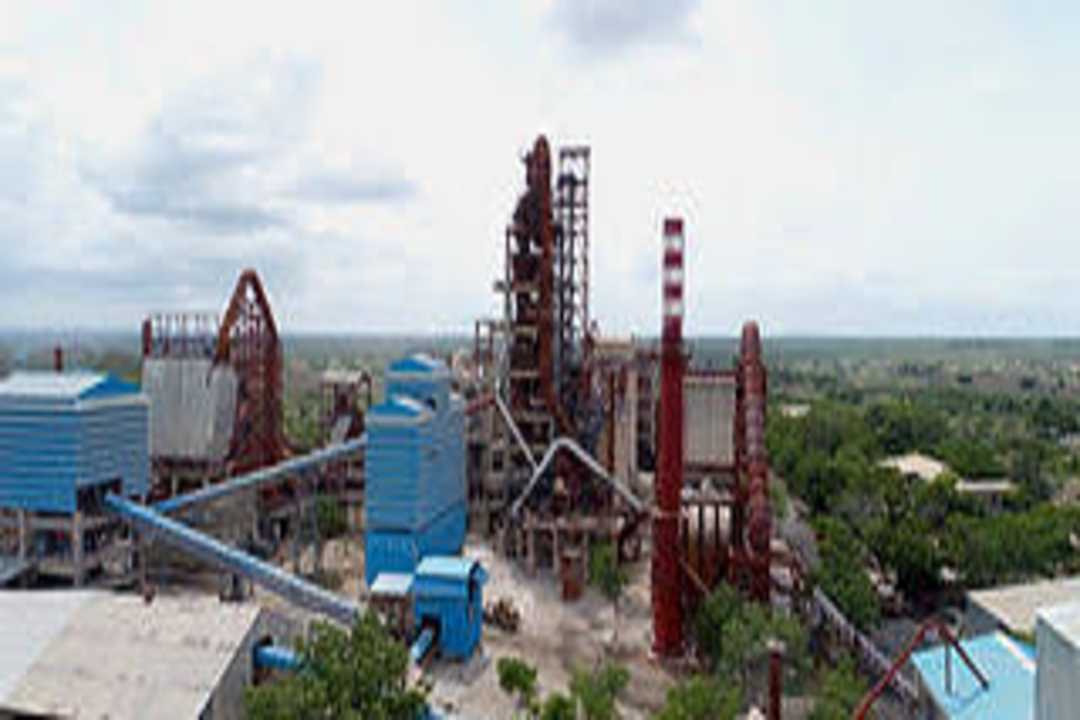
Established in 1993 as Katwa Udyog Limited, Shri Keshav Cement & Infra Limited operates in two primary segments: cement manufacturing and solar power generation. Its cement plants are located in the Bagalkot district of Karnataka, while its solar power facility operates in Koppal. The company produces 43-grade and 53-grade Ordinary Portland Cement and markets it under well-recognized regional brands such as Jyoti Power, Jyoti Gold, and Keshav Cement, the latter being its premium offering.
The company began its journey by acquiring a defunct 20 TPD cement plant in 1994 and steadily increased capacity over the years to 600 TPD, later adding another 300 TPD through acquisition. Today, the company operates two plants: a 300 TPD vertical shaft kiln unit in Kaladgi and an 800 TPD rotary kiln facility in Nagnapur, together totaling 1,100 TPD.
Shri Keshav Cement & Infra has been operating on 100% solar energy since April 2018, a notable achievement in an industry where power costs account for nearly 30% of manufacturing expenditure. Its plants require 14 MW of power, while the company’s two solar plants jointly generate 40 MW, allowing it to sell the surplus 26 MW. For FY25, the company reported total revenues of ₹124.60 crore and an EBITDA of ₹25.17 crore, reflecting steady performance alongside its ongoing capacity enhancement.