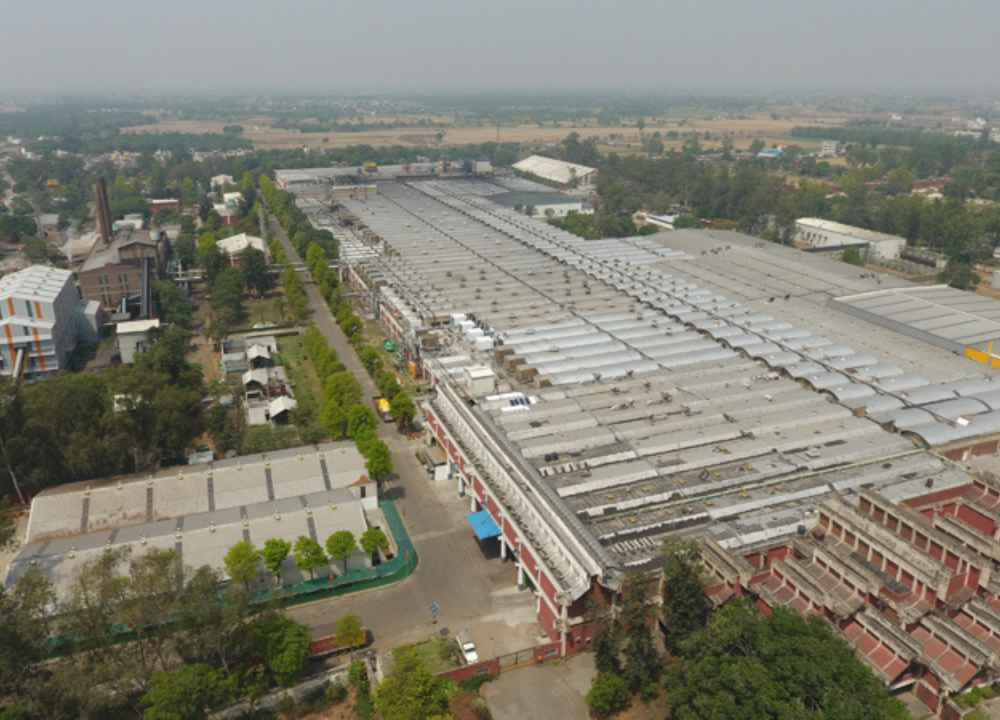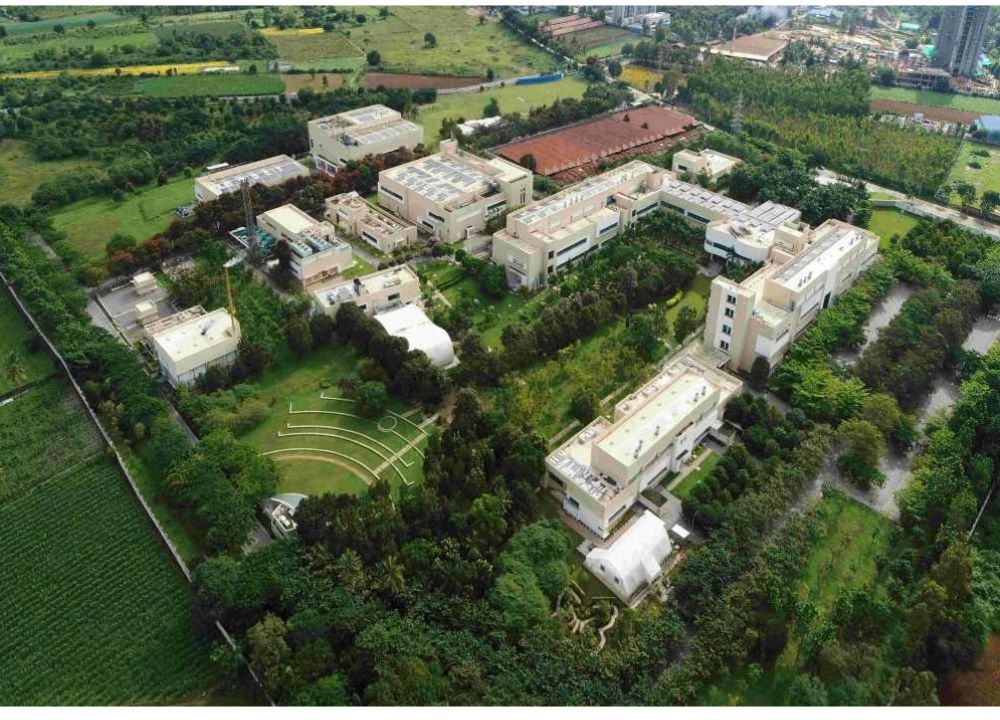
SABIC’s Technology Center in Bengaluru (STC-B), the company’s research and development hub for Asia, is developing advanced materials and agricultural nutrient solutions for applications across automotive, packaging, healthcare, electrical and electronics, and agriculture. Located on a 44-acre campus and employing more than 250 scientists, the centre is part of SABIC’s global network of 20 technology and innovation centres.
Opened in November 2013 with an initial investment of USD 100 million, STC-B conducts research across analytical laboratories, a weathering laboratory, a greenhouse and open agricultural trial fields. Its work focuses on developing solutions suited to Indian operating conditions, with technologies also serving global markets.
In the automotive sector, the centre is developing lightweight thermoplastic solutions for electric mobility. With India recording 2.45 million electric vehicle sales in FY26, according to FADA retail data, SABIC materials are being used as alternatives to heavier metals in battery housings and structural components. A flame-retardant polypropylene cover delivers 40% weight savings in a production plug-in hybrid vehicle, while STC-B is developing a resin-metal hybrid battery protection solution that is approximately 40% lighter than metal. Under the BLUEHERO™ initiative, its scientists also contributed to a battery pack concept using flame-retardant STAMAX™ and LEXAN™ resins for thermal management and crash safety. The centre tests materials for India’s heat and humidity conditions, while under-the-hood solutions are already used by leading Indian automakers.
In flexible packaging, SABIC’s food-contact polymers, compliant with FDA and EU requirements, are used in multilayer films that protect dairy products, cereals, snacks and fresh produce from oxygen, moisture and light. Its polypropylene and polyethylene materials also support recyclable packaging designs, including mono-PE stand-up pouches, through the TRUCIRCLE™ portfolio. These solutions are relevant as India’s Plastic Waste Management Rules introduce higher recycled-content requirements for packaging.
For healthcare, SABIC’s ULTEM™ and LEXAN™ resins are designed to withstand repeated autoclaving, gamma radiation and ethylene oxide sterilisation. Applications include diagnostic equipment, surgical instruments, wearable devices and drug delivery systems. STC-B is also developing SABIC PURECARES™ materials for hygiene products such as diapers, masks and personal protective equipment.
The centre’s electrical and electronics research includes a concept electric vehicle charger made with flame-retardant thermoplastics. The design aims to reduce weight, offer greater design flexibility and provide potential cost savings compared with metal alternatives. STC-B also supports global research on LNP™ ELCRIN™ WF0061BiQ resin, which uses chemical upcycling to convert ocean-bound PET bottles into high-performance PBT. The material offers up to 14% lower carbon footprint and up to 25% lower cumulative energy demand than virgin alternatives.
In agriculture, STC-B develops micronutrient-fortified Urea Plus, bio-enhanced fertilisers and biodegradable controlled-release fertilisers designed to avoid microplastic residue. Formulations are evaluated in laboratories, greenhouses and a one-acre trial field in Bengaluru, using crops such as tomatoes, corn and cabbage. The team is also working with partners on real-time soil, irrigation and weather-sensing technologies to support farmers.
STC-B’s agricultural nutrients team contributed to SABIC’s 2023 Gold Edison Award for low-carbon Blue Urea. Its research addresses the needs of India’s agricultural sector, which employs 43% of the country’s workforce, according to the Periodic Labour Force Survey 2025. The centre is also working towards 100% carbon-neutral operations, supported by rooftop solar power and on-site water and waste recycling.
SABIC is a global diversified chemicals company headquartered in Riyadh, Saudi Arabia, with manufacturing operations across the Americas, Europe, the Middle East and Asia Pacific. It produces chemicals, commodity and high-performance plastics, and agricultural nutrients, serving customers in more than 140 countries. With over 26,000 employees, more than 10,700 patents and a global network of technology and innovation centres, SABIC serves sectors including automotive, healthcare, electrical and electronics, packaging, agriculture, consumer products, and building and construction.