Meta Materials Circular Markets (MMCM) has unveiled India’s first-ever circularity-linked carbon credits, derived from the recycling of End-of-Life Vehicles (ELVs). The initiative is expected to reduce over 2 million tons of CO₂ emissions by the year 2035, marking a significant milestone in India’s climate action efforts.
MMCM’s Circularity-Based Carbon Project, under the internationally recognized Cercarbono standard, presents a pioneering approach to integrating circular economy principles into carbon markets. This project introduces a world-first, verifiable carbon mechanism that links carbon reduction with material recovery, proving that sustainability and carbon offsetting can go hand in hand.
The carbon credits generated are anticipated to see strong global demand, positioning India as a key provider of reliable, circularity-linked carbon assets that address the increasing need for traceable, impactful climate solutions. MMCM has teamed up with over 20 Registered Vehicle Scrapping Facilities (RVSFs) across the country, including top recyclers like Tata Re.Wi.Re and Mahindra CERO. With robust digital monitoring systems and verified circularity data, the project is set to inject ₹1000 crores into the RVSF ecosystem, creating jobs, improving environmental outcomes, and raising awareness about responsible recycling practices.
Unlike traditional carbon offsets, MMCM’s ELV Carbon Credits are grounded in circularity, meaning each emission reduction is paired with tangible material recovery. For every ton of ELV that is responsibly recycled, around 0.6 tons of CO₂ emissions are saved. These savings are backed by more than 40 data points from MMCM’s proprietary digital Monitoring, Reporting, and Verification (dMRV) system, ensuring precision, transparency, and traceability.
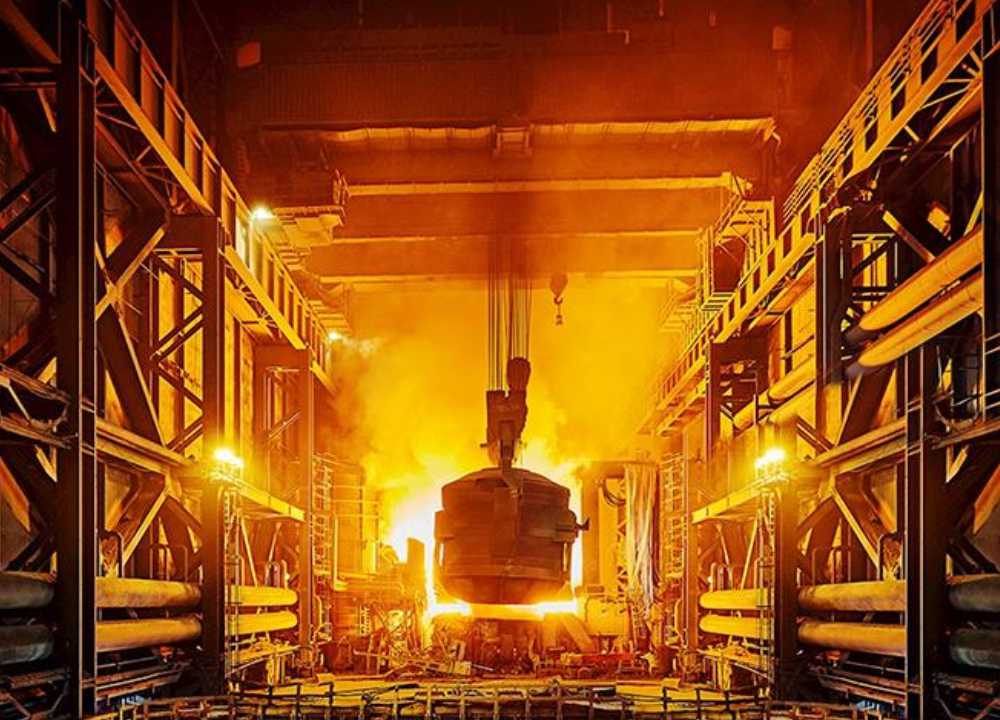
In addition to avoiding emissions, these credits capture valuable materials like steel, aluminum, and plastics, which are reintroduced into manufacturing processes. For businesses, this provides a dual advantage: credible Scope 3 emissions reductions and the development of low-carbon supply chains powered by recycled materials.
Nitin Chitkara, CEO of MMCM, celebrated the launch, saying “Circularity-linked carbon credits introduce a new era where India can decarbonize and generate value from recycling. This initiative not only contributes to India’s net-zero goals but also strengthens industrial ecosystems through sustainable resource recovery. As COP30 approaches, India is ready to lead in carbon innovation with global impact.”
Yashodhan Ramteke, Head of the Carbon Business Unit at MMCM, echoed this sentiment “By quantifying and trading carbon credits tied to ELV recycling, we are demonstrating how emissions savings and circularity can coexist. This sets the stage for India to emerge as a global leader in next-generation carbon finance.”
This groundbreaking initiative transforms automotive waste into an economic opportunity for India Inc., while embedding circularity into carbon markets. MMCM is driving India’s progress toward a circular economy, resilient industrial supply chains, and a more sustainable future on the road to Net Zero.
Meta Materials Circular Markets (MMCM) is at the forefront of circular economy solutions in India, enabling data-driven sustainability within the automotive sector. Through the integration of carbon credits, Extended Producer Responsibility (EPR) frameworks, and digital MRV systems, MMCM is accelerating India’s transition to cleaner, circular mobility and sustainable material recovery.