

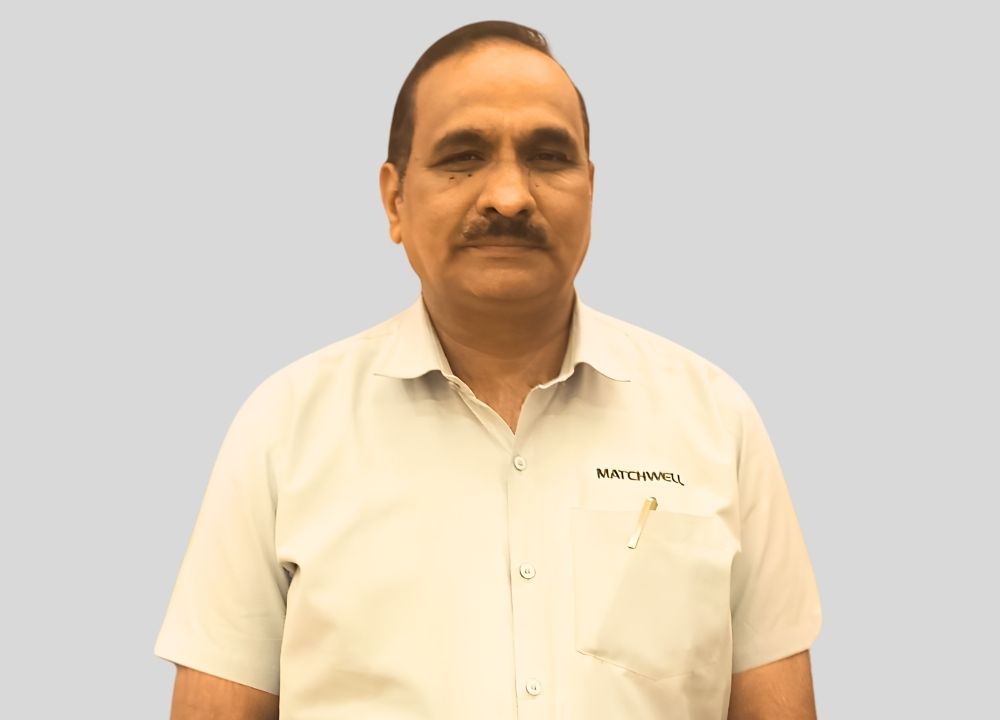
From a business established around fuel lines in 1987 to a manufacturing company with a ₹400 crore scale today, Matchwell’s journey reflects a steady expansion across sectors and markets. Speaking about this growth, Ranjit Patil and Anand Patil shared insights into the company’s transformation, its growing export focus and the changing requirements facing Indian manufacturers.
Established by M G Tandon, Matchwell operates across manufacturing segments including mining, construction equipment, the power sector and related equipment supplies. The company, which was around ₹2 crore a decade ago, has now grown to approximately ₹400 crore. The next ambition is considerably larger, with a target of reaching ₹3,000 crore in the coming years. Exports are also becoming a greater area of focus, with 2027–28 expected to be an important period for international business.
For Ranjit Patil, customer confidence has remained central to this journey. Understanding customer requirements, maintaining delivery commitments, and ensuring quality have been key priorities. He also highlighted diversification as an important part of the company’s approach, allowing Matchwell to work across different sectors rather than depend on a single market.
This strategy is now extending further into global markets. Matchwell is increasing its export activities while continuing to support localisation under the Make in India direction. The company is already exporting critical components to the US and UK, including supplies for customers such as Caterpillar and Cummins. The development comes at a time when global supply chains are increasingly exploring the China Plus One approach, creating opportunities for Indian manufacturers.
At the same time, global competition is putting pressure on manufacturing margins. Patil identified thinner profitability, skilled manpower availability and raw-material costs among the key challenges for the sector. Steel pricing is a particular concern, with Indian manufacturers facing difficulties in matching the material costs available to competitors in countries such as China, Vietnam and Mexico.
Addressing these challenges, he emphasised the need for manufacturers to rethink processes, workplace culture, and their approach to technology. Automation and artificial intelligence are becoming increasingly relevant to manufacturing operations, while Matchwell is also looking at greater use of robotics to address manpower-related challenges and improve production capabilities.
The conversation also highlighted the broader opportunity for Indian manufacturing. Moving into global markets will require companies to learn from international practices, adopt new technologies, and develop a wider perspective on competitiveness. For Matchwell, this means balancing domestic and export markets while continuing to diversify its business and localise critical requirements.
The journey from ₹2 crore to ₹400 crore has set the stage for Matchwell’s next phase. With a growing international focus and greater attention on diversification, localisation and technology adoption, the company is looking towards expanding its presence across India’s manufacturing ecosystem and global supply chains.








